Getting Low-E Glass Preheating Right (Especially When It’s Wide)
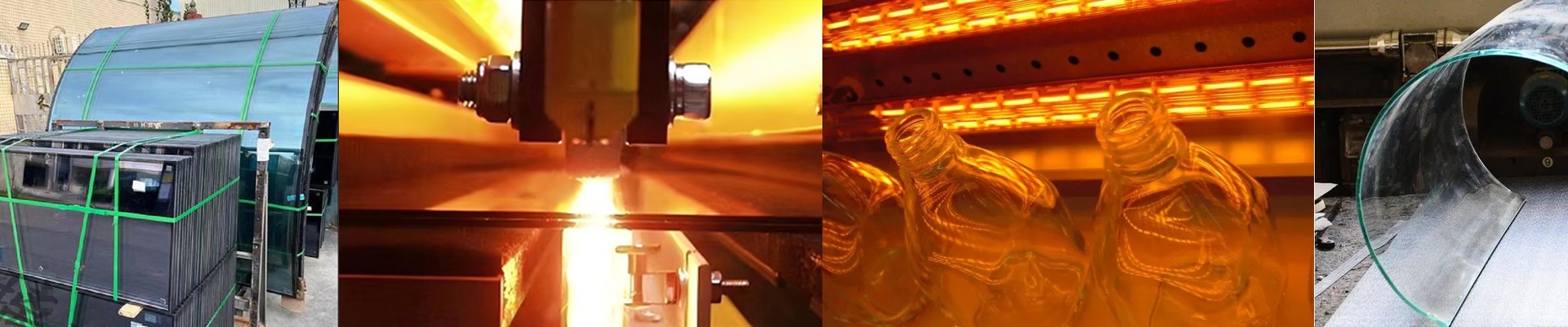
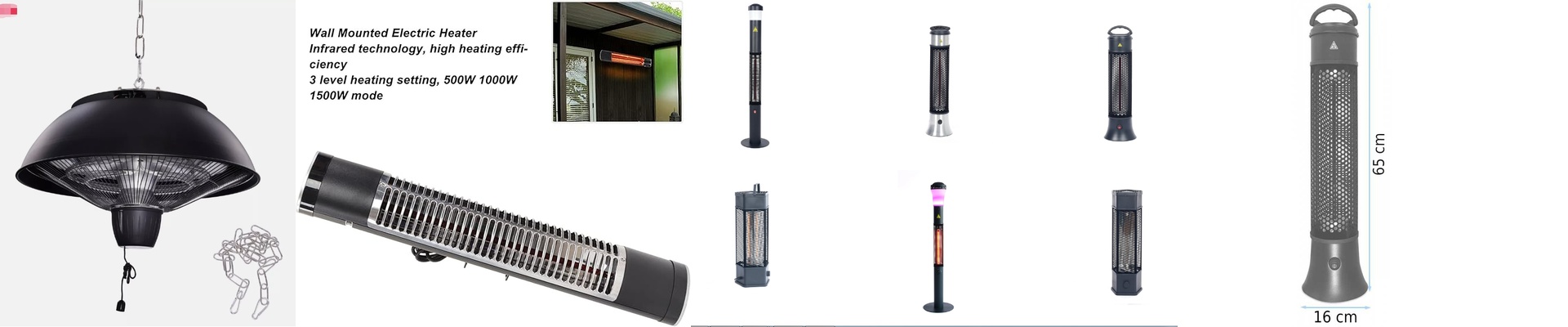
If you’re working with wide-format Low-E glass, you know the struggle. You need the heat to be perfectly even across the whole surface. If one spot is colder than the rest, you’re looking at coating defects, and that’s just wasted money. Once your production line hits that 3-meter mark, standard off-the-shelf lamps just stop working. They aren’t built for it. That’s why we build custom infrared heating units—specifically designed to handle those massive footprints without breaking a sweat. The struggle with length and power Here is the thing: when you stretch a heating element past 3 meters, physics starts fighting you. You deal with voltage drops and “thermal sagging.” We don’t guess on this. We calculate the exact wattage per millimeter so the edges of your glass get the same heat as the center. We use high-grade quartz envelopes because they can actually handle the physical stress of being that long. But you can’t just crank up the power. If we shove too many watts into one long tube, the center will just burn out. To stop that, we usually split the load across several parallel circuits. It keeps the electrical draw stable and your equipment alive. The nitty-gritty on materials For Low-E work, we stick to short-wave or medium-wave emitters. They hit the glass faster than traditional convection. We also use heavy-wall quartz. Why? Because a 3-meter tube wants to bow under its own weight. We can’t have that. Plus, we use connectors built for high-current loads, so you don’t have to worry about terminals melting when things get hot. Making it work in your shop We design these as drop-in replacements. You shouldn’t have to tear down your entire line just to swap a lamp. We build the frames to make that process quick and painless. One heads-up, though: pushing this much heat across a 3-meter span creates a lot of ambient warmth. A lot. Make sure your cooling fans and exhaust systems are up to the task. If they aren’t, you’ll end up cooking your own control electronics. And please, double-check your alignment. If those lamps aren’t perfectly parallel to the glass, you’ll get hot spots. And hot spots ruin coatings. Simple as that.