Stop Fighting Your Voltage When Stressing Glass
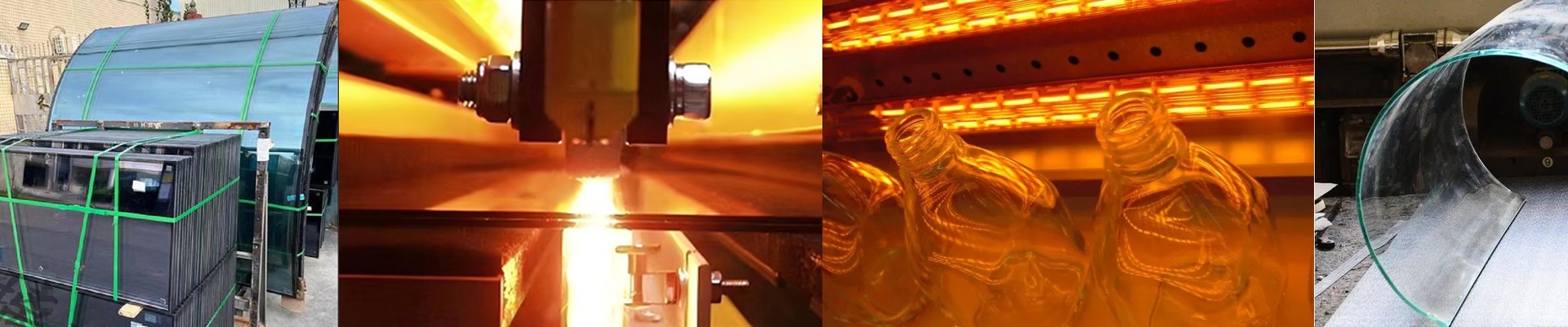
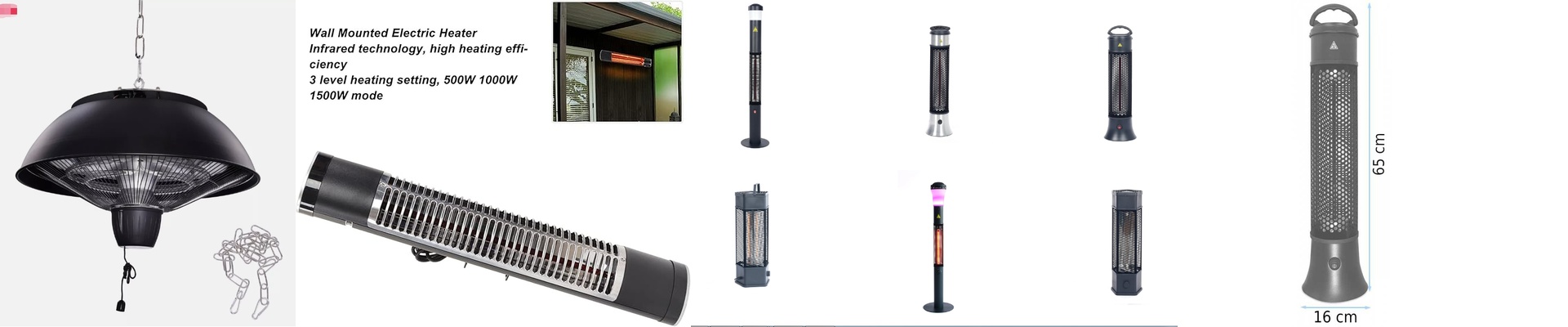
Getting glass annealing and stress relief right is all about the heat. But if you’ve ever moved equipment across a border or tried to plug new lamps into an old line, you know the real headache isn’t the glass—it’s the power grid. Most people just slap in a bulky step-down transformer to make things work. But those things are eyesores. They eat up your floor space and kill your efficiency. That’s why we build our infrared lamps to match your specific setup—whether that’s 110V, 480V, or 575V. No awkward workarounds. Just plug in and go.
Why the numbers actually matter
Here’s the thing: voltage isn’t just a technicality. It controls how much heat you’re actually pushing into the glass. Take a 575V lamp. It lets you run higher wattage over a longer tube without tripping every breaker in the building. But you have to be careful. If you accidentally run a 110V lamp on a higher voltage? It’ll pop in seconds. On the flip side, if your voltage is too low, you’ll never hit that critical soak temperature. And that’s when the nightmare starts—internal stresses stay trapped, and your product cracks.
Built for where you actually work
We don’t believe in “one size fits all.” If your shop runs on North American 480V 3-phase or those heavy-duty 575V industrial systems, we’ve got you. We wind the filaments to hit the exact wattage you need. Plus, we use high-purity quartz. It helps that shortwave radiation punch through the glass surface fast, so you aren’t waiting around.
The catch: Heat vs. Air
High voltage and high wattage are great for fast cycle times. It’s powerful. It’s efficient. But there’s a trade-off. The more energy you pump out, the more heat bleeds back into the lamp housing. If your cooling fans and vents aren’t up to the task, you’re going to start smelling melted connectors and scorched wiring. We make sure the lamp matches your voltage, and the voltage matches your grid. You get the heat you need to get the job done, and your fuses stay right where they belong.