
Getting Your Voltage Right with Twin Tube IR Heating
Twin tube infrared lamps are a clever bit of engineering. By packing two heating elements into one quartz tube, you get way more power in a much smaller space. It’s a great way to crank up the heat without having to rebuild your entire heater bank. But here’s the thing: when we build these for clients around the world, the heat isn’t actually the hard part. The real headache is the voltage.
The Global Voltage Puzzle
Most lamps you find on a shelf are built for 230V. That’s fine for some, but if you’re setting up a shop in North America or Canada, you’re probably looking at 110V, 480V, or 575V. If you get this wrong, you’re in trouble. You’ll either fry the lamp instantly or find out it just won’t get hot enough to actually do the job. To fix this, we tweak the filament resistance to match whatever power you’ve got coming out of the wall. There is a bit of a trade-off here. A 480V tube draws less current than a 110V tube with the same wattage. That’s a win for your control panels because you can use thinner wiring. Just keep in mind that you’ll need to be a bit more careful with your voltage regulation so you don’t spike the filaments.
Making it Fit (and Keeping it Cool)
We use quartz glass because it lets shortwave radiation hit your target material fast. To keep things simple, we use R7s or Sk15 connectors. They click right in, so you can usually swap these into your old housings without any drama. One warning, though: these high-wattage tubes getintense. You can’t just plug them in and walk away. You need to make sure your cooling fans and heat sinks are actually up to the task. If the airflow is lazy and the ends of the tubes overheat, the quartz will crack or the seals will pop. Not a fun way to spend a Tuesday.
Why This Matters in the Real World
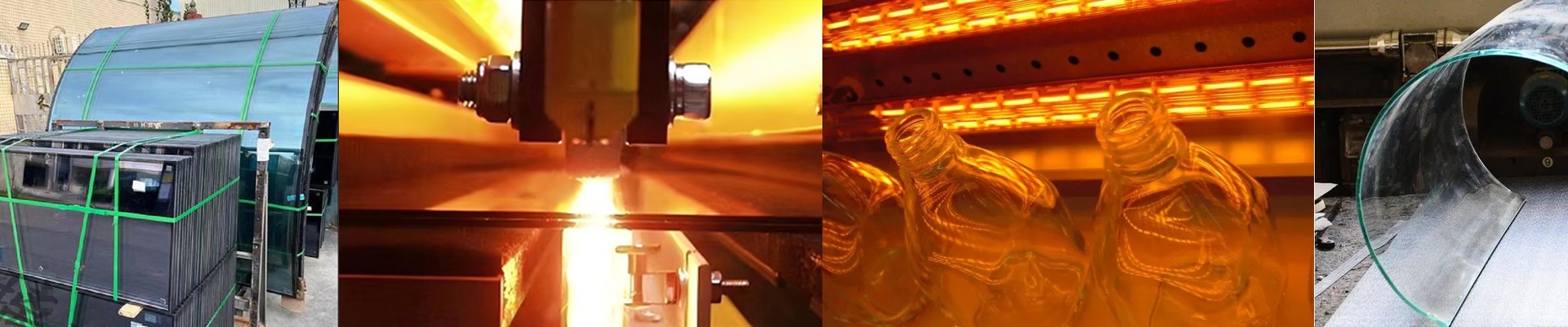
You’ll see these lamps all over PET blowing and high-speed curing lines. The goal is consistency. By dialing in the voltage and wattage, we make sure the heat feels exactly the same whether your machine is sitting in a plant in Ohio or a facility in Germany. Same thermal profile, no matter where in the world you are.