

Why even heat is the secret to a flawless glass coating
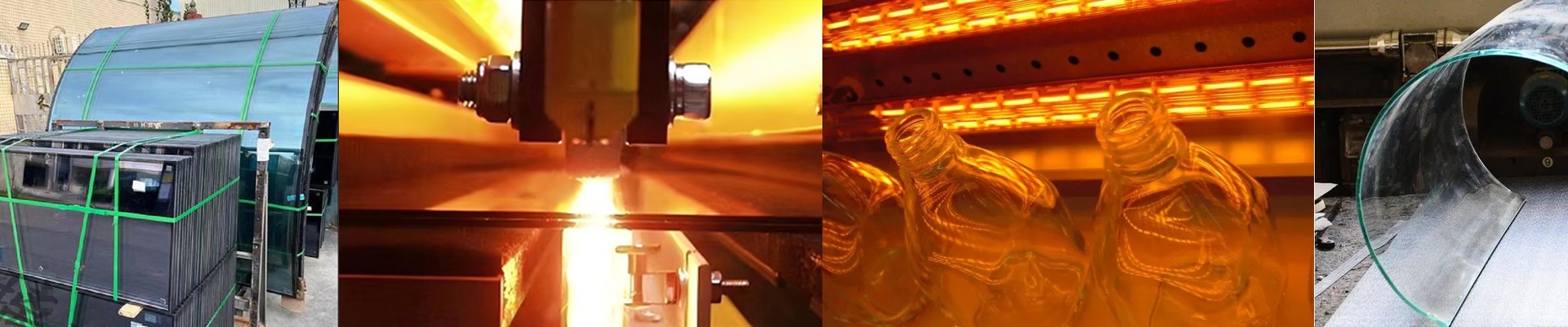
Ever watched a glass paint or mirror coating cure fast, only to fall apart just as quickly? It’s frustrating. You see it on the line—streaks, a cloudy haze, and the coating just won’t stick. Usually, the problem isn’t the coating itself. It’s the heat. Specifically, an infrared heater that can’t keep the temperature steady across the whole surface. So we built our infrared heater for glass paint around a shortwave halogen tube. It’s all about delivering that even, solid radiation so the coating cures consistently every single time. The goal is straightforward: get to the right temperature fast, hold it perfectly, and do it all over again, cycle after cycle.
The numbers that actually matter on the floor
These heaters are built for the real world—the factory floor, not a lab bench. A typical unit runs on 400V and pulls 2500W through a 300mm tube. What does that mean for you? You get a ton of heat packed into a small space. That means you can cure quickly without needing a giant, bulky setup. The 300mm length keeps the heat focused right where you need it. Less stray radiation means you’re not accidentally cooking the parts next door. And the 400V input keeps the current lower for the same power, which is easier on your wiring and keeps things tidy inside a tight machine. But here’s the catch: that 2500W output puts out serious heat. You need proper cooling. Seriously. Your enclosure and airflow have to be up to the task, or your controls will burn out fast.
What’s inside: the simple, tough design
At the heart of it is a shortwave halogen element, sealed inside a quartz tube. The halogen chemistry is what keeps the filament stable, even after thousands of on-off cycles. The output stays consistent, hour after hour. And the quartz? It handles the rapid temperature changes without cracking. We also put a reflective coating on the tube to push more energy forward. Less wasted heat to the sides means a more uniform temperature across the glass. That’s how you avoid those annoying streaks and hot spots. And the R7s connector? It’s just a smart, practical choice. It gives you a solid, two-end mount that lines the tube up perfectly in the reflector. It handles the high heat without getting soft. And installing it is a breeze—just drop it in. No custom brackets needed.
What you get on the line: consistent, clean results
On a glass paint or mirror coating line, this setup gives you a cure profile you can count on. The shortwave response hits the target temperature fast, so you can keep up with your line speed without overheating the glass. The controlled radiation field evens out the heat from edge to center, which is exactly what stops the streaking and uneven gloss that happen when the heat is off. For the people running the line, it means fewer rejects, a stable cure every time, and a heater that keeps its head under pressure. Spec it as a direct replacement, wire it up, and set the controls. Then watch it hit the same mark, shift after shift.