Stop Wasting Power on Your Glass Annealing
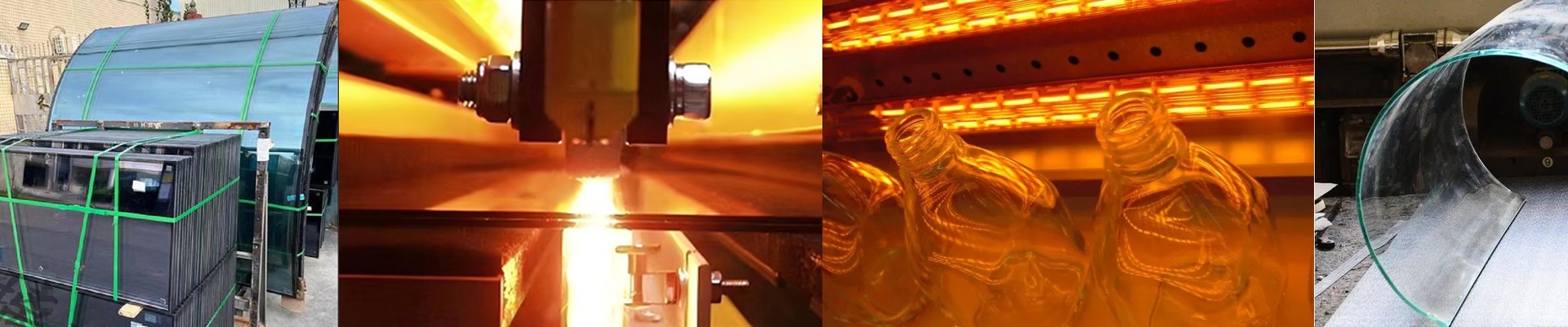
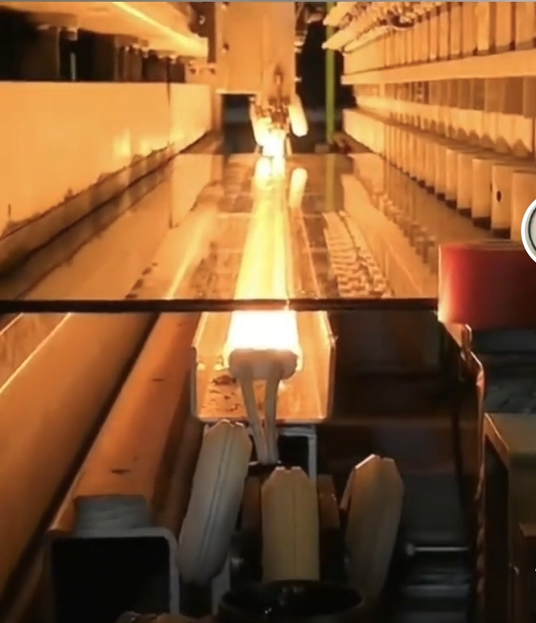
Let’s be honest: the annealing stage in spectacle glass production is usually an energy hog. Most ovens just blast the air, and you end up paying to heat the entire room instead of the actual glass. We decided to fix that. Our infrared lamps target the glass substrate directly. No more heating the air just to get the glass warm. It’s a simple shift from convection to radiation, but your electricity bill will definitely notice the difference.
The Nitty-Gritty on Heat
We’ve designed these lamps to pack a lot of punch into a small space. By concentrating the power into a narrow quartz tube, we get that intense heat needed to kill internal stresses in the glass without turning the whole chamber into a sauna. Depending on how deep you need that heat to sink into the lens, you can go with shortwave or medium-wave. If you need to get up to temperature fast, the high-wattage setups are your best bet. **One quick heads-up, though:**high-density heat is tough on your gear. Double-check that your contactors can handle the peak current. You don’t want to deal with a burnout mid-shift.
Built to Last (and Fit)
These lamps use high-purity quartz glass because they have to survive being turned on and off constantly. Inside, there’s a halogen cycle that keeps the filament from evaporating, which means you aren’t replacing bulbs every other week. We also add specific coatings to the glass. Why? Because we want the energy to hit the lens, not bounce off it like a mirror. And don’t worry about the installation. We use standard R7s or Sk15 connectors. They’re basically drop-in replacements for most industrial rigs, so you can get them wired up and running without a headache.
What This Actually Does for Your Day
Once you switch to IR, your heating zone shrinks. Everything becomes tighter. The best part? These lamps react instantly. When you change the power, the temperature changes now. You stop that annoying “overshoot” where the glass gets too hot because the oven couldn’t cool down fast enough. It’s smoother. It’s faster. And your cooling fans won’t have to work nearly as hard.