Getting Glass Annealing Right (Without the Heartbreak)
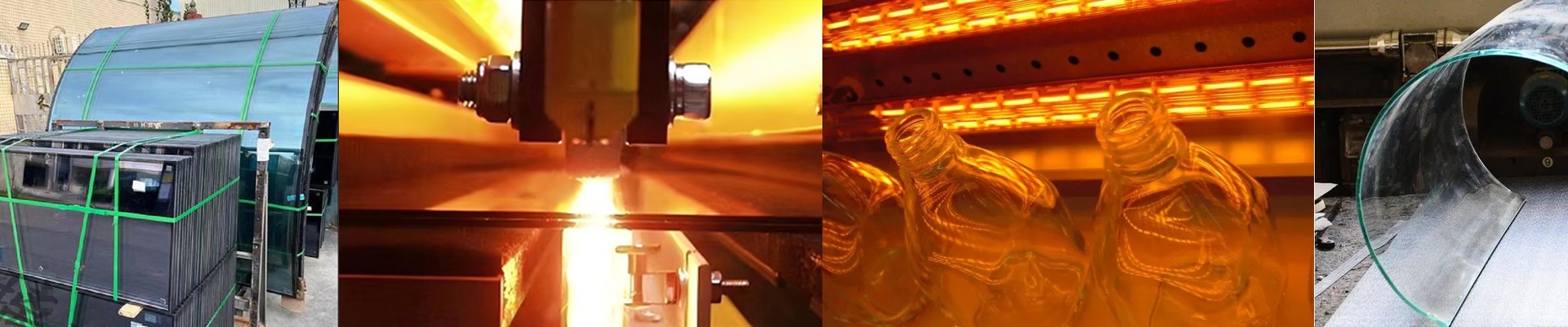
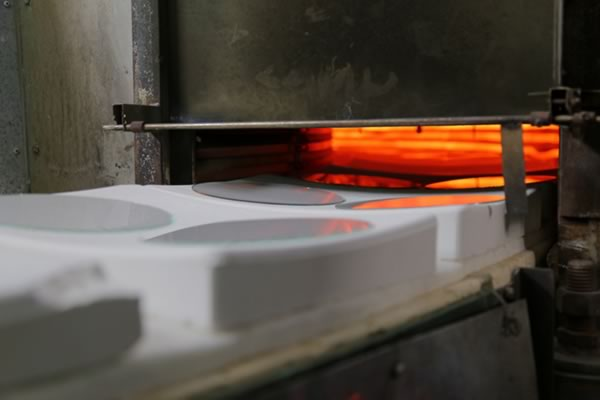
When you’re working with lab-grade glass, there’s a very thin line between a perfect vessel and a pile of expensive shards. It usually happens because of internal stress. During the forming process, the glass gets tense. If you let it cool too fast—or even just a little bit unevenly—it snaps. That’s where we bring in high-precision infrared (IR) elements to handle the heavy lifting.
Why we obsess over 0.1°C
Glass has a “sweet spot”—the annealing point. It’s that magic temperature where the internal stress just lets go, but the glass doesn’t lose its shape. If your heater swings by even a few degrees, you’re basically freezing that stress right into the material. We push our IR elements to stay within 0.1°C because we want that glass bead or vessel to sit exactly where it needs to be. No guessing. Standard resistive heaters are just too sluggish. They have this annoying thermal lag. IR is different; it hits the glass directly. When you pair that with a tight PID loop, the temperature stops drifting. No drift means no thermal shock, and no more spontaneous failures in the middle of your lab work.
The trick to heat distribution
We use short-wave infrared emitters because they actually sink deep into the glass. It’s not just about warming the surface; we’re heating the whole volume of the piece. We spend a lot of time designing the heater array to kill off cold spots. Think about it: if one side of a bead is even 2°C cooler than the other, you’ve got tension. And tension leads to cracks the moment you start cooling down.
The “Gotchas” of the build
Here’s the thing: high-precision IR systems are demanding. To hold that 0.1°C window, your power supply has to be rock solid. If you have voltage ripples, you’re in trouble. You’ll want a stabilized DC source or a high-end SCR controller to keep things from flickering. Otherwise, all that precision in the IR element is basically wasted. And don’t forget the shielding. These elements put out an intense amount of radiant heat. If your housing isn’t built to handle that load, you’ll cook your own sensors. Once that happens, your temperature drifts, and you’re right back to square one.