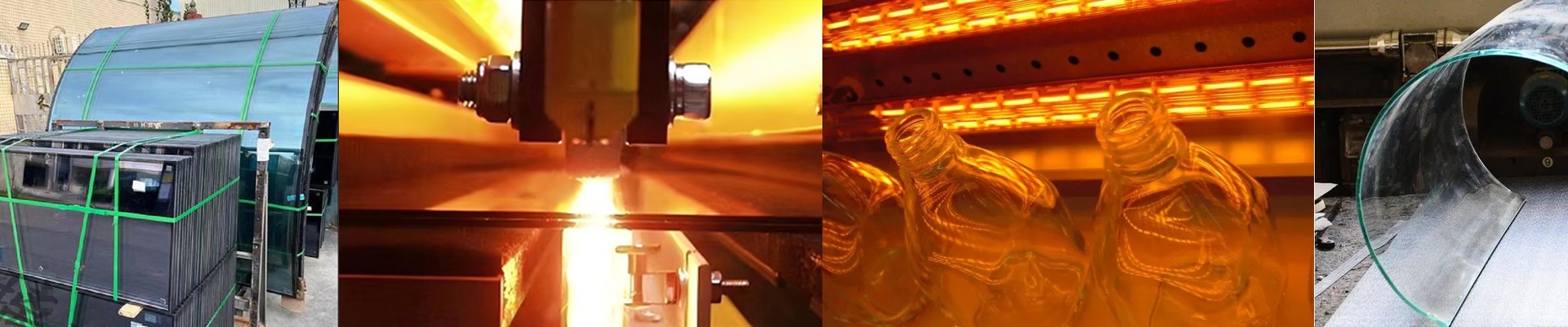
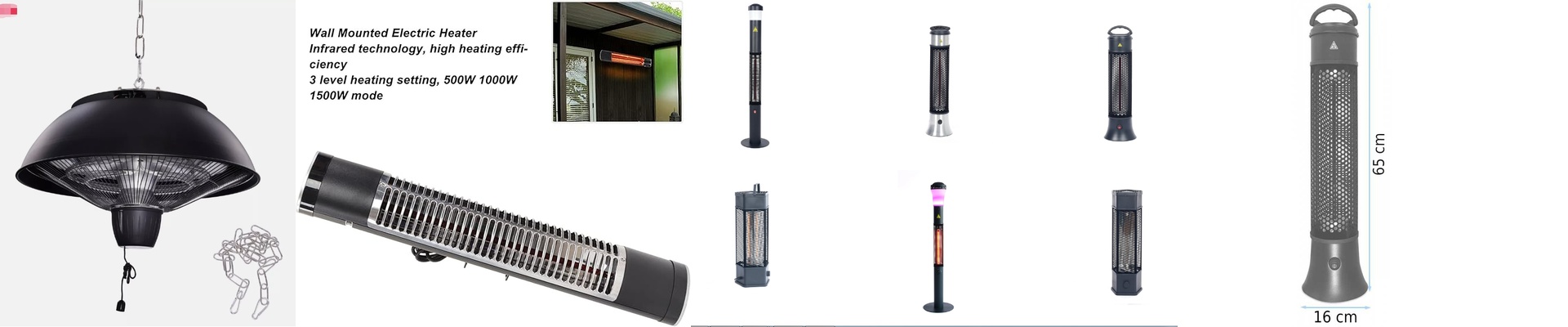
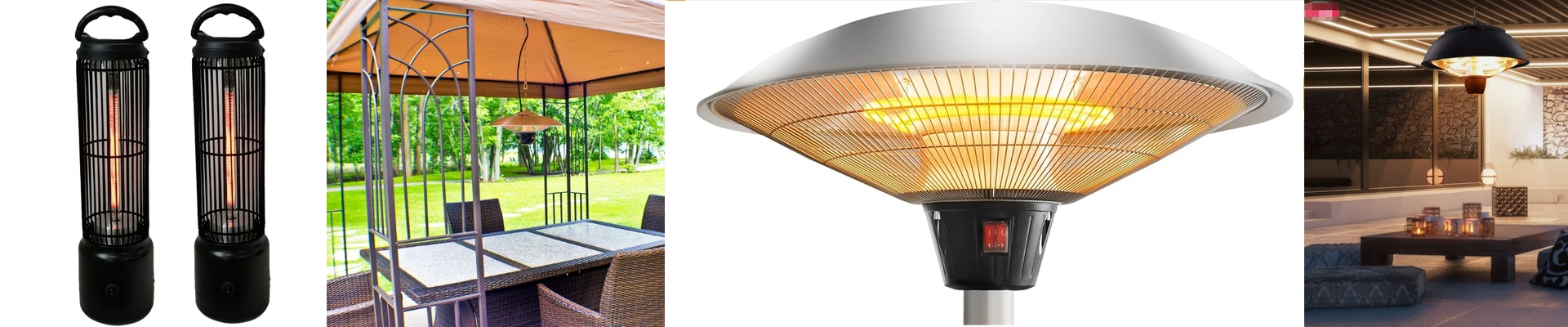
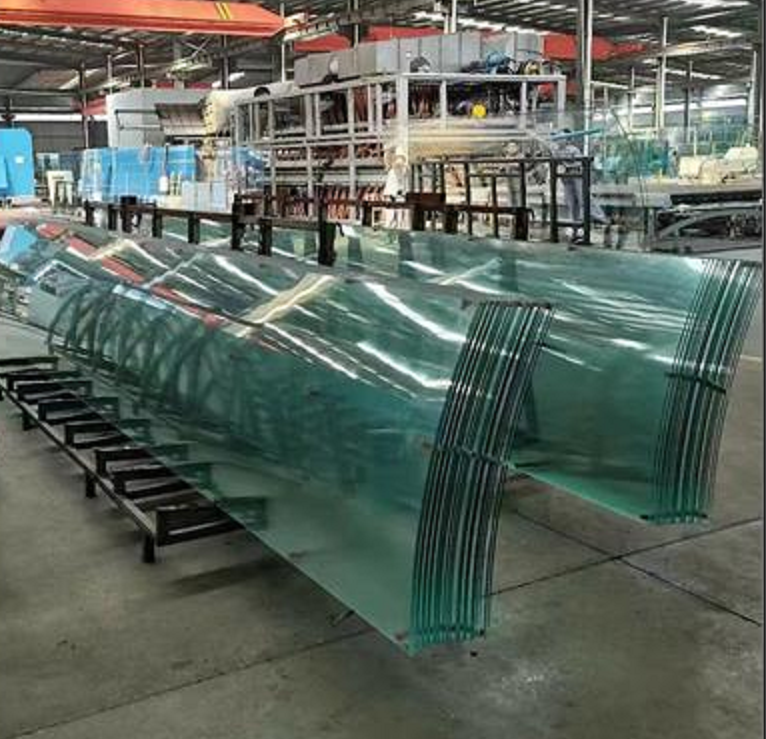
Out on the floor, a cracked lab glass part, a bending mold that’s off, or a delaminated automotive visor doesn’t care about batch cycles. It needs targeted, repeatable heat—now. A lab glass repair heating lamp gives you that control without tying up the main furnace or autoclave. Here’s how we set it up. We use short-wave infrared (SWIR) quartz emitters for snap response and high power density in a small footprint. You can spec 120 V or 240 V, 300–800 W, with a 50 mm focal spot and a 2 m industrial cable. The reflector geometry shapes a uniform thermal field, so you don’t get hot spots that push thermal stress and micro-cracks. Integrated thermocouple feedback and PID control hold setpoint within ±3 °C, and the quartz envelope handles rapid on/off cycling without output drift. Tempering needs a sharp, controlled quench. This lamp lets you do localized preheat and edge control to stabilize shape before the press. Bending demands consistent heat to the crown. The narrow beam follows the contour without cooking the edges. For EVA/SGP/PVB lamination, it speeds gel formation and edge sealing on small batches and field repairs, cutting cycle time from hours to minutes. Coating drying and insulating glass sealing come out ahead, too. The lamp dries edge seals fast without raising ambient humidity, and cures low-emissivity edge treatments without blooming. You’ll see fewer rejects, faster throughput, and lower energy draw than full oven bakes. A few practical notes. Match the voltage and connector to your station, and confirm the emitter-to-work distance to hit the required surface temperature. SWIR heats surfaces efficiently, but dark or reflective coatings change absorption—adjust power and dwell time. This is not a substitute for full tempering furnaces on safety-critical glass. Use it for repair, preheat, and controlled process support. Keep the emitter clean, keep the reflector aligned, and you’ll get repeatable results shift after shift.