Stopping Glass from Cracking in the Lehr
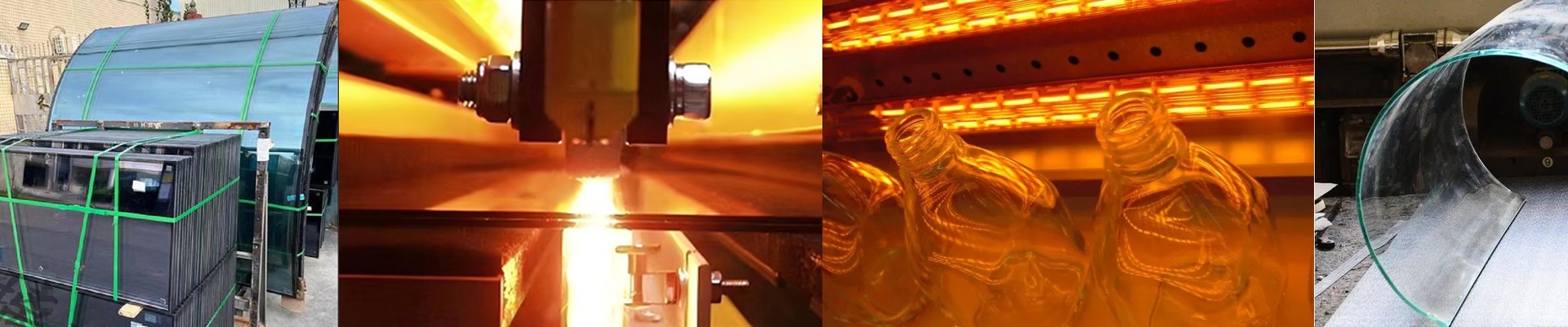
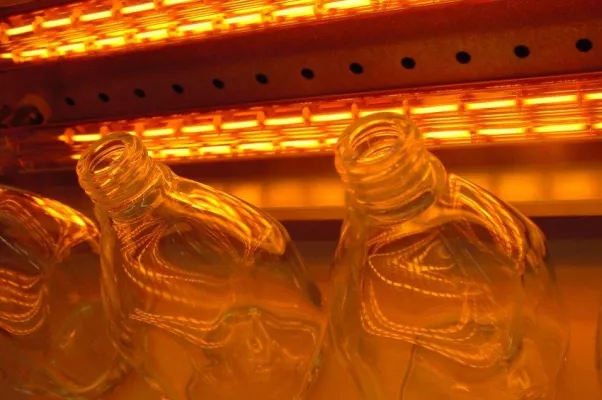
Nothing kills a production run faster than the sound of glass shattering. It usually happens because the temperature shifted too quickly. If you hit cold glass with a blast of high-intensity heat, it’s going to crack. Period. To stop that from happening, we use shortwave infrared (IR) lamps in the annealing lehr. The secret here is how fast we can change the power.
Why Speed Matters
If you want to avoid thermal shock, you need a heater that actually listens to your controller the second you move the dial. Old-school resistive heating elements are slow. They take minutes to warm up or cool down. But these IR lamps? They have very little thermal mass. They hit full power in milliseconds. It’s almost instant. We hook these lamps up to SCR (Silicon Controlled Rectifier) power controllers. This lets us dial the wattage up or down in real-time. Instead of a sudden heat spike, you get a smooth, gradual slope. This keeps the surface and the core of the glass heating up together, so you don’t build up that dangerous internal stress.
The Nitty-Gritty Specs
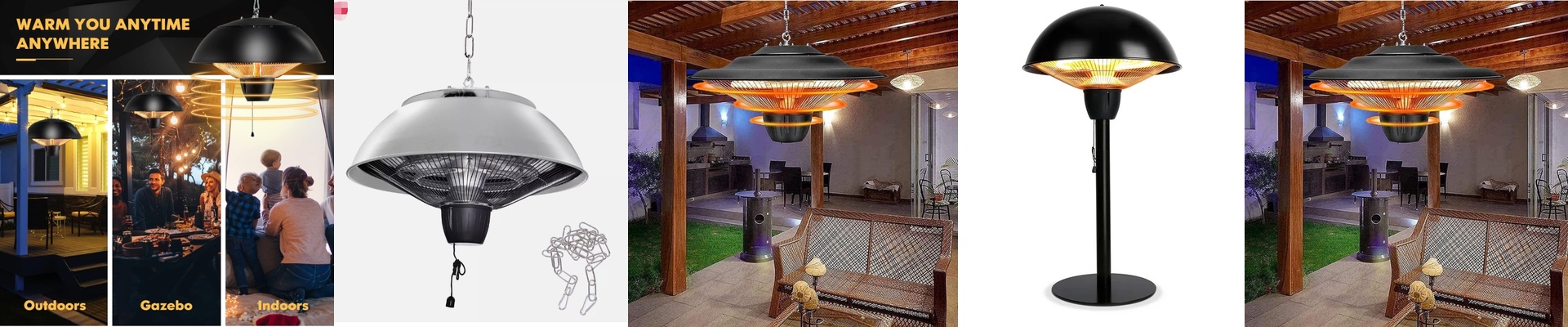
We use high-purity quartz envelopes because they let the IR light through without blocking it. The filaments are specifically tuned for shortwave emission. Here is why that matters: shortwave radiation sinks deeper into the glass. You avoid that “skin effect” where the outside of the piece is scorching hot while the center is still freezing. On the floor, you’ll usually see these with R7s or Sk15 connectors. We chose those because they’re easy to swap out when you’re in a rush. One pro tip: use high-temp wiring. If you don’t, the insulation near the lamp head will just burn away.
Real Talk: Life on the Shop Floor
These high-wattage lamps give you the heat density you need for fast cycles, but they aren’t “plug and play” for every electrical panel. If you’re running 2000W+ per tube, double-check your panels for inrush current. You don’t want to trip a breaker in the middle of a run. And please, keep the quartz tubes clean. It sounds simple, but dust buildup creates hotspots. That’s a quick way to kill a tube or end up with uneven heating across your glassware.