Stop the Chipping: Why We Preheat Glass with IR
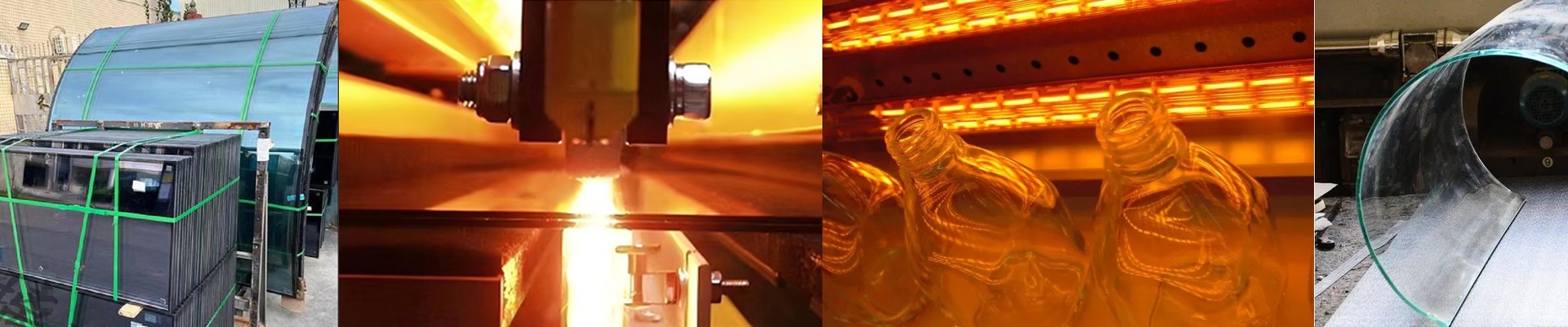
Ever get a perfect cut, only to find those annoying little chips or corner break-outs along the edge? It’s frustrating. Cold glass is just brittle—it doesn’t want to cooperate, and cracks tend to wander wherever they feel like going. That’s why we use infrared (IR) preheating. It basically changes the conversation between the cutting wheel and the glass. The science bit (kept simple) When you warm up the surface before you score it, you’re easing the internal tension of the material. The IR waves soak into the glass, creating a temperature gradient that softens the molecular structure just a tiny bit. It’s enough to keep the crack moving in a straight line. Without this, the energy from the cutting head bounces around unevenly. That’s how you end up with those jagged edges and shards that turn a good part into scrap. Picking your lamps We usually go with short-wave IR lamps. Why? Because they hit the glass fast. You don’t have to crawl along at a snail’s pace just to get the surface up to temperature, which keeps your line moving. You’ll need to figure out the wattage based on how thick your glass is and how fast your conveyor is running. But be careful with the distance. If the lamp is too close, you’ll get hot spots. Too far, and you lose that “punch” you need to actually make a difference. The reality check Here’s the thing: preheating isn’t a magic wand. If your cutting wheels are worn down to nothing, no amount of heat is going to save your edges. Plus, there are a few practical headaches. Adding a heating bank pulls more power and makes the shop feel like a sauna. You’ll want to use some decent thermal shielding so the heat doesn’t freak out your CNC sensors or melt your pneumatic lines. Just get your temperature set-point dialed in, and you’ll see those chip rates drop fast.