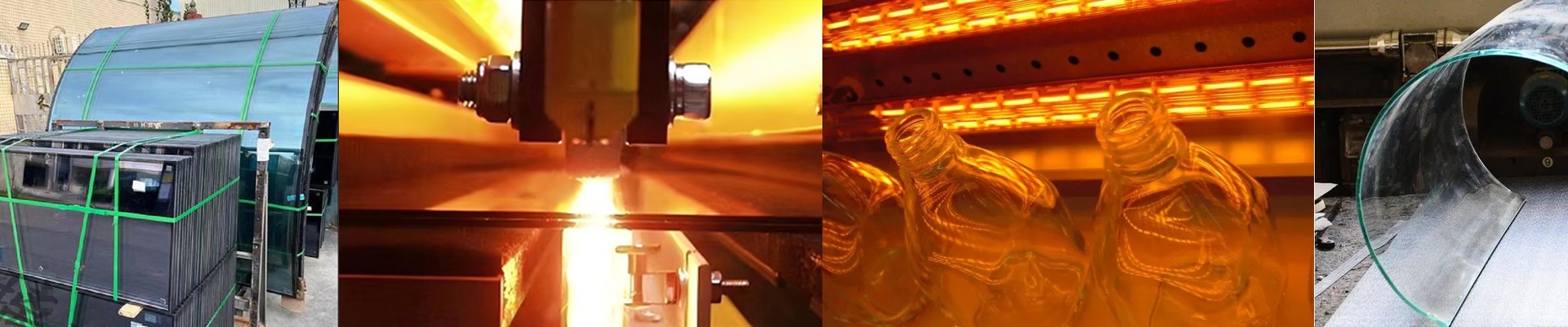

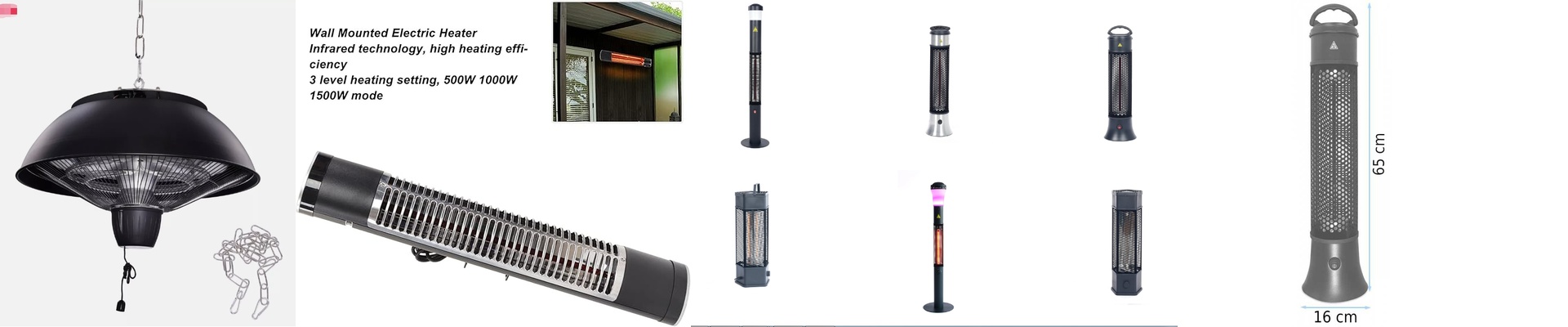

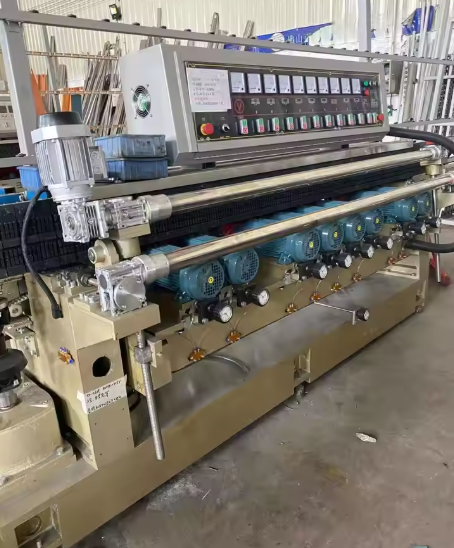
Cutting through ultra-thick glass is a nightmare for your equipment. There’s just so much friction and stress that if you try to score it cold, your cutting wheel is going to take a beating. It burns out fast. It’s frustrating, and it’s expensive. To fix this, we use high-penetration infrared (IR) lamps. Basically, we soften the glass right along the path where the cut needs to happen. Here is the trick: you need shortwave IR radiation. Most heat just sits on the surface, but shortwave energy actually sinks deep into the glass. It warms things up just enough to relax the internal tension. It doesn’t melt the glass or warp it—it just makes it “happier.” When the cutting wheel finally hits that preheated path, it doesn’t fight the material. It just glides. But you can’t just use any old bulb. We build these lamps for raw power density. You need enough wattage to dump heat into the glass faster than the rest of the cold plate can steal it away. If the power is too low, you’re only heating the “skin” of the glass, and the wheel still has to wrestle with a hard core. That’s why we stick with high-wattage quartz tubes. They do the heavy lifting. Now, there are a few things to watch out for. These lamps run seriously hot. You can’t just plug them into a basic circuit and hope for the best; you need a rock-solid power supply. If the power flickers, your filaments will die way sooner than they should. And be careful with your timing. If you pump in too much heat and don’t time the cooling cycle right, you risk thermal shock. One last tip:**keep the lamps clean.**A little bit of dust or a few stray glass shards on the quartz can create hot spots. That’s a quick way to crack a tube. It’s a bit of extra maintenance, sure. But when you see how much longer your blades last—and how clean those breaks look on the thickest plates—it’s totally worth it.