Why Fast-Response IR Lamps are a Must for Glass Inline Annealing
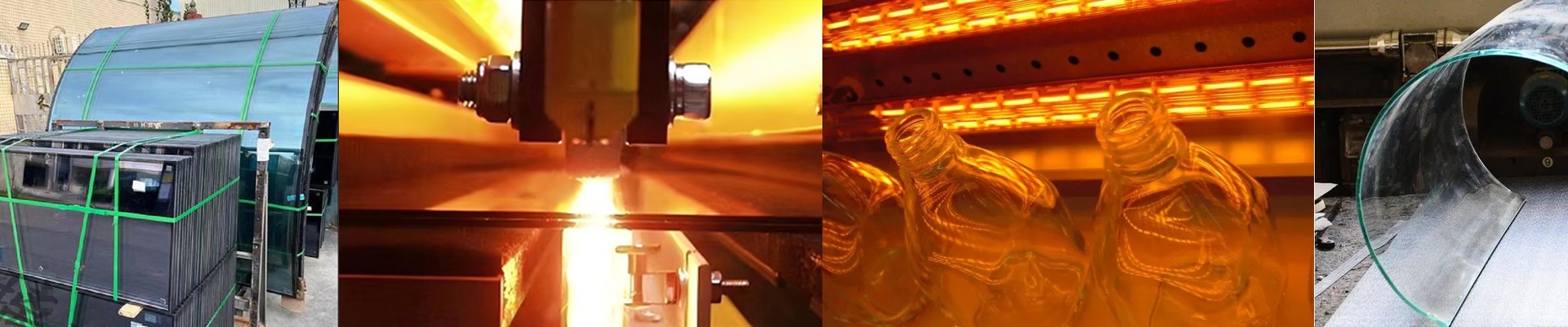
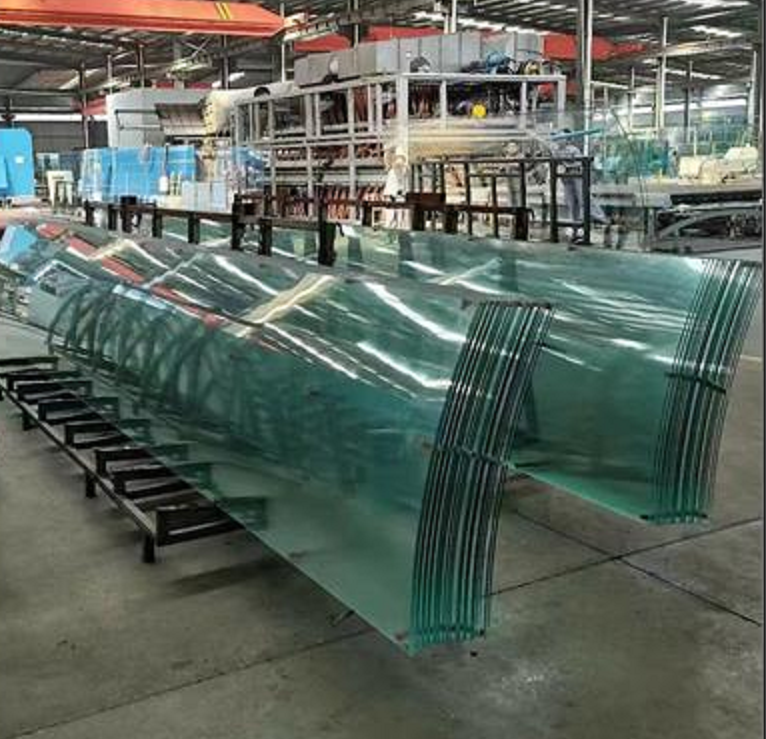
In a glass production line, waiting around is the enemy. When you’re moving from molding to annealing, you can’t have your heat source lagging behind. If the temperature isn’t exactly where it needs to be the second that glass hits the line, you’re looking at internal stress and cracks. Standard resistive heaters just aren’t built for this. They take way too long to warm up. That’s why we lean on shortwave infrared (IR) lamps. They don’t waste time heating up the air around the glass; they just beam energy directly into the surface. It’s instant. Getting the temperature right The real beauty of these lamps is how they keep your production moving. Since they hit full power in milliseconds, you can tweak the heat profile on the fly as the glass slides down the conveyor. No more worrying about those annoying “cold spots” you get with batch ovens. You get a much tighter grip on the annealing point. The result? Way fewer rejects and a much faster cycle. The nitty-gritty of heat density To make inline annealing actually work, we use lamps with high wattage and a very specific spectral output. We use high-intensity quartz envelopes so the filament can run scorching hot without just giving up and burning out. We stick with shortwave radiation because it actually sinks into the glass, whereas medium or longwave options tend to just bounce off. But here’s the thing: you have to balance that power against your line speed. Sure, a higher wattage lamp lets you crank up the belt speed, but it puts a lot more pressure on your electrical panels. And if you push it too hard, you’ll need better cooling fans, or your lamp sockets are going to melt. Keeping things running We build these units to be drop-in replacements. Nobody wants to spend a whole shift rewiring a rack just because one lamp went out. With standardized connectors, you can swap a blown lamp in a few minutes and get back to work. One quick tip, though. Quartz tubes are finicky. If you touch them with your bare hands, the oil from your skin creates a hot spot. Once you fire it up, that spot will cause the glass to crack.Alwayswipe the tubes down with alcohol before you turn them on. Your future self will thank you.