Stopping Glass from Cracking During Tempering
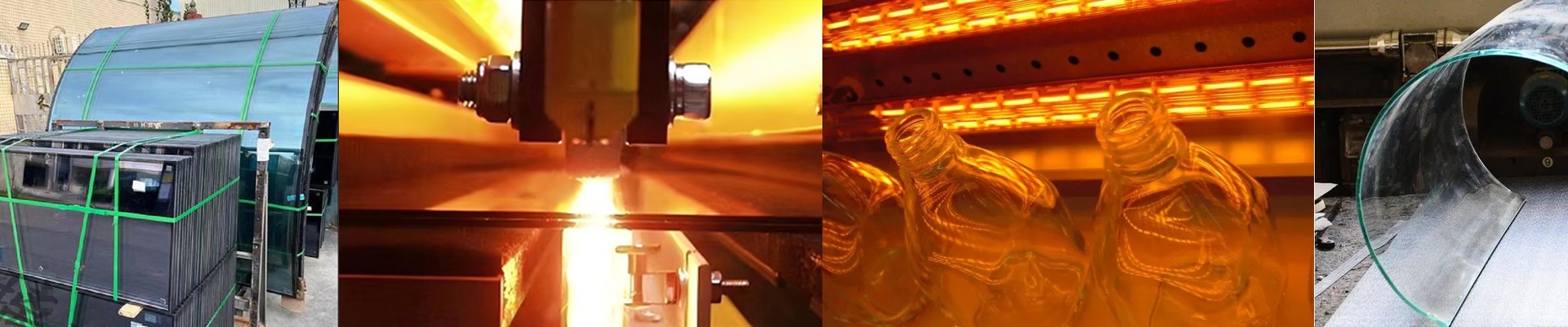
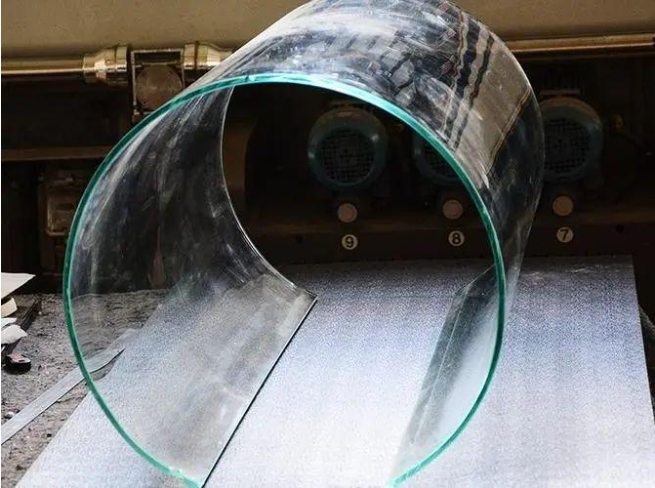
If you’ve ever worked with glassware, you know the nail-biting feeling of watching a piece go through tempering. You need those temperature spikes to be exact. One wrong move and—snap—you’ve got a pile of expensive shards. That’s why we use shortwave quartz infrared lamps. They don’t mess around. Unlike those slow-heating elements that take forever to warm up or cool down, these lamps react the second you change the power. When you’re trying to dodge thermal shock, you need a heat source you can throttle in milliseconds. Period. Getting the heat just right The secret is all about managing that temperature gradient. We use high-wattage quartz tubes to push a concentrated blast of shortwave radiation right into the glass. It penetrates fast. You can hook these up to a PID controller or an SCR power regulator to ramp the heat up or down on the fly. This keeps the “skin” of the glass from expanding way faster than the core. That’s usually where things go south and the glass breaks. Why quartz? We build the lamp envelopes out of high-purity quartz for a simple reason: it doesn’t freak out when the temperature swings. You can cycle the power from 0% to 100% over and over, and the lamp won’t just shatter. Plus, they’re compact, so they actually fit into those cramped machine frames we all have to deal with. The trade-offs (because nothing is perfect) Now, high-density infrared heating isn’t some magic wand. There’s a catch. When you cram that much power into a short tube to get a fast response, a lot of heat leaks into the machine chassis. You’ve got to get your cooling fans and ventilation sorted. If your airflow is weak, the ambient heat starts to drift. Suddenly, you can’t control the quenching phase precisely anymore. And if you push the lamp to its absolute limit without enough air moving around it? You’re just burning through your filaments a lot faster than you should.