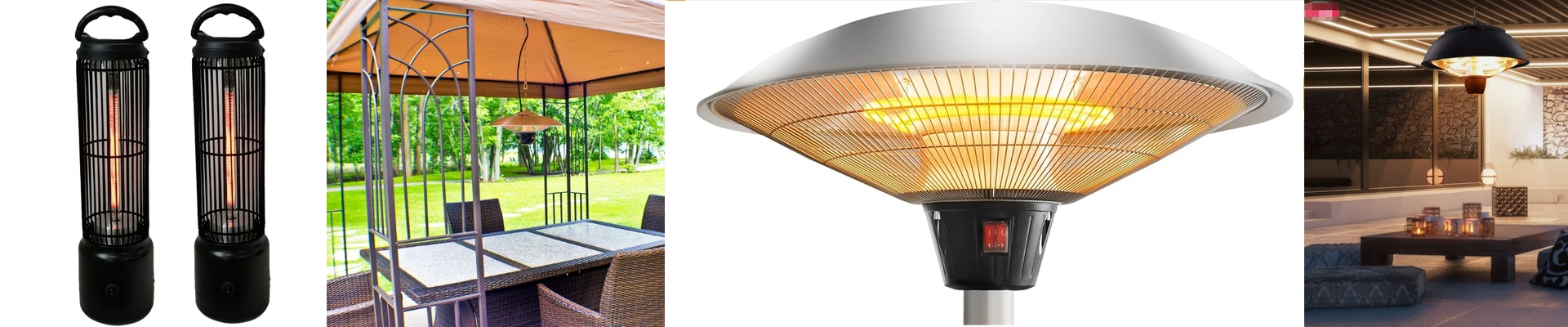
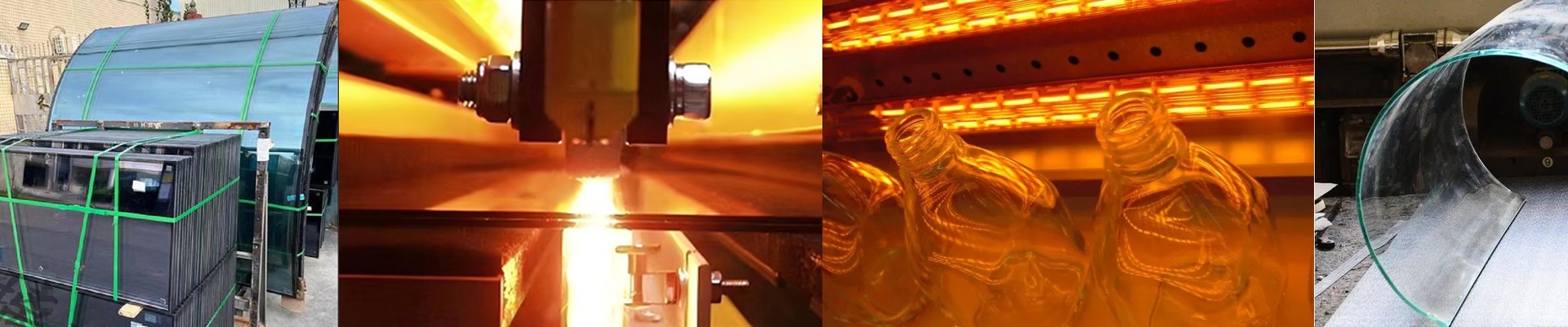
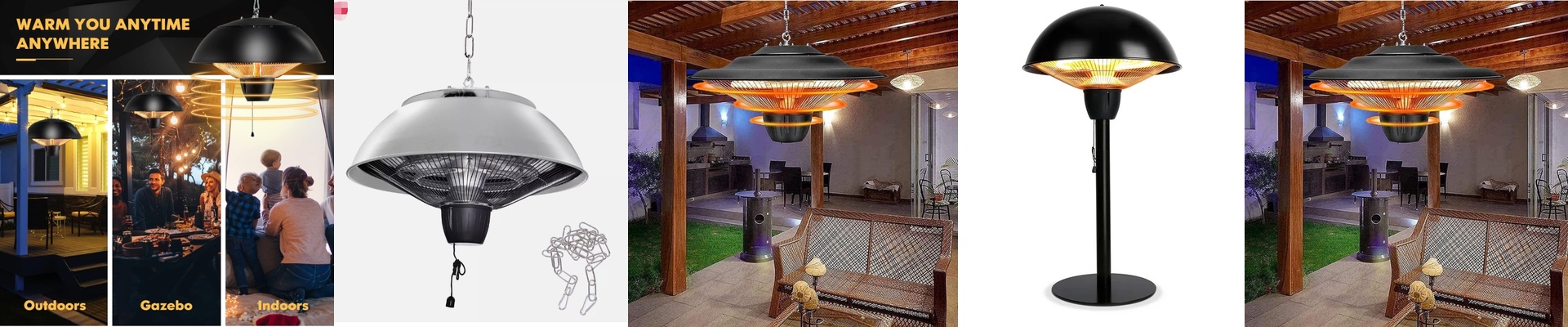
On the glass line, heat isn’t just a number on the controller—it’s control. A slow ramp-up drags out tempering and bending, and uneven heat leaves stress you’ll see later as breakage in inspection. With energy costs always moving, you want a heater that hits setpoint fast, holds steady, and does it without wasting kW. What matters under the hood We build custom quartz heaters around short-wave infrared elements tuned for quick response and stable output. They pack high power density with tight spectral control, heating the glass surface directly instead of heating air. That cuts convection loss and gives you faster recovery after door openings. Specs are matched to your process: 230–460 V, compact envelope dimensions, and termination options that fit common mounting frames. The quartz tube handles thermal shock, and the reflector geometry is laid out to give a uniform thermal field across the glass width—exactly what you need to avoid hot spots in tempering and coating drying. In tempering and bending, cycle time is money. Quartz heating shortens soak time and snaps the furnace back to temperature, so you get more sheets per shift without chasing drift. The direct-heat approach cuts standby losses, and the controllable output keeps thermal stress in a safe window, which reduces scrap from micro-cracks. On the lamination side—EVA, SGP, PVB—and in insulating glass sealing, stable heat improves adhesion and edge seal integrity. You also pull less energy per part, which shows up directly on the cost per piece. Here are a few practical notes. Quartz heaters are line-of-sight, so part geometry and spacing matter. Clearance to reflectors and consistent airflow around the element affect both life and uniformity. Plan for solid thermal anchoring and use connectors rated for high temperature. Output can be tuned for clear, tinted, or coated glass by adjusting power density and dwell. If you share your glass stack and cycle profile up front, we can set it up to drop right in.