Engineering Custom Infrared Heaters for Wide-Format Low-E Glass
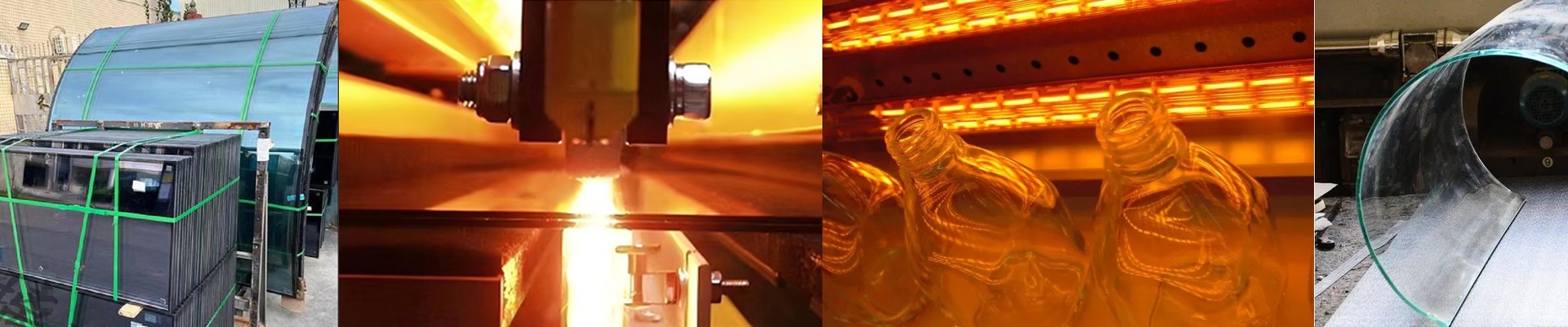
We built a custom infrared heating solution for one very specific headache: preheating wide-format Low-E glass on a tempering line. The problem is simple enough. Standard heating lamps are just too short. So you end up with uneven heat and production that gets stuck in traffic. So we went a different route. We design and build units that stretch well over 3 meters long. It’s the direct answer to the demand for wide-format glass, and it means the entire width of the ribbon gets the same, steady dose of energy.
Let’s talk power, voltage, and size
A 3-meter infrared unit isn’t just a longer tube. It’s a thermal system that’s been completely rethought. To get the right heat density across that whole length, we size the power carefully. The wattage has to match the span, so the temperature stays stable from one end to the other. We typically run these on 400V. That higher voltage is a practical choice. It lets us deliver the power without needing massive, expensive copper cables. For you, that means less voltage drop over long runs and a more stable supply right at the lamp terminals. And the length? That’s the key. We build to your line width, so there are no cold spots hiding anywhere.
What’s inside: the build details
The heating element is a shortwave infrared halogen tube. It heats up fast and delivers intense, focused energy exactly where you need it. The tube itself is quartz, which can handle the shock of rapid on/off cycling on the production line. We also coat the tube to tune the spectral output. That coating helps match the absorption of the Low-E glass, so you get better energy transfer and less waste. For the connections, we use R7s connectors. It’s a proven industrial standard that can handle high current, makes installation a straightforward wire-up, and holds up to the heat and vibration inside the oven.
On the floor: how it feels to run
On the shop floor, these custom units are drop-in workhorses. They preheat the glass before it hits the main heating section, which takes pressure off the downstream heaters and helps you run the line faster. Because the heat is uniform across the whole width, you avoid warping and get consistent optical quality. And the fast response time means precise temperature control that keeps up with variable line speeds—no lag. There is one trade-off: thermal management. Delivering this level of power density means you need a properly sized cooling system for the lamp housing and reflectors. Plan for enough airflow or water cooling to keep the electronics and optics in a safe temperature range. We build these to take the daily beating of continuous industrial work. They’re engineered to run—not just to heat.