
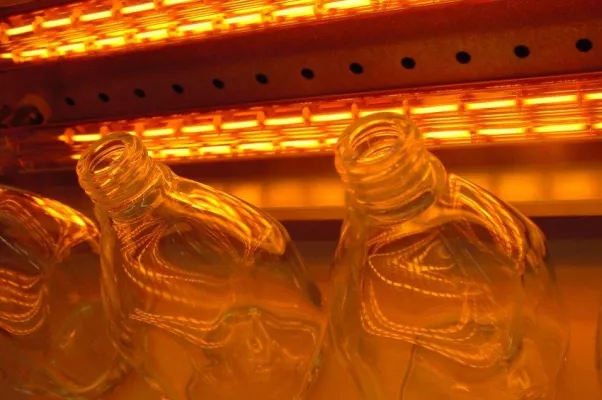
Sealed Infrared Heating: The Fix for Flying Powder in Coating Lines
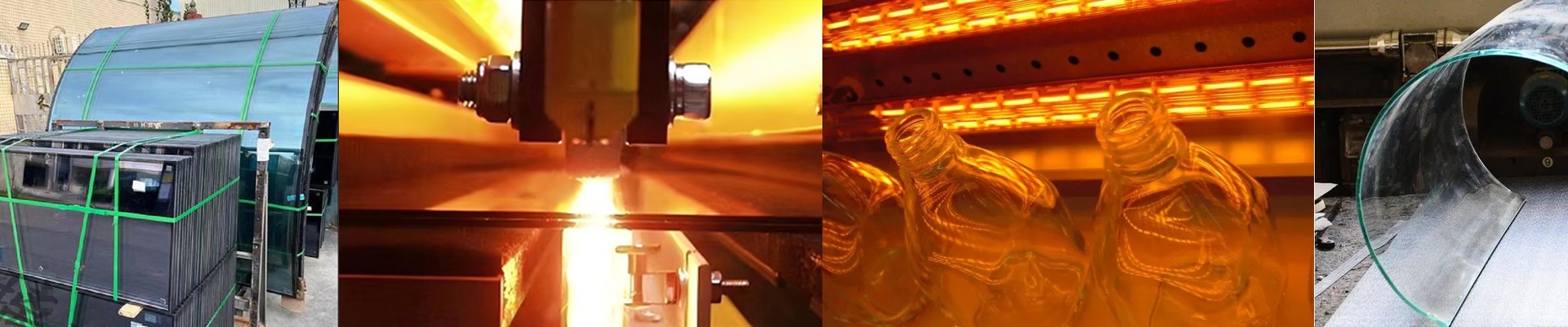
We built this laminated glass cutting heater for one reason—to keep your coating line running clean. No powder in the air, no grit on the glass, no surprise stops. At the heart of it is a fully sealed infrared heating lamp. It delivers heat without pushing air around, so there’s nothing to kick dust up onto the glass.
Power, Voltage, and Geometry: The Details That Make It Work
We chose a shortwave infrared lamp that runs on 400V. That higher voltage means lower current for the same wattage, which lets you use smaller conductors and keeps voltage drop low—handy when you’re running long cables across big coating booths. And the tube length? It’s matched to the heating window so the heat stays tight and even across the glass. You set the wattage based on cycle time and glass thickness. More wattage means faster heat-up, sure—but it also means more demand on your control gear and cooling. Plan your panel airflow and thermal protection with that in mind.
Material and Design: Built to Stay Tough
The tube is quartz, because it responds fast and handles thermal shock without blinking. The surface has a special coating that shapes the emission pattern, keeping more energy in the right band and cutting down stray heat that can wear out nearby seals and wiring. The whole lamp is sealed. That’s the point. Airborne powder can’t settle on the hot element, so maintenance stays low and the glass stays clean. We use an R7s connector because it’s a proven industrial fit. It locks in place, handles high temperature, and makes the lamp a simple, drop-in replacement on standard fixtures.
Application and Benefits: Clean Heat Where It Counts
In coating lines, flying powder is the real enemy. Open heaters stir up convection currents, and that dust ends up on the glass. Our sealed infrared design heats by radiation, not air movement. So you get a stable heating zone with far fewer contamination issues. It’s also built to survive harsh environments—solvents, humidity, the works. The sealed build helps prevent internal arcing and early burnout. There is a trade-off, though. The output is dense, so your machine needs to manage heat rejection properly. But when your conveyor and enclosure are set up for it, you get heating that’s predictable, fewer rejects, and less downtime spent cleaning up.