

Stop the Bathroom Mold Battle (With a Little Help from Your Mirror)
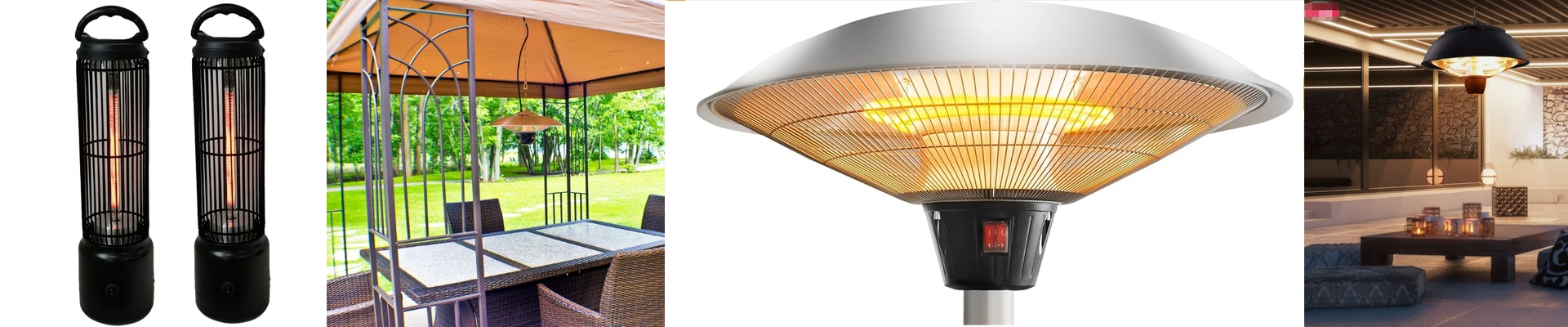
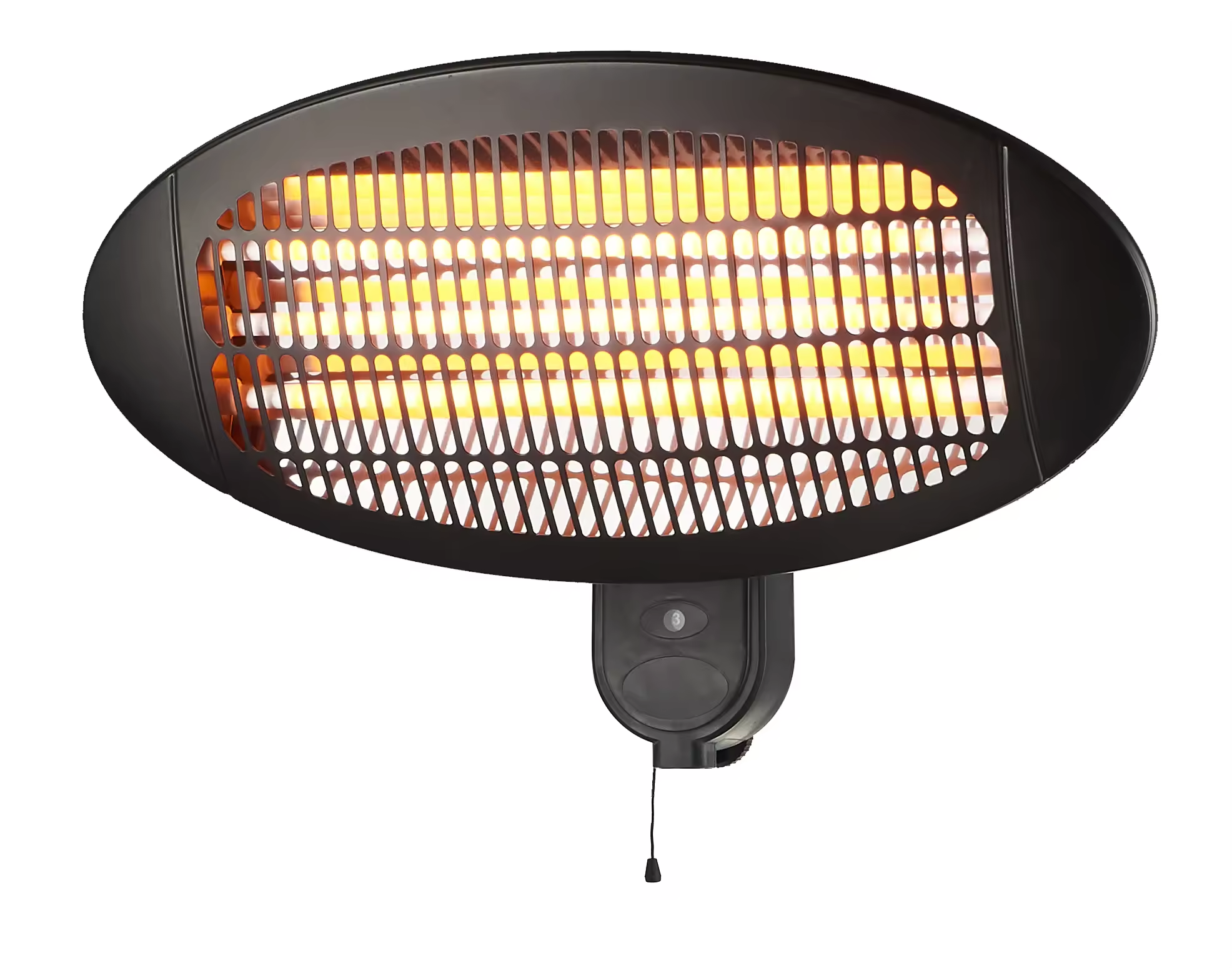
Most of us see those infrared mirror heaters as a luxury—something to keep you from shivering while you brush your teeth in January. But there’s a much cooler side to this. It’s not just about feeling cozy; it’s about keeping your bathroom from becoming a science experiment for mold.
How it actually works
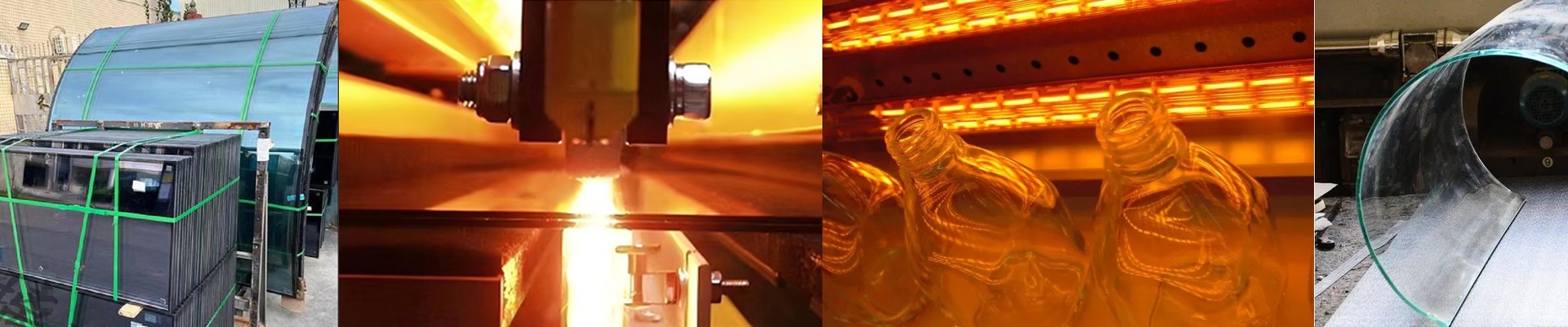
Think about how a normal space heater works. It warms up the air, and then you hope that air eventually dries out your walls. It’s slow. IR heaters are different. They don’t bother with the air. Instead, they send heat straight into the tiles and the grout. It’s like a heat lamp for your walls. When those surfaces get warm, the water trapped in the grout or clinging to the tiles just… vanishes. It evaporates way faster. And here is the secret: mold hates dry surfaces. If you can keep the moisture from sitting still on your walls, the mold never gets a chance to move in.
A few things to watch out for
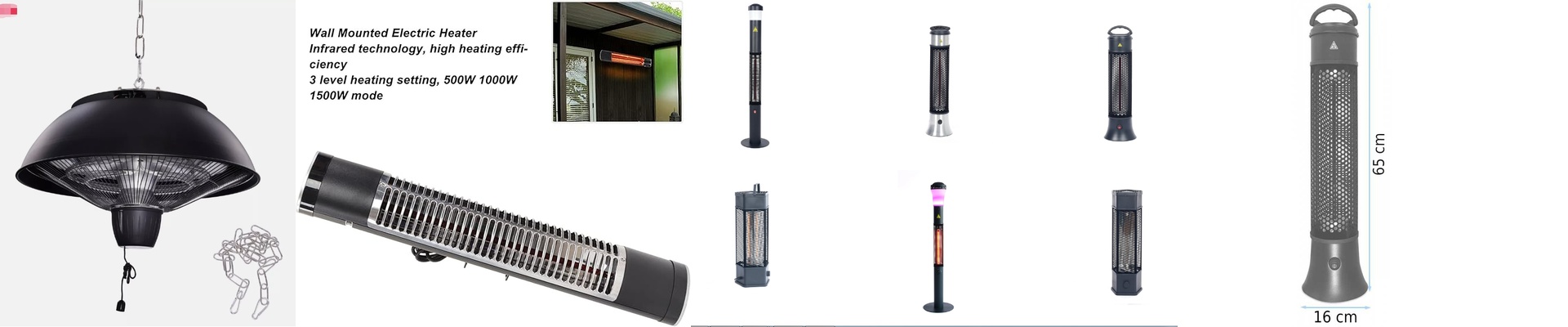
Now, you can’t just throw the most powerful lamp you find into a tiny bathroom. If the wattage is too high for a small space, you’re just wasting power. Worse, you might put too much stress on the glass or the mirror housing. And if you’ve got a few of these units running on one old circuit? You’re probably going to trip a breaker. It’s all about balance. You want enough heat to do the job, but not so much that you’re turning your bathroom into a sauna.
The missing piece of the puzzle
Here is the catch: the heater can’t do it alone. The IR lamp pushes the moisture off the walls and into the air. But if that wet air just sits there, you’ve just made a warm, humid room. You need a fan. The lamp lifts the water; the fan kicks it out of the house. If you’re installing these, try putting them in the “cold spots”—usually the areas furthest from the shower where condensation loves to hang out. It keeps the whole room feeling crisp, dry, and actually healthy to breathe in.