
Stop Wrestling With Infrared Lamps
Buying a single infrared lamp is the easy part. The real headache starts when you try to actually get it into your production line. Most engineers I talk to have been there: spending hours on wiring or, worse, watching a component burn out because the heat wasn’t hitting the right spot. It’s frustrating. That’s why we stopped just shipping loose parts and started building bent heating modules. We do the hard work on our floor so your assembly team doesn’t have to.
Why the bend matters
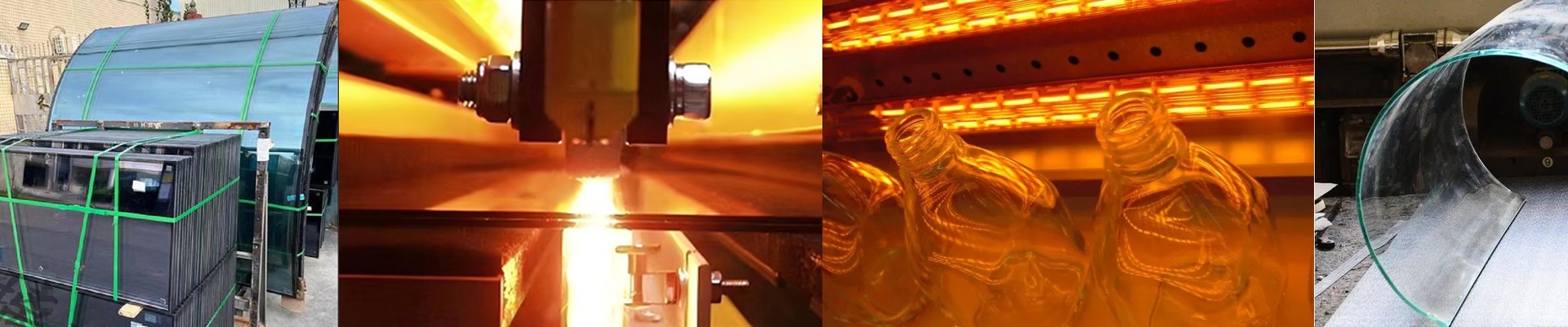
If you’re working with curved parts, a straight lamp is basically a guessing game. You end up with cold spots, which means slower cycle times and inconsistent results. Our fix? We bend the quartz tubes to match the actual shape of your part. This gets the heat closer to the material, which kicks the heat flux up a notch and gets your parts moving through the line faster. But it’s not just about the shape. We send you a pre-wired module. No more fumbling with brackets or praying your technicians don’t snap a tube while trying to force it into place. You just drop it in, wire it up, and you’re done.
A quick word on the heat
Now, here is the trade-off. High-wattage shortwave lamps are great for precision annealing because they ramp up fast. But when you pack that much power into a tight, bent curve, things get hot—really hot. If you go for extreme wattage in a tight radius, the heat buildup at the connectors can be brutal. Just a heads-up: make sure your cooling fans or air jackets are beefy enough to handle the rise in temperature. Otherwise, you’re looking at fried wiring.
Cutting out the shop-floor grind
Let’s be honest: manually installing individual lamps is a slog. It’s a bottleneck that slows everyone down. By switching to a turnkey module, you get rid of the repetitive chore of seating every single tube and tightening every clip. We handle the bending, the insulation, and the wiring. You get something that’s basically plug-and-play. It cleans up your installation footprint and removes the “human error” factor that usually crops up during setup. You aren’t just buying a component anymore—you’re getting a tool that actually works the moment it hits your floor.