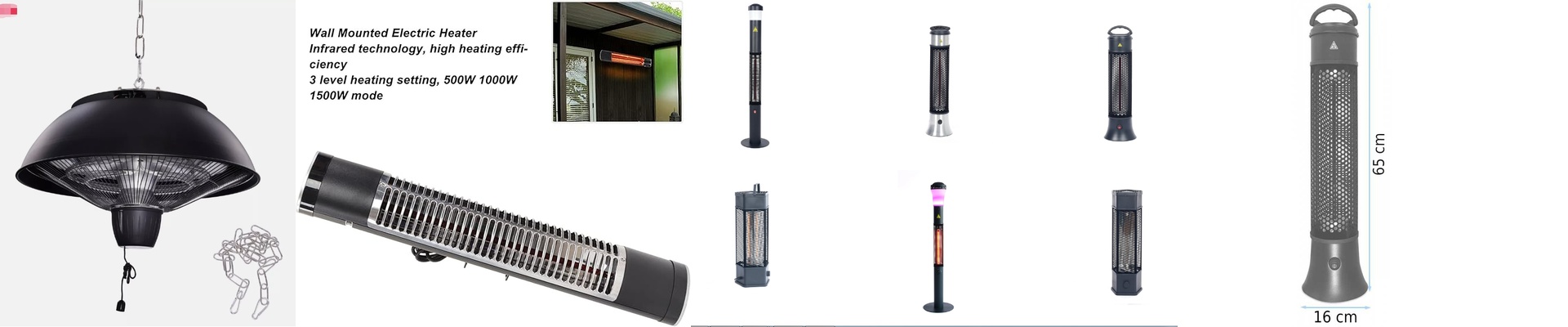
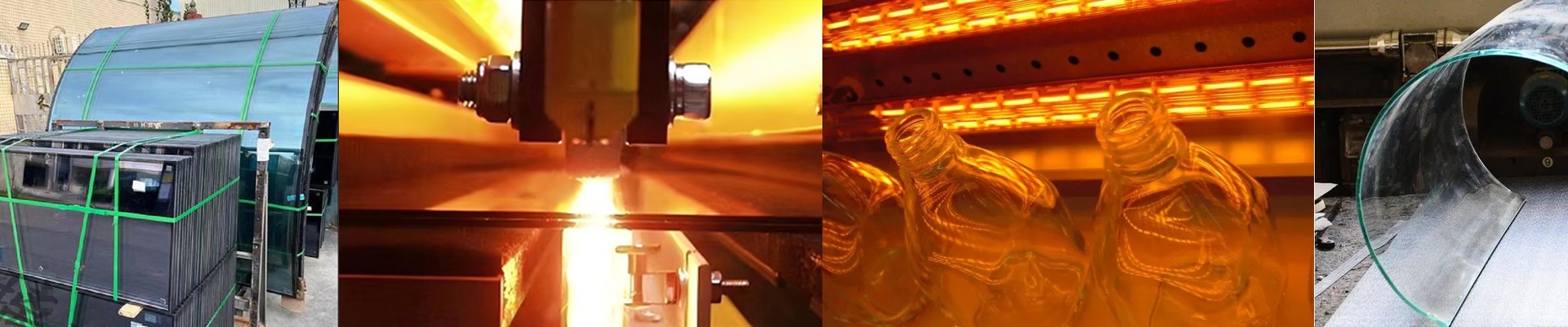

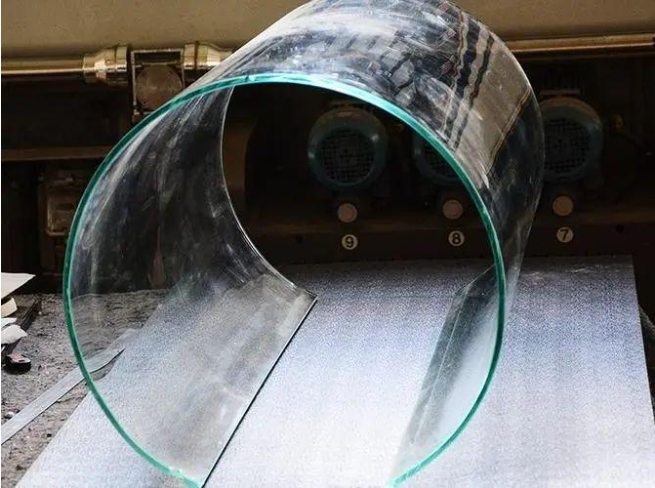
On the floor, a mold with an uneven thermal field will quietly kill your yield. It doesn’t just burn glass—it burns time, energy, and capacity downstream. In tempering, bending, and lamination, hot and cold spots across the mold surface create localized thermal stress. You know what follows: spontaneous fractures, warping, and optical distortion that show up as expensive rejects.
What matters under the hood
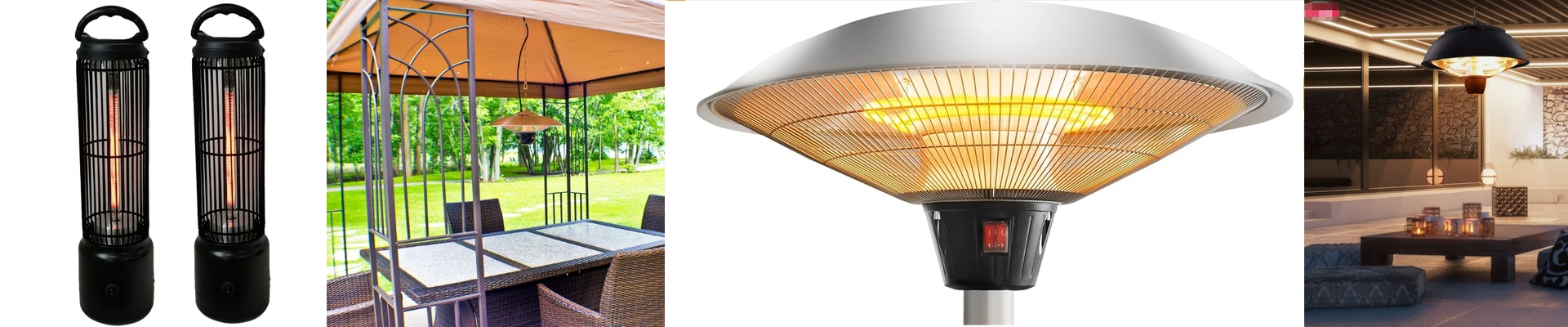
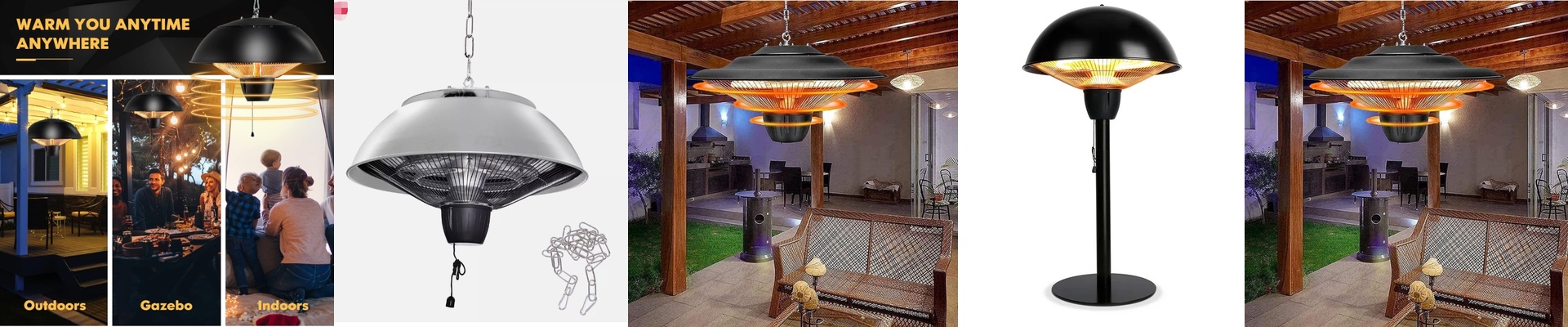
We run short-wave quartz infrared radiators on glass molds because they deliver rapid, direct radiant heat with minimal convection. The goal is a repeatable, even thermal profile across the whole mold face—no hot or cold zones that drive differential expansion. Output stays stable and controllable, and the fast response keeps tight thermal cycles honest. The emitters are built for industrial duty, with consistent emissivity and a form factor that drops cleanly into existing mold heating zones.
Why this matters on the line
Uniform heat across the mold makes the difference you can feel. When the mold surface is even, the glass heats evenly, and you cut down the thermal stress that leads to breakage and optical issues. The payoff is fewer unplanned stops, more predictable cycle times, and stable quality on tempered, bent, and laminated parts. The rapid heat-up shortens the ramp, so you gain throughput without spiking peak energy draw. In practice, you see fewer rejects, less scrap, and a process window that holds steady.
What to watch on install
These radiators need precise alignment and enough clearance to avoid shadowing and keep irradiation even. They work with most mold platforms, but you have to match the mounting interface and power connections to your tooling layout. Plan a focused commissioning run to tune power density and dwell times to your specific glass thickness and geometry.