Why We Use Explosion-Proof Quartz in Bathroom Heaters
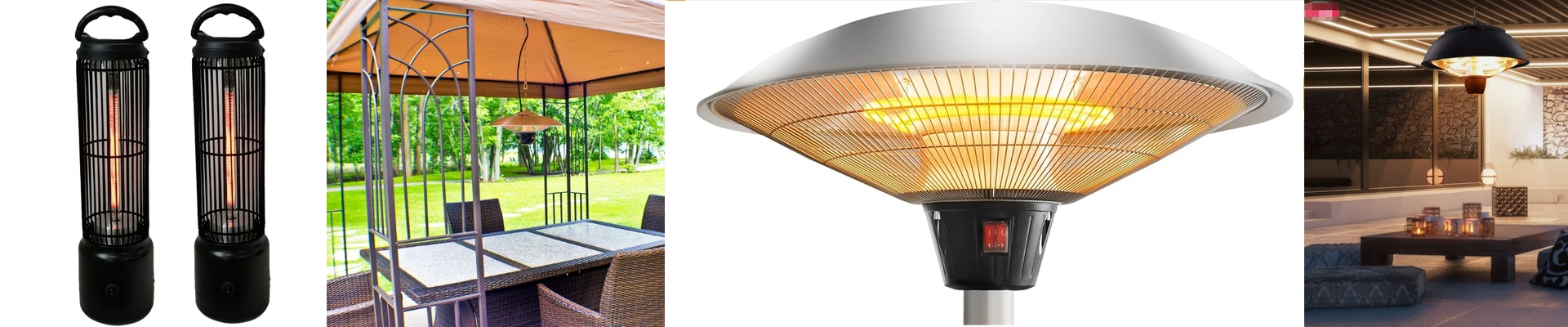
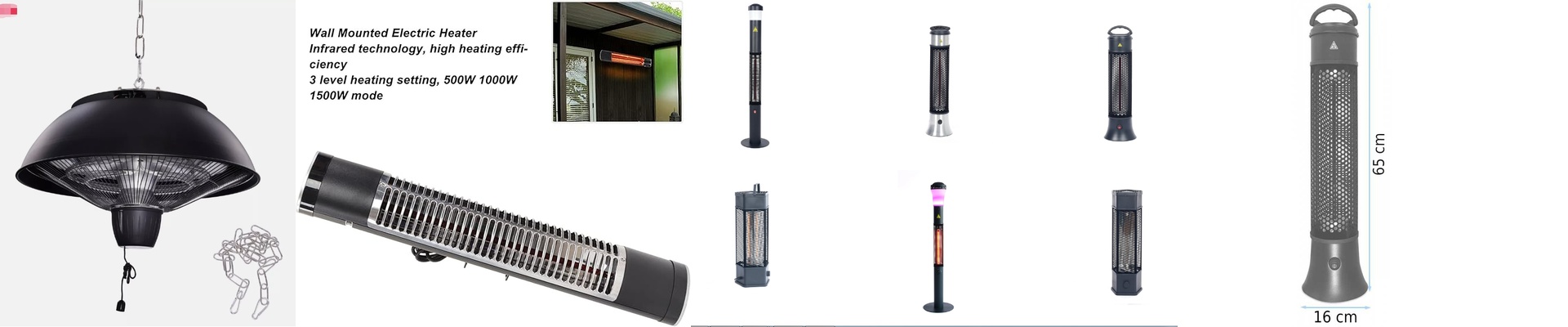
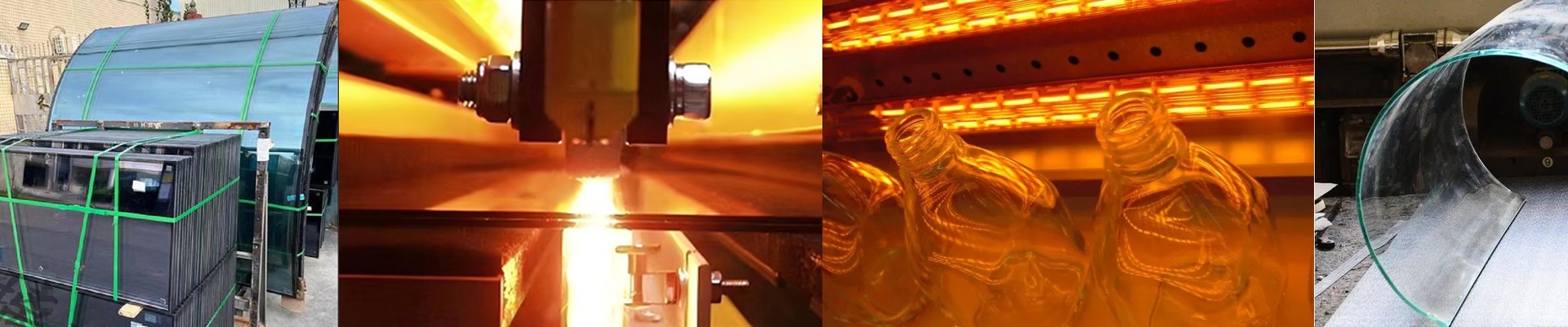
If you’re putting infrared lamps in a bathroom with high ceilings, you’ve got a bit of a physics problem on your hands. You have a heating element getting screaming hot in a room that’s damp, steamy, and prone to random splashes of cold water. Standard quartz tubes just can’t handle that. They’ll crack. Or worse, they’ll shatter. That’s why we stick with explosion-proof quartz glass.
The “Cold Drop” Problem
Quartz is great because it doesn’t expand much when it gets hot. But imagine a single drop of cold water hitting a white-hot tube. The glass shrinks instantly in that one spot, and snap—you’ve got a stress fracture. We add a protective safety layer (or use a specific kind of tempered quartz) to stop the glass from flying outward. Think of it as a safety net. Even if the filament dies or the glass cracks, the pieces stay put. When you’re standing under a high ceiling, you really don’t want glass shards raining down on you.
How the Heat Actually Works
These lamps use short-wave infrared. Instead of trying to warm up all the air in the room—which is a losing battle with high ceilings—the energy goes straight to your skin and the surfaces around you. It’s an instant feeling of warmth. We tweak the wattage so they heat up fast, but not so fast that they blow a fuse or stress out your electrical panel.
The Reality of Installing Them
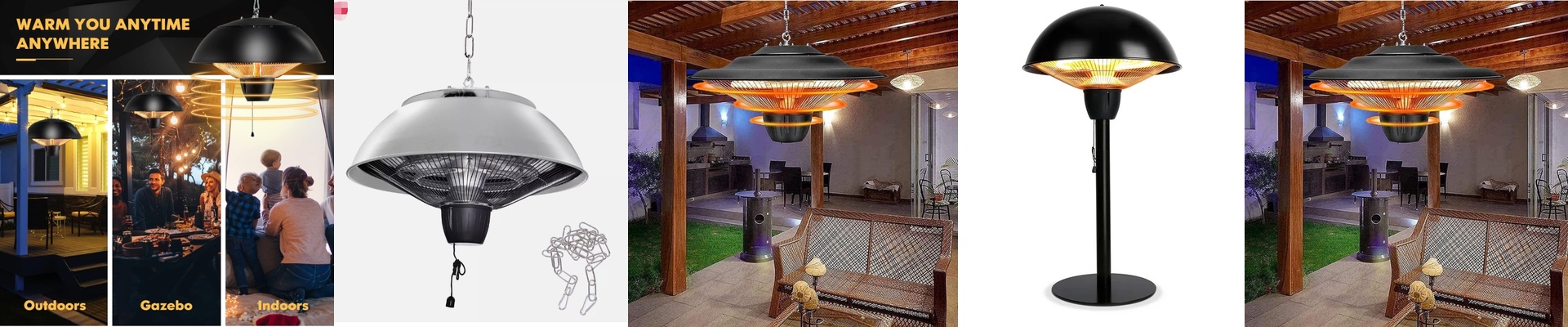
Here’s the thing: you can’t just plug these into any old outlet. They pull a lot of current, so they need their own dedicated wiring. If your wires are too thin, you’ll get a voltage drop, and those tubes will never actually get hot enough to do their job. And just a heads-up—“explosion-proof” doesn’t mean “indestructible.” If you hit the lamp with something or mount it poorly, it’s still going to break. Make sure your brackets are tight. If the lamp vibrates too much, it’ll eventually wear out the seals, and then you’re back to square one.