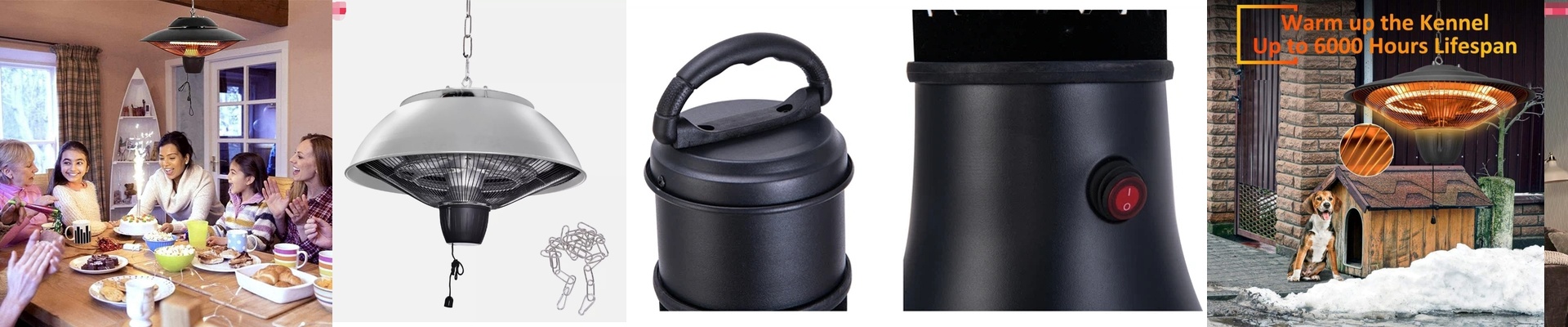
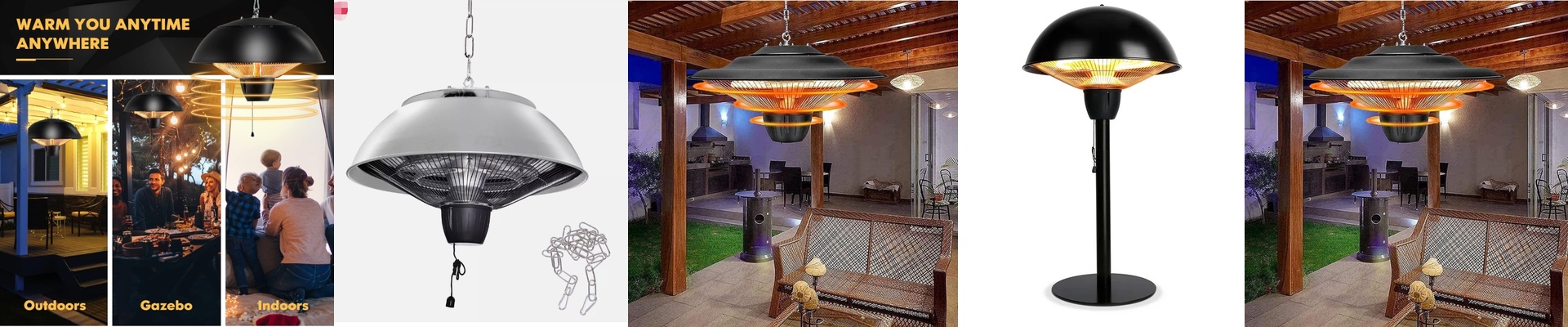
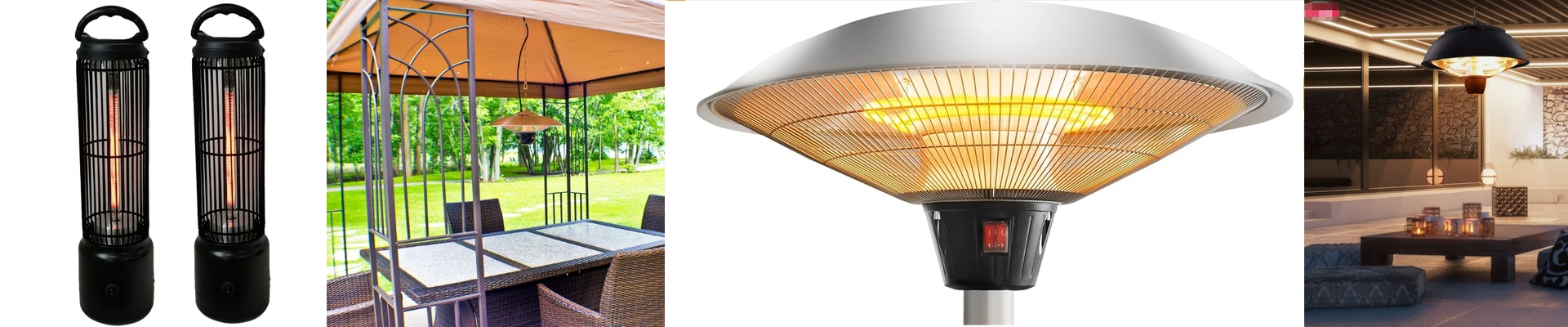
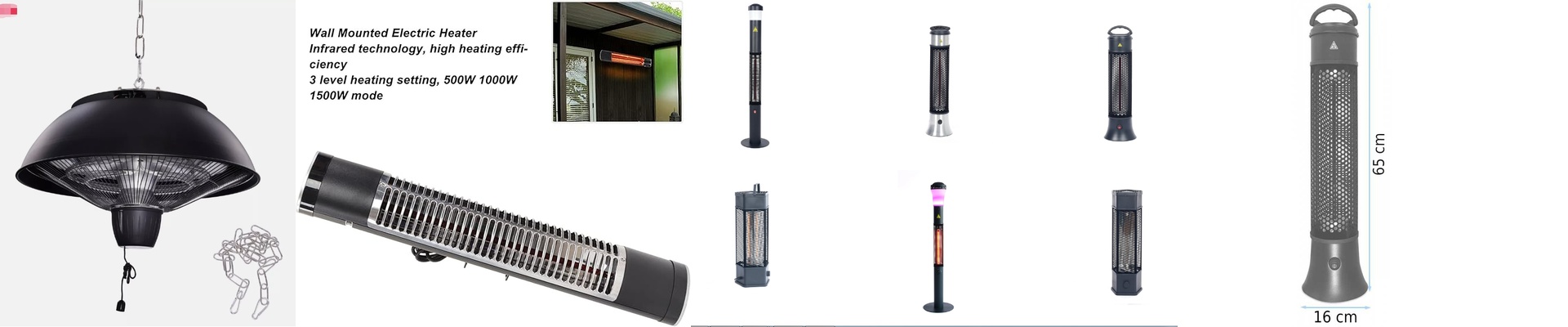
On a restaurant patio, comfort comes down to two things: warmth and air that doesn’t feel like it’s been put through a hair dryer. You can have toasty conditions, but if the air gets stripped of moisture, guests end up parched, wood tables start to crack, and the whole vibe goes flat. Forced-air heaters push hot air around, and that accelerates moisture loss. Infrared patio heaters do it differently—they warm people and surfaces directly, so the air stays more stable.
What actually matters under the hood
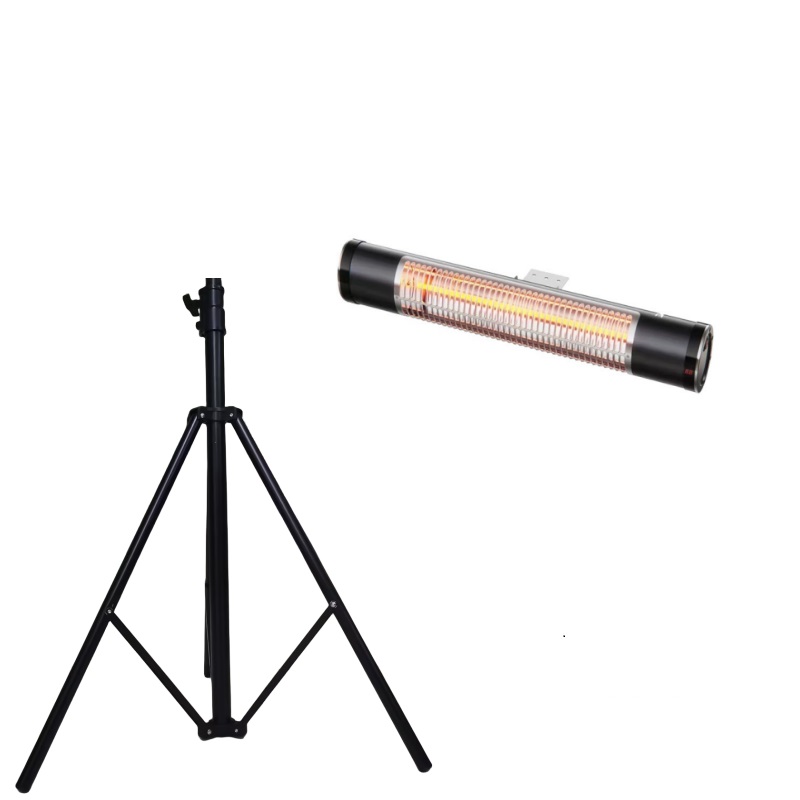
Infrared patio heaters deliver radiant warmth, the same way the sun warms you on a cool day. The heart of the system is the emitter—carbon fiber or quartz—that produces short-wave or medium-wave infrared energy. That energy travels in straight lines and gets absorbed by solid objects: chairs, tables, flooring, and skin. It doesn’t waste effort heating the air in between. The feel is immediate and directional. When you’re spec’ing commercial patio heaters, the numbers tell the story. A typical electric infrared patio heater runs on 120V or 240V, with outputs from about 1,500W to 5,000W, matched to the size of the seating area. Quartz tubes and reflectors keep the beam focused. Built-in thermostats and tip-over protection keep things running safely and consistently. Look for an IP rating that fits covered outdoor use, and mounting hardware that lets you place the heater where guests feel warmth, not drafts.
Why this approach fits a restaurant
In a restaurant, comfort has to be repeatable. With infrared warmth, the heat lands on guests, not on the air, so relative humidity stays closer to where it should be. That matters: fewer dry throats, fewer static shocks, and a more natural feel even when the heater is on. Because the heat is directional, you can spot-warm seating zones without roasting walkways or service areas. It also helps you keep a lid on energy use. You’re delivering heat where it’s needed, not dumping it into empty air. In practice, a lot of operators pair infrared heaters with overhead or wall-mounted units to keep tables warm while the air stays calm. Guests feel cozy faster, and staff can dial comfort up or down via the thermostat, instead of fighting a noisy blower.
The realities you should plan for
Infrared patio heaters need a clear line of sight. Umbrellas, beams, or dense partitions cast shadows and steal warmth. For electric models, plan your circuit capacity up front—a 240V line is often the cleanest way to run multiple heaters without tripping breakers. And here’s the thing: infrared warmth is immediate, but it doesn’t “fill” a space the way air-based heating does. In windy, fully open layouts, you may need more units or some supplemental protection to keep the beam steady.