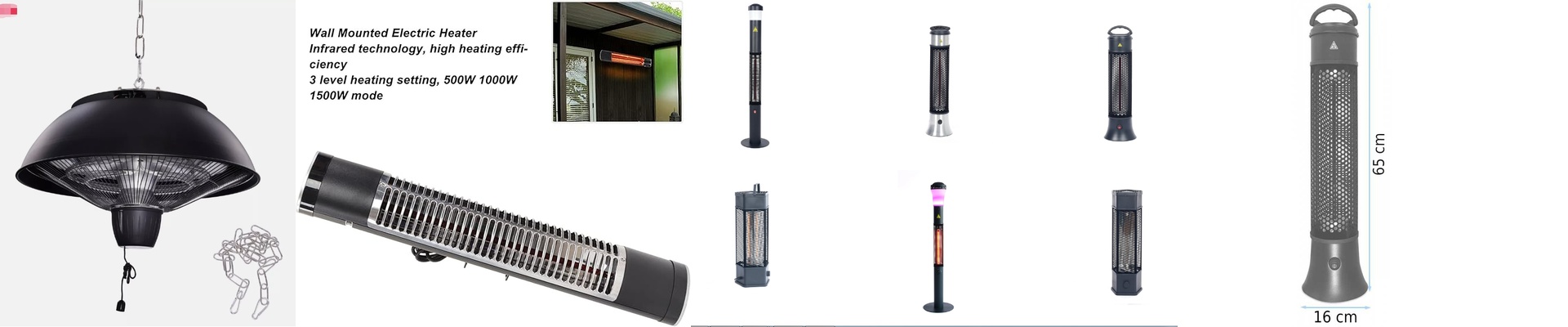
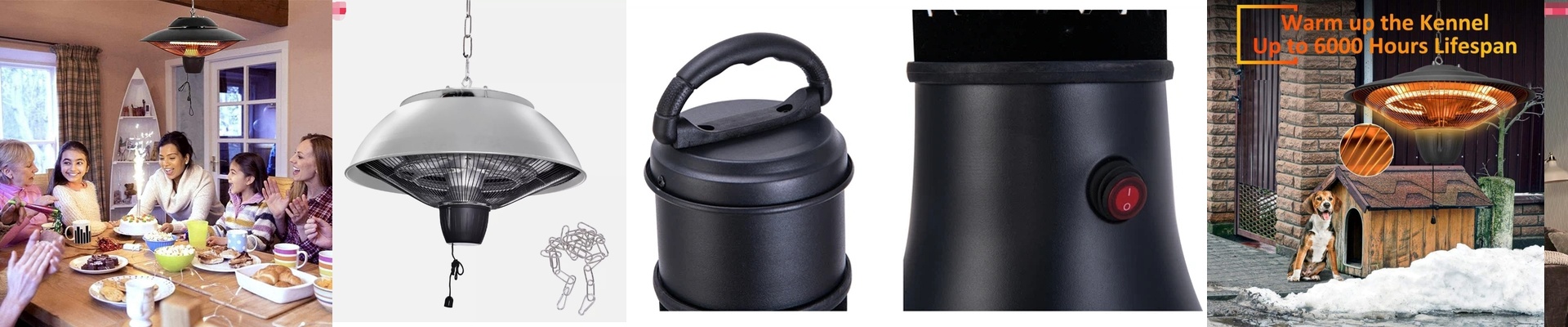
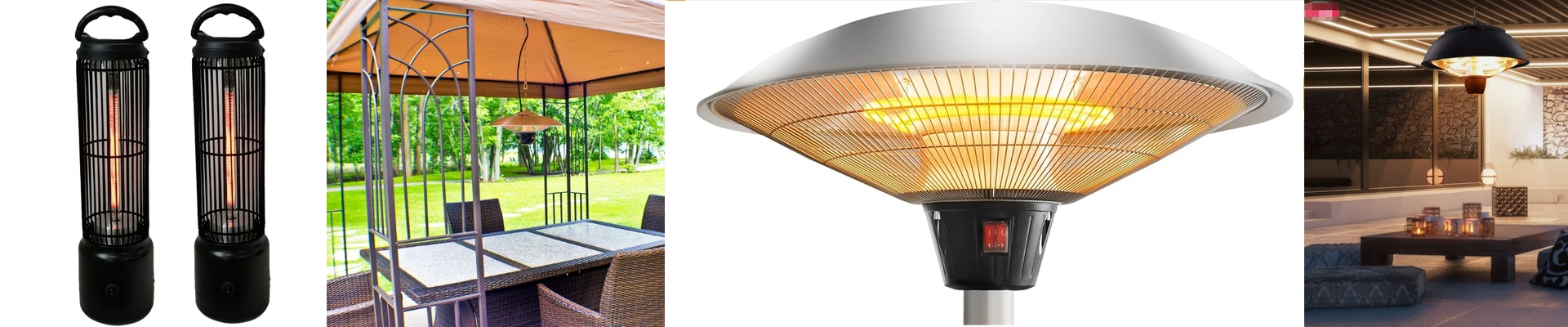
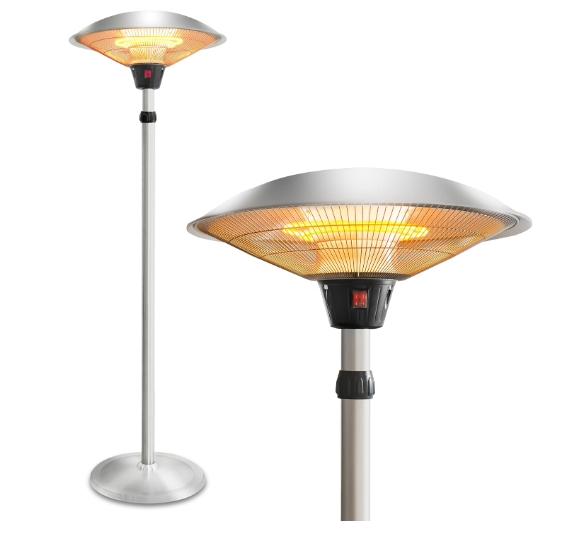
A nursery at bedtime should feel hushed and steady—not drafty, dry, or noisy. When the temperature dips, parents get stuck between two bad options: fire up a fan heater and deal with air movement and oxygen draw, or leave the room too cool. Infrared electric heaters change that. They deliver warmth without circulating air, and they do it quietly because there’s no fan. Here’s what matters technically. Infrared heaters warm people and surfaces directly, the way the sun does. Inside, a carbon fiber or quartz element turns electricity into radiant heat that travels outward and gets absorbed by skin, clothing, and furniture. That approach sidesteps the two biggest comfort trade-offs of convection heaters: no blowing air to dry out nasal passages, and no combustion, so oxygen levels stay stable. In practice, you feel the heat within seconds, not minutes. Many models run at 800–1500 W on a standard outlet, with a built-in thermostat for steady room temperature and tip-over protection for peace of mind. Why this works in a nursery. For homes with infants, the advantages are practical. No oxygen consumption means you avoid that stuffy, stale feeling that comes from heaters constantly pulling in room air. No fan means the background noise stays low, so sleep and feeding routines aren’t disturbed. The warmth is even and gentle, helping keep little ones comfortable without temperature swings. As an electric heater supplier in China, we build these units around nursery realities: stable heat, low sound, and safety features that matter. A few things to know. Infrared heat is most effective in line-of-sight, so position the heater to warm the crib area and the caregiver chair directly. Keep a safe clearance around the unit and use a grounded outlet. For whole-room comfort in larger spaces, pair an infrared heater with gentle air movement from a ceiling fan on low. You get the quiet, oxygen-free benefits of radiant heat, plus more even distribution.