Making Your Towel Rails Actually Smart
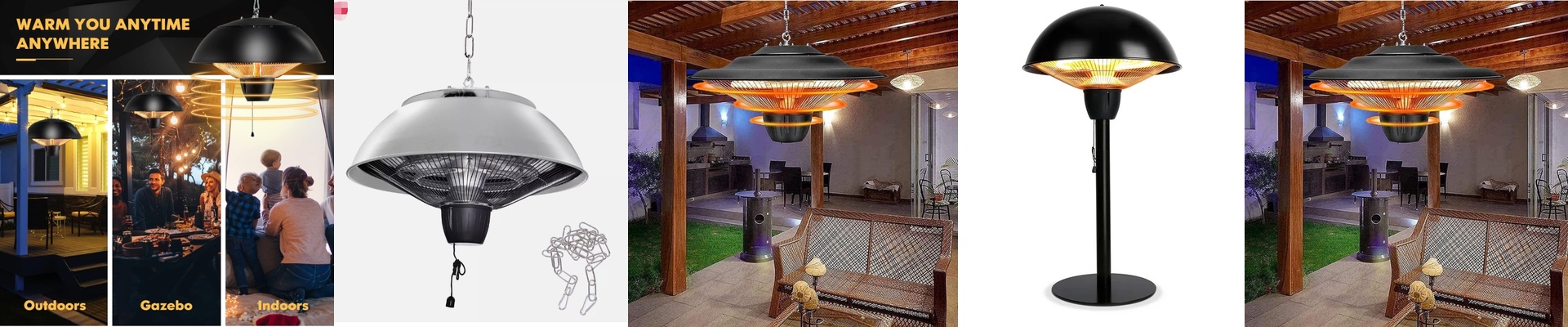
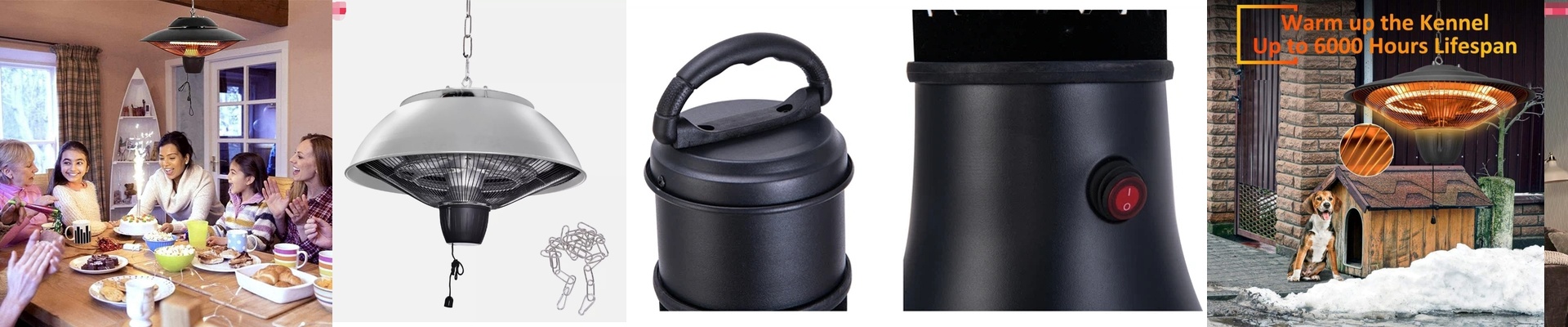
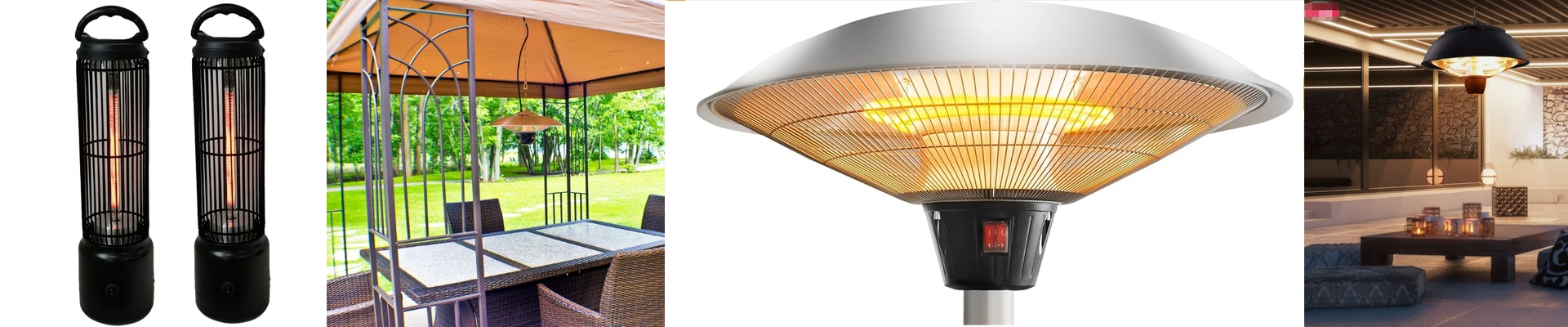
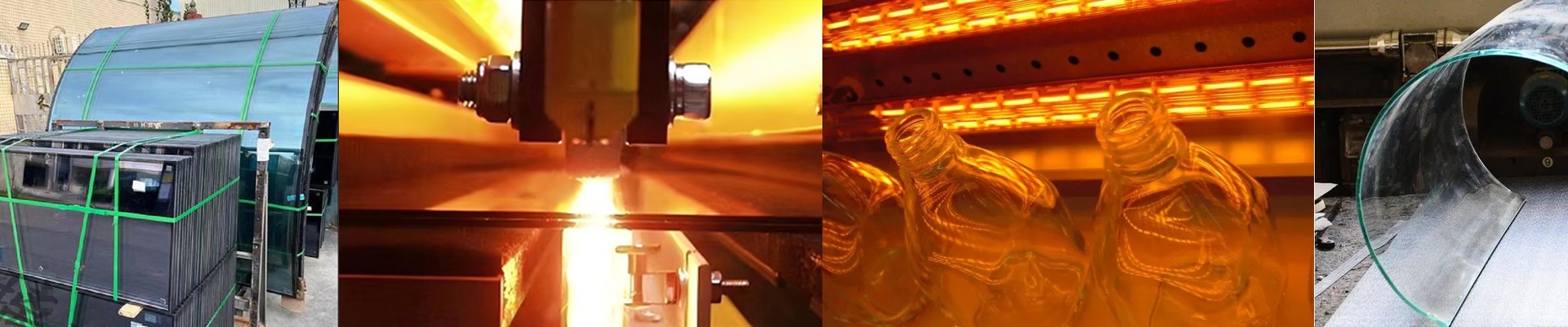
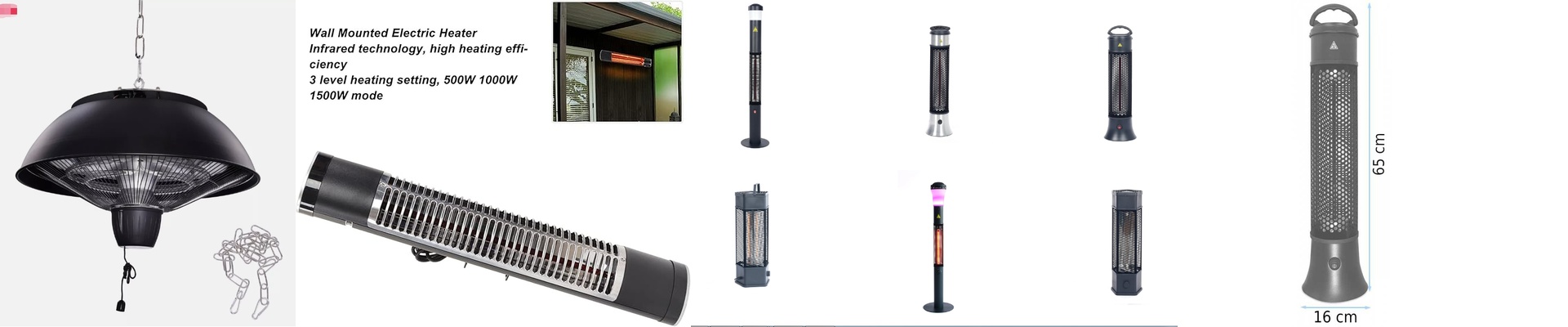
Most towel rails are honestly a bit sluggish. They either rely on hot water pipes or try to warm up the entire room’s air, which takes forever. We do things differently. By using short-wave infrared (IR), we skip the air entirely and send heat straight into the fabric of your towel and your skin. It means the second you step into the bathroom, it feels warm. No more shivering while you wait for the room to catch up.
Getting it to play nice with your home
To get these heaters talking to your smart home hub, you just need a solid relay or a TRIAC dimmer. We usually wire the IR elements into a controller that supports Zigbee or Matter. Here’s the best part: you can tie it into a “Morning Routine” scene. You wake up, and by the time you’ve brushed your teeth, the rail is already at peak temperature. It happens almost instantly. Unlike those heavy cast-iron radiators that take an hour to get going, IR doesn’t have that “thermal mass” problem. You flip a switch, and you get heat. Right now.
The nitty-gritty (and how to avoid mistakes)
There are a couple of things to watch out for. First, you need a power supply that can handle the initial kick. IR lamps pull a lot of juice the moment they turn on. If you use a cheap, under-powered smart relay, you’re looking at blown fuses or welded contacts. Stick with heavy-duty relays rated for 16A. It’ll save you a massive headache. Then there’s the placement. Since IR heat travels in a straight line, where you put the rail matters. Put it too close to some plastic fixtures? They might warp. Too far away? You lose that cozy, instant feeling. It’s all about finding the sweet spot.
Why this actually makes sense
When you set this up right, you stop wasting energy. Instead of leaving a heater on for hours just to keep the room lukewarm, you just run a high-intensity burst for 15 minutes before you need it. It’s faster, it’s warmer, and it’s a lot kinder to your electric bill.