Making Your Patio Heaters Actually Smart
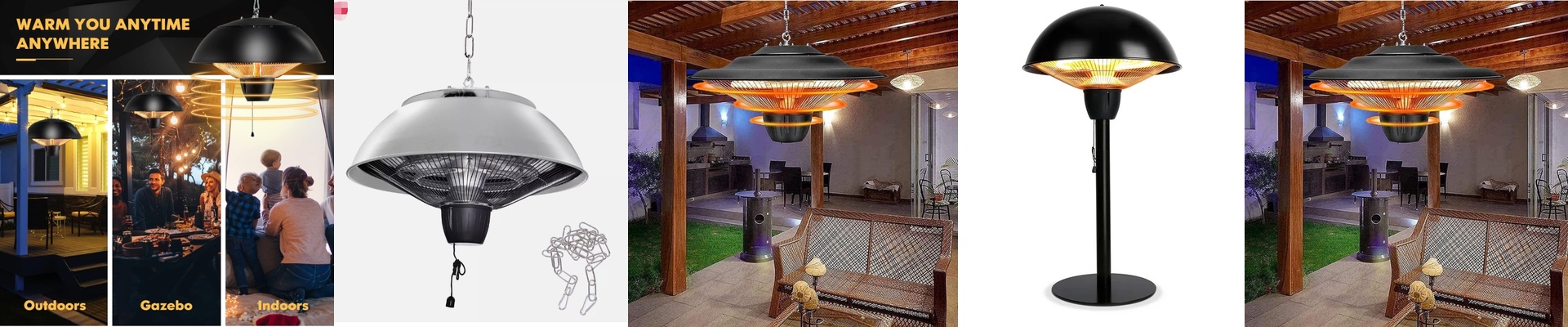
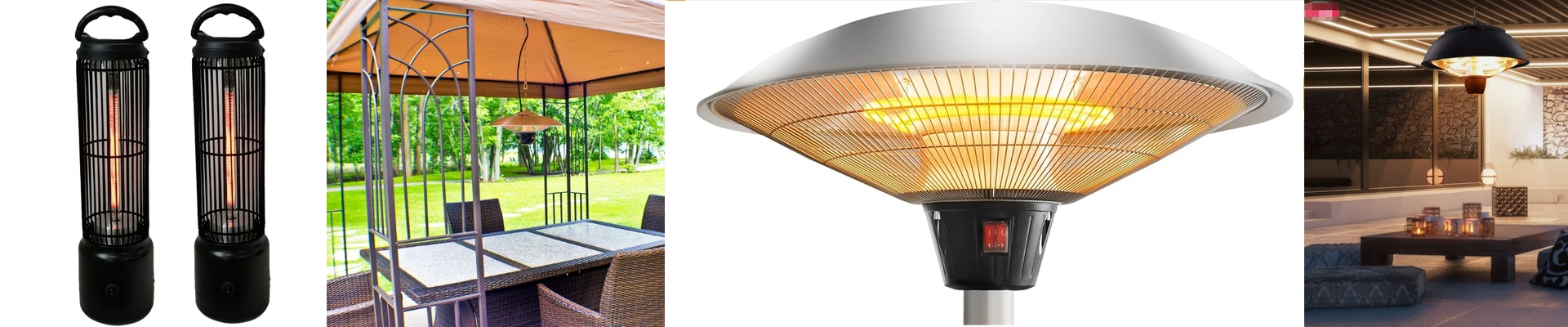
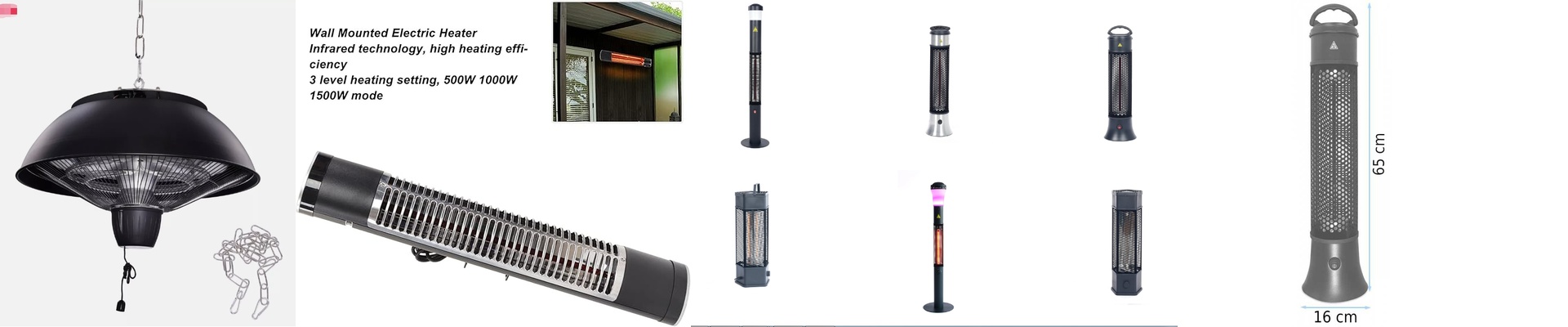
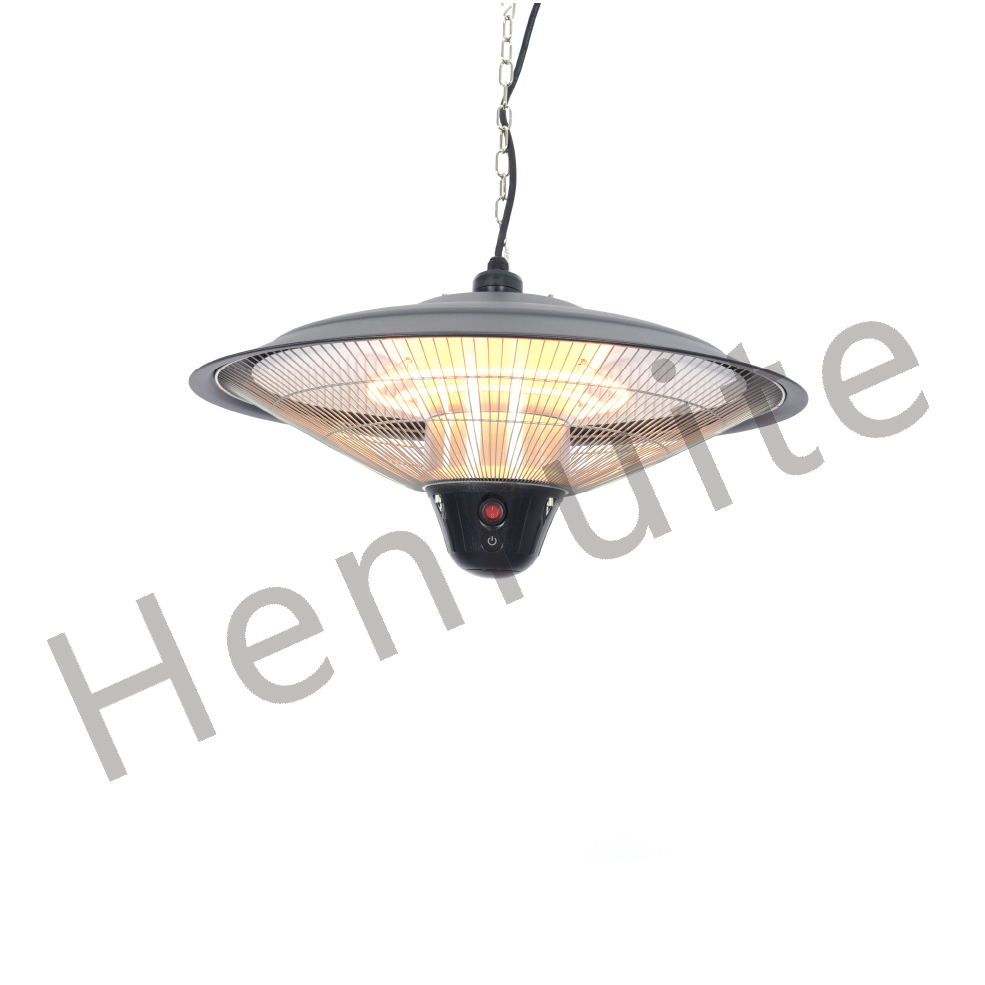
If you’re running a nightclub patio, you know the struggle. You can’t just blast a space heater and hope the wind doesn’t blow the warmth away. You need heat that hits your guests the second they step outside. That’s why we lean on shortwave infrared. It doesn’t waste time trying to warm up the chilly night air; it goes straight for the people. And when you hook that up to a smart home or building system, you stop messing with clunky wall switches and start managing “zones” of warmth.
Instant Heat, No Waiting
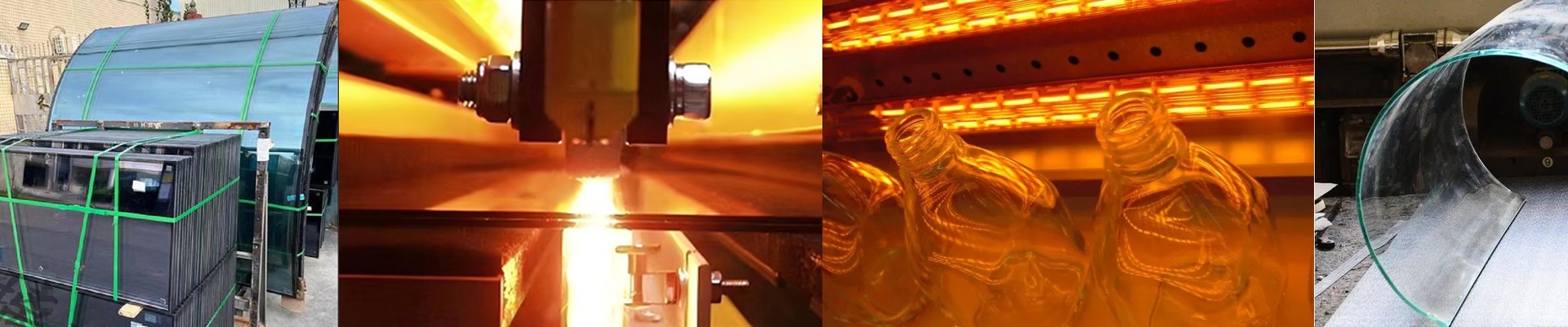
The goal is to go from freezing to cozy in a heartbeat. To do that, you need some serious power and relays that can keep up. We usually wire these heaters using Zigbee or Matter. It’s simple. You tap “Winter Mode” on a tablet, and the infrared arrays kick in. No humming, no waiting for a coil to glow—just instant warmth. It’s like stepping into a patch of sunlight in the middle of January.
Keeping the Water Out
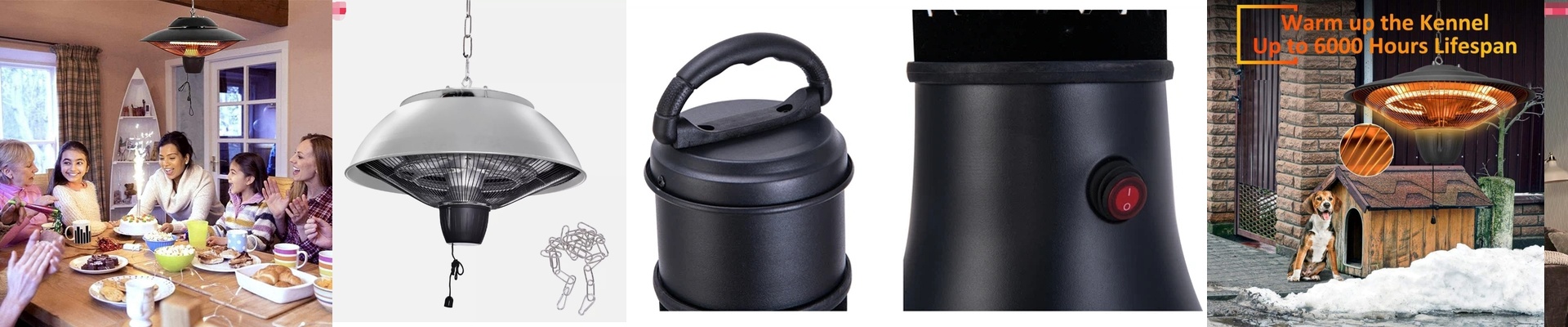
Let’s be real: the outdoors is brutal on electronics. Rain, humidity, and salt air want to destroy your gear. To stop a short circuit from ruining your night, we only use IP65-rated enclosures. Basically, the heating elements and all the electrical junctions are sealed tight against the rain. We use heavy-duty gaskets and alloys that won’t rust away after one season. And please,do not skip the GFCI protection. Mixing high-voltage heaters with rain is a recipe for disaster if your wiring isn’t spot on.
The Catch (And How to Fix It)
Here’s the thing: adding “smart” tech to high-power heaters adds a bit of a headache to your electrical plan. If you’ve got twenty 2kW heaters, the amount of electricity they pull at once is massive. If your breakers or wire gauges are too thin, you’re going to be tripping switches all night. And a word of warning: cheap smart switches will literally melt under this kind of load. They just can’t handle it. The trick is to use the smart controller to trigger a heavy-duty contactor. Let the big hardware do the heavy lifting, and let the smart chip just handle the “on/off” signal. Your equipment—and your nerves—will thank you.