More Than Just a Warm Bathroom
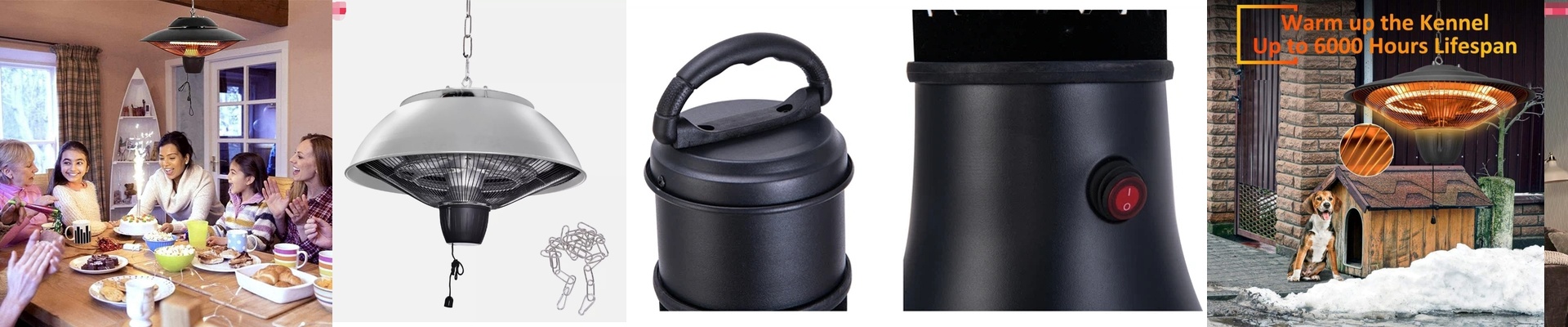
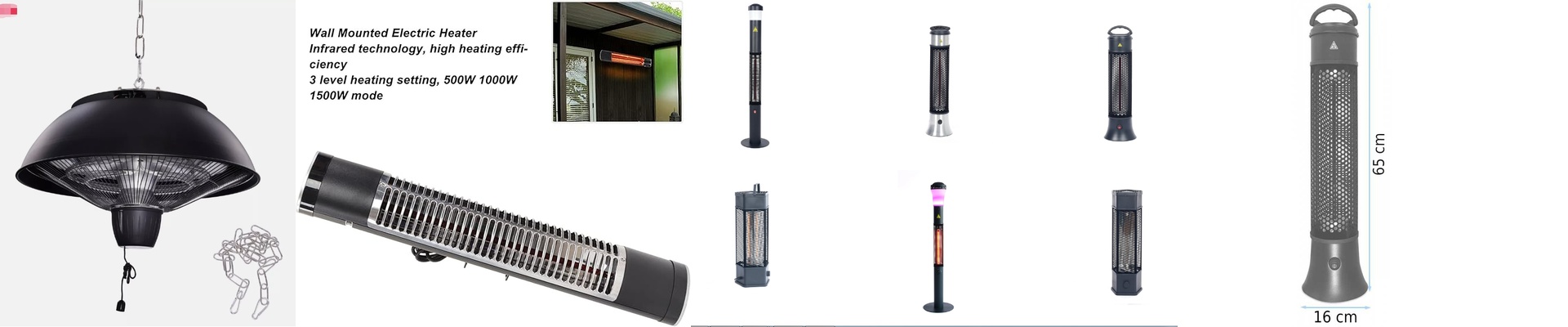
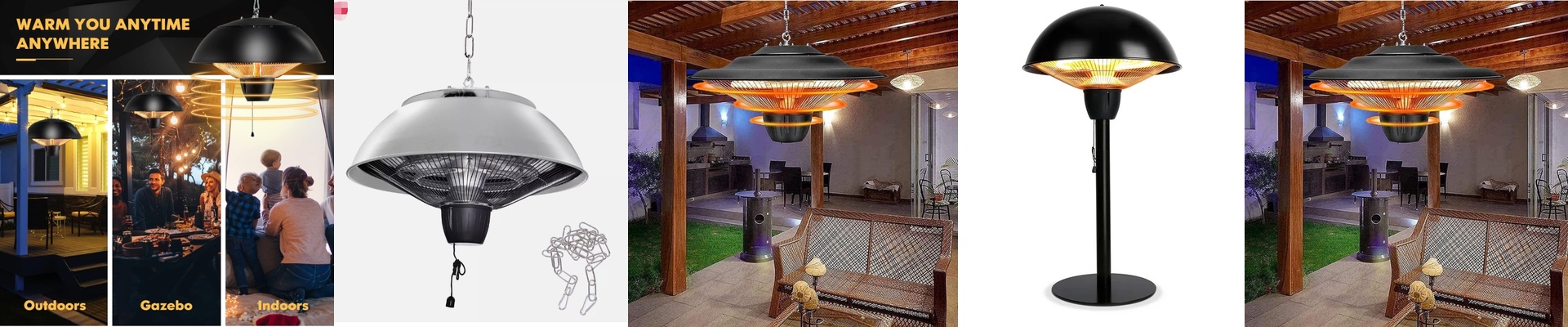
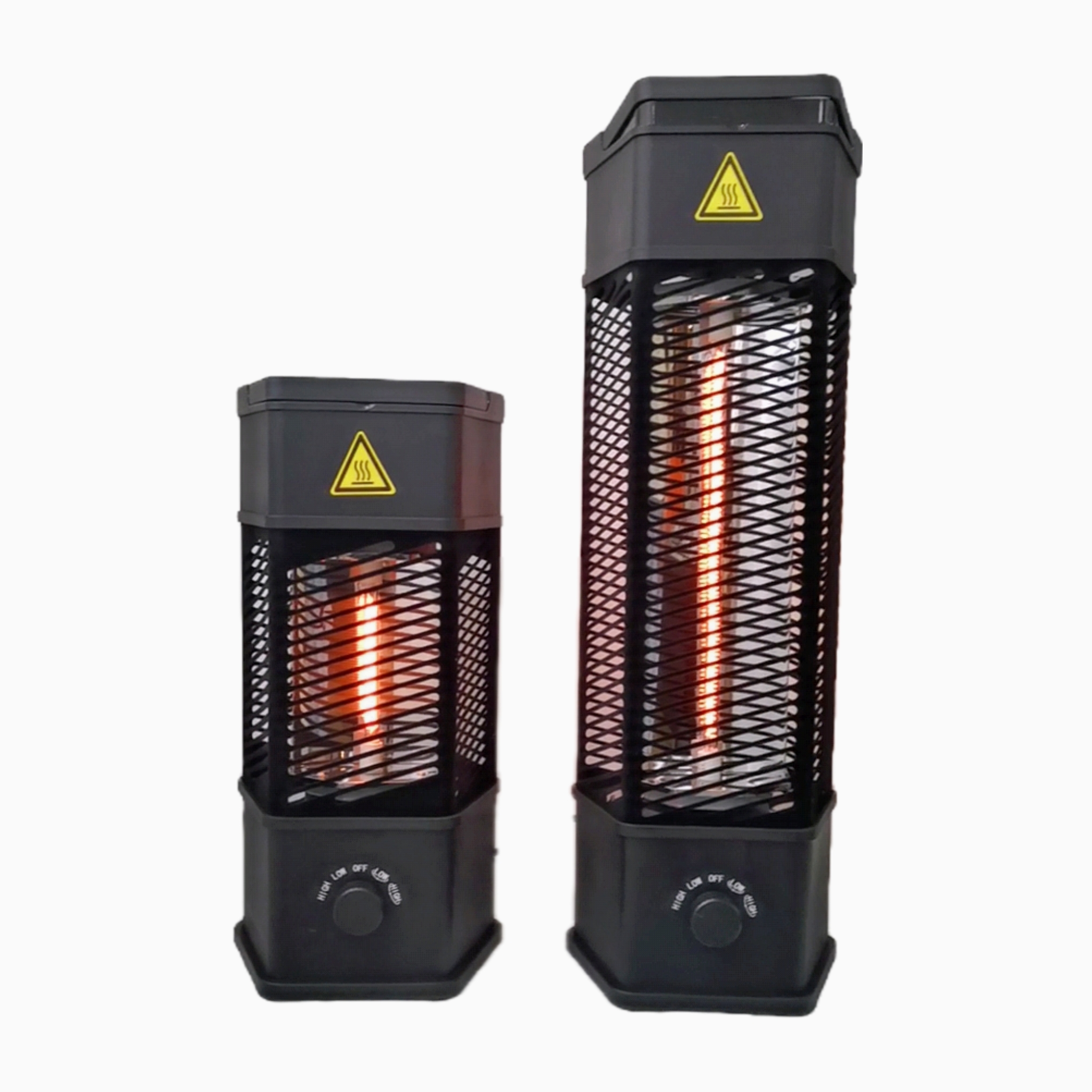
Most people think of a bathroom heat lamp as a way to keep from shivering while they get dressed. But we see it differently. We’ve built these units to do a lot more than just fight the morning chill. By using shortwave infrared (IR) tech and a tough, water-resistant shell, these heaters actually help tackle the mold problem before it even starts.
Why the “Science Stuff” Actually Matters
Here is the thing: most heaters just warm up the air. Our shortwave IR emitters are different. They go straight for the walls and floors. When those surfaces get warm, the dampness sitting on them just… disappears. It evaporates. Mold loves a damp, stagnant corner to call home. By keeping your walls dry with targeted heat, you’re basically making your bathroom a place where mold can’t survive. It’s a simple way to dry out the room without needing a massive, noisy dehumidifier.
Built to Survive the Steam
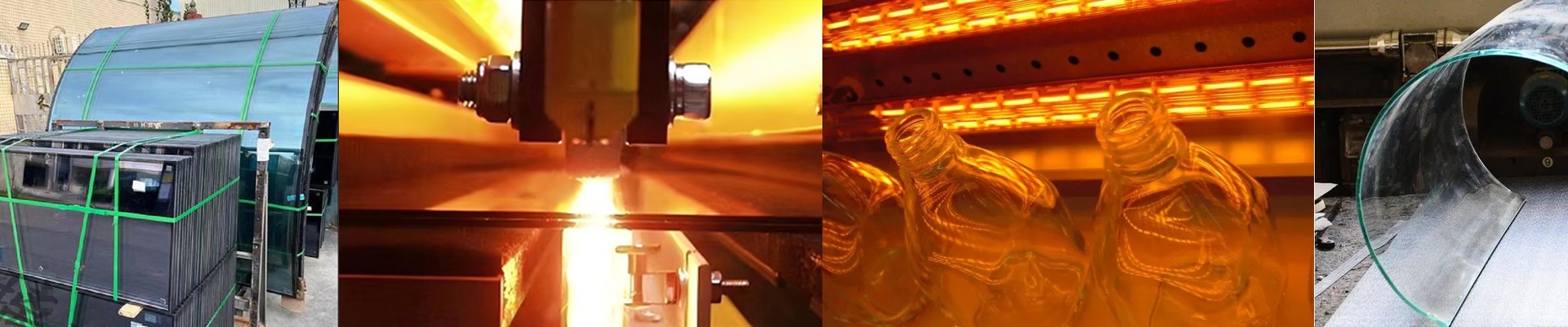
Let’s be honest—bathrooms are absolute nightmares for electronics. Between the steam and the occasional splash, most heating elements just burn out. That’s why we use IP65-rated housing. In plain English? It’s dust-tight and can handle a direct spray of water without flinching. The heart of the unit is the quartz glass tube. We use high-purity quartz so the heat gets through without any interference. If you try to swap these out with some cheap, non-rated part, the seal will likely fail. Once moisture hits that red-hot filament?**Pop.**The tube shatters from the thermal shock. Not a great way to start your morning.
A Few Things to Keep in Mind
These lamps pack a ton of heat into a tiny space. You get that “instant warmth” feeling, which is great, but it means the glass gets incredibly hot. Make sure you leave plenty of breathing room when you mount the fixture. You don’t want to melt your plastic trim or, worse, accidentally burn someone. And a quick tip on the wiring: give these their own dedicated circuit. High-wattage IR lamps pull a lot of power. If you’ve already got a heavy-duty exhaust fan and a bunch of lights on the same line, you might find yourself tripping your breakers.