
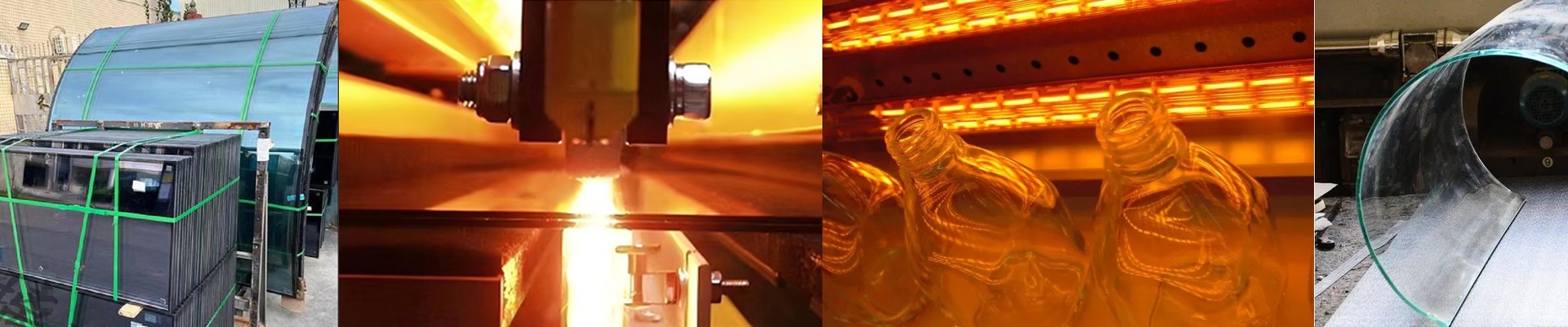
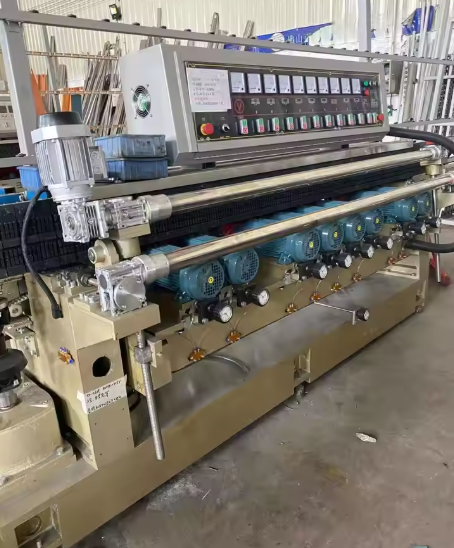
On the tempering line, the forehearth is where the whole run lives or dies. If you get a cold streak, a slow drift, or uneven heat across the ribbon, you’ll see it right away—optical distortion, edge stress, and breakage when the glass hits the quench. We built the forehearth heating elements to keep the glass moving through a uniform thermal field, so the furnace profile stays locked and the output is repeatable, stack after stack. What matters, technically We run short-wave quartz infrared elements—fast response, tight power control. Typical specs: 230–460 V, 2–8 kW per module, sized to match the forehearth width. The quartz tube has low mass and runs hot, so the control system can correct within seconds when the glass load or line speed shifts. Emissivity holds up across repeated thermal cycles, and the heater geometry is laid out to spread the energy evenly, so you don’t get hot and cold bands. The connections are industrial-grade, built for the thermal shock that comes with life on a glass line. Why this works in tempering In tempering, the glass has to be at the right temperature before it hits the quench. These forehearth elements bring the heat up fast and hold it precisely, so you can run tighter recipes without chasing the setpoint. The payoff is fewer rejects from thermal stress, more consistent flatness, and break patterns that behave the way you expect. Energy use comes down because the element heats on demand and holds setpoint without overshoot, and cycle time stays steady when the forehearth keeps pace with the furnace. Here is what you need to watch These elements are engineered as drop-in replacements for standard forehearth zones, but alignment and clearance are non-negotiable. The quartz tube is tough, but brittle—mount it without over-torque and keep it clear of mechanical impacts. Expect peak output near the end of life after extended high-temperature exposure; plan replacement intervals around your duty cycle and temperature setpoint. Match the control strategy to how the element actually responds, or you’ll spend your day chasing oscillations instead of stability.