
Stop Fighting Bathroom Mold With a Scrub Brush
Most people think bathroom heat lamps are just there to keep you from shivering when you step out of the shower. But we looked at them differently. We figured out that if you play around with the infrared spectrum, you can actually kill the moisture problem before the mold even gets a chance to move in.
How it actually works
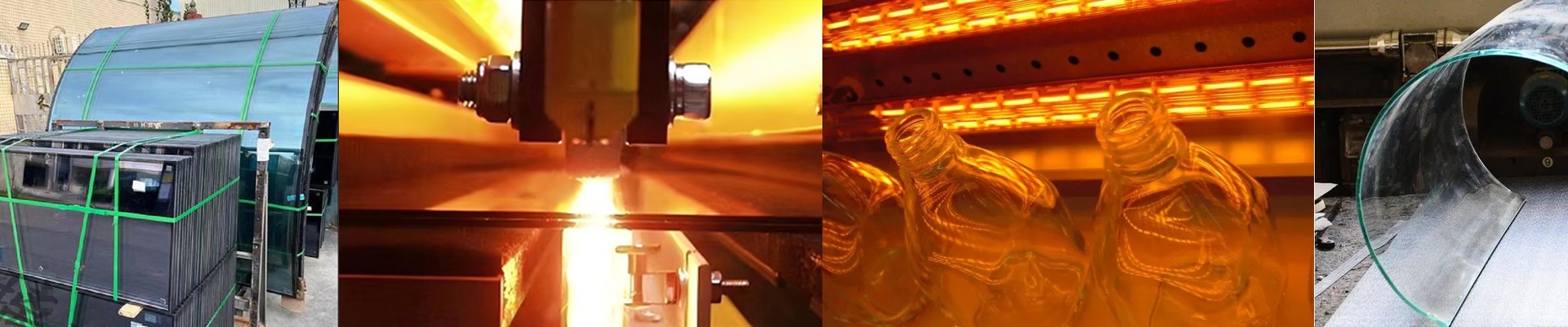
Standard heaters just warm up the air. That’s fine, but it doesn’t really solve the dampness. We use short-wave infrared (SWIR) instead. Here’s the thing: these waves don’t care about the air. They go straight through to the surface and start vibrating the water molecules. When you flip the switch, the energy hits those damp tiles and grout lines, heating them up fast. That liquid water has nowhere to go but up—it evaporates into the air, and your vent fan whisks it away.
Killing the “Cold Spots”
Mold loves those stagnant, damp corners where air doesn’t move. It’s basically a paradise for spores. Our lamps fix this by warming up the walls and ceiling. By keeping the surfaces warm, we get rid of those chilly spots where condensation usually clings. If the wall stays warm enough, water simply can’t settle there. And if there’s no liquid water, the mold has nothing to hold onto.
A quick heads-up on gear
Fast heat is great, but it gets intense. You can’t just throw any materials in there. If you use cheap plastic near the bulb, it’s going to warp or start smelling like burnt chemicals. That’s why we stick with aluminum reflectors. They do two things: they bounce the rays exactly where you need them, and they keep the lamp housing from overheating.
Getting the most out of it
If you want your bathroom to actually stay dry, don’t just point the lamps at the floor. That’s a waste. Angle them toward the “danger zones”—the shower walls and the corners. It turns your bathroom into a dry zone. It’s a mechanical fix for a biological headache. Just keep the air moving, and let the infrared do the heavy lifting.