Making Bathroom Mirror Heaters That Actually Last
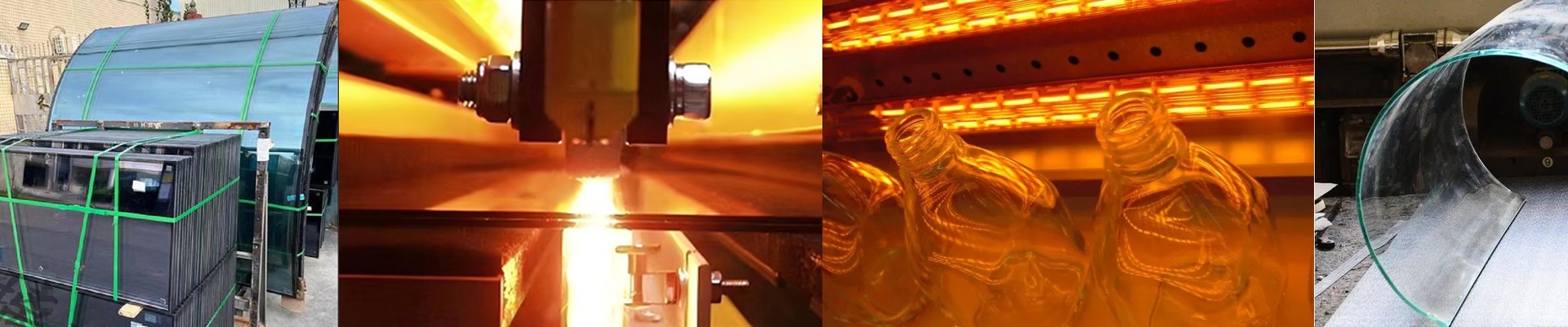
Let’s be honest: bathrooms are a nightmare for electronics. Between the steam, the humidity, and the occasional splash of water, most heating elements just give up. They rust, they short out, and they die. We got tired of that, so we built our infrared mirror heaters to actually survive the environment. The battle against the fog We’ve all been there—you step out of a hot shower and the mirror is a total blur. To fix this, we use shortwave infrared emitters that heat the glass itself. Instead of using a loud fan that just pushes damp air around the room, we put the heating element right behind the mirror. It warms the surface just enough to keep the water vapor from sticking. You get a clear reflection almost instantly. It’s simple, quiet, and it just works. Keeping the water out Water getting inside the wiring is usually what kills these units. To stop that, we don’t cut corners. We seal every electrical connection with high-temp silicone gaskets and moisture-resistant potting compounds. Basically, we’ve created a sealed system. Even if your shower spray is hitting the unit directly, the internals stay bone-dry. No leaks, no capillary action pulling water into the circuitry, and no sudden failures. Finding the sweet spot There is a bit of a balancing act here. We want the mirror to clear fast, which means we need a decent amount of heat. But if you crank the heat too high, you can put too much stress on the glue holding the mirror together. If you’re installing these on a massive mirror, just make sure you’re using tempered glass. It handles the heat expansion much better and keeps everything safe. These are designed to slide right into your existing vanity setup. Just a heads-up: please make sure your grounding is solid. Since we’re dealing with water and electricity, you’ll want a GFCI-rated circuit breaker. It’s the only way to handle the load of an infrared element safely. Doing things this way—focusing on the sealing and the heat management—means your mirror lasts for years, not just a few months.