Stop Letting Your Patio Go to Waste This Winter
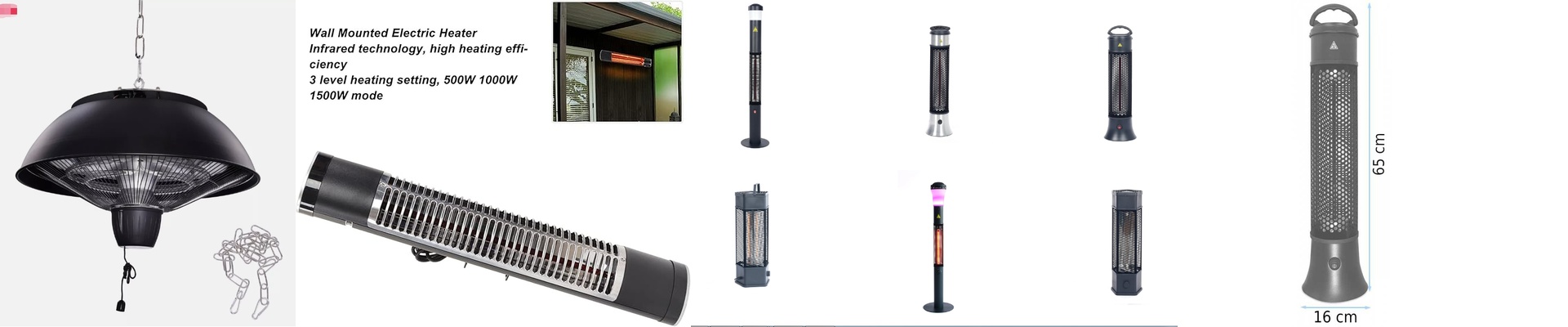
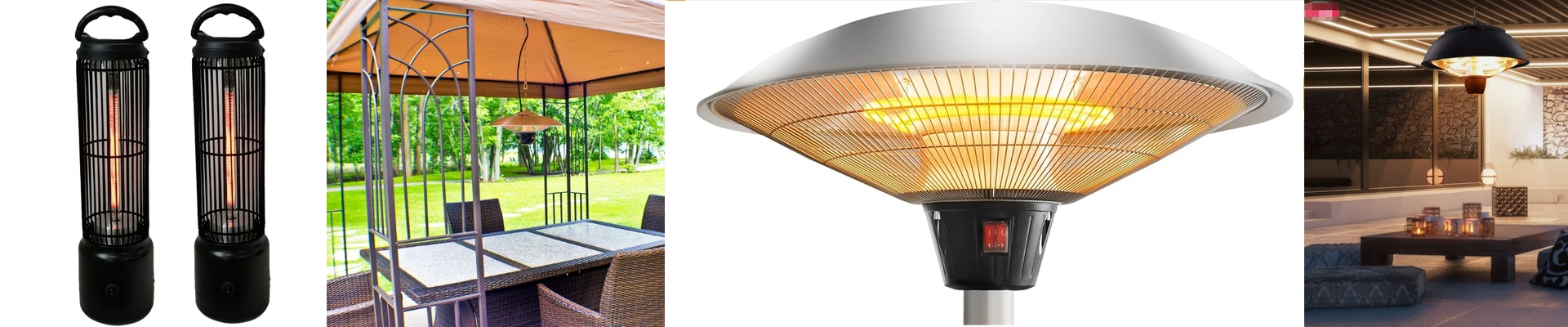
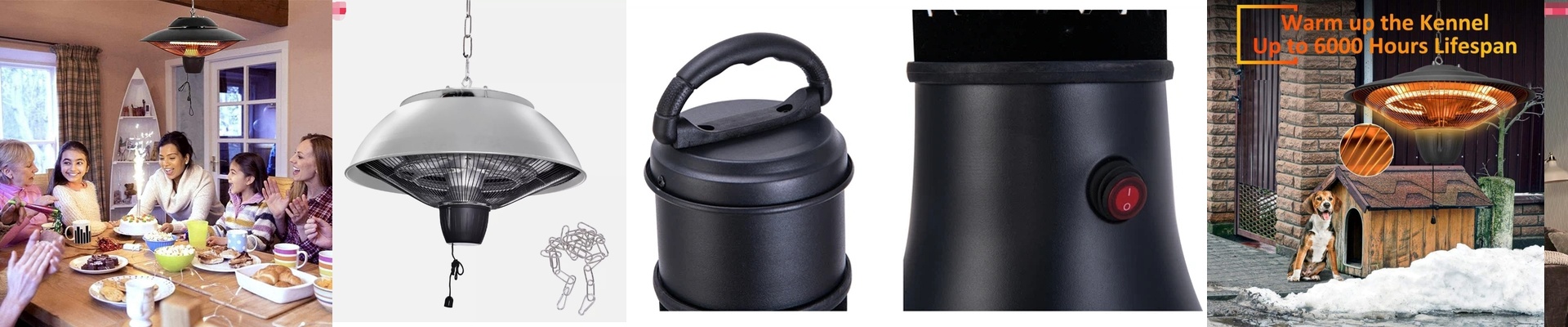
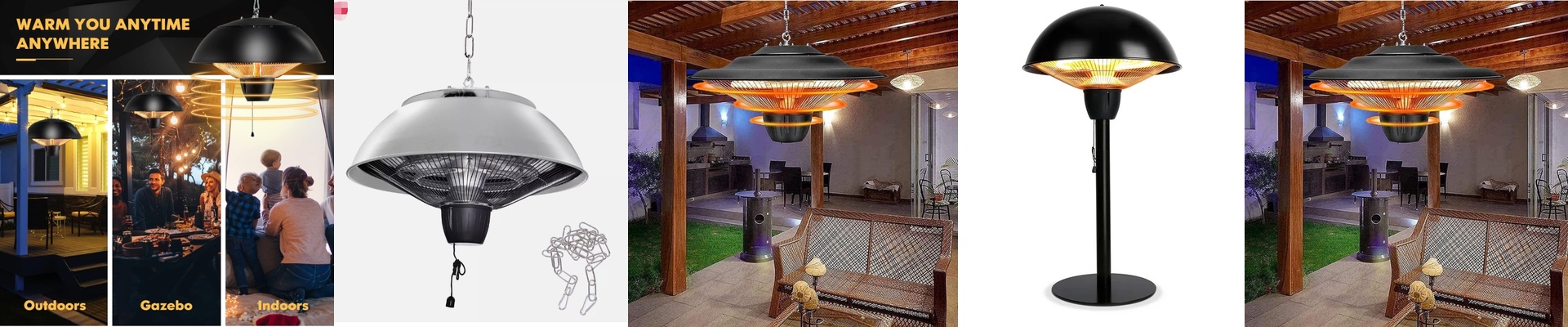
It’s a frustrating sight: a beautiful outdoor seating area that sits completely empty the second the temperature drops. Most people try to fight this with forced-air heaters, but here’s the problem—you’re basically trying to heat the outdoors. One gust of wind and all that expensive warmth is gone. That’s why we use shortwave infrared. Instead of fighting the wind, these heaters go straight for the people. It’s like stepping into a patch of sunlight on a crisp day. You feel it instantly. Why this actually makes you money When your guests are shivering, they do one thing: they leave. They rush through their main course and skip dessert just to get back inside where it’s warm. But when they’re cozy? They linger. They order that extra round of drinks. They actually look at the dessert menu. By keeping the “chill factor” away, you’re not just making them comfortable—you’re keeping them in their seats longer, which naturally bumps up your average check. Getting the setup right You can’t just slap these units up and hope for the best. You have to think about “throw distance.” If you space them too far apart, you end up with cold spots, and suddenly half your patio is a no-go zone. We usually overlap the heat zones to create a consistent blanket of warmth across the whole space. One big heads-up: watch your power. These things pull a lot of juice. If you plug ten of them into one old panel, you’re going to trip a breaker in the middle of a dinner rush. We usually run dedicated circuits for every three or four heaters. It’s a bit more work upfront, but it beats having your patio go dark at 8 PM on a Friday. The real trade-off Look, there’s a catch. Wiring these into your ceiling or walls is a bigger investment than just buying a few propane towers. But you get to stop hauling heavy tanks and you don’t have that weird combustion smell lingering around your food. The only real downside is that your layout is pretty much locked in. Since the heat comes from a fixed point, you can’t just slide a table three feet to the left on a whim. If you move the table, you move the guests into the cold. Plan your floor map carefully, get the wiring done, and you’ve basically turned your patio into a year-round money maker.