Keeping Your Gazebo Warm Without Killing Your Heater
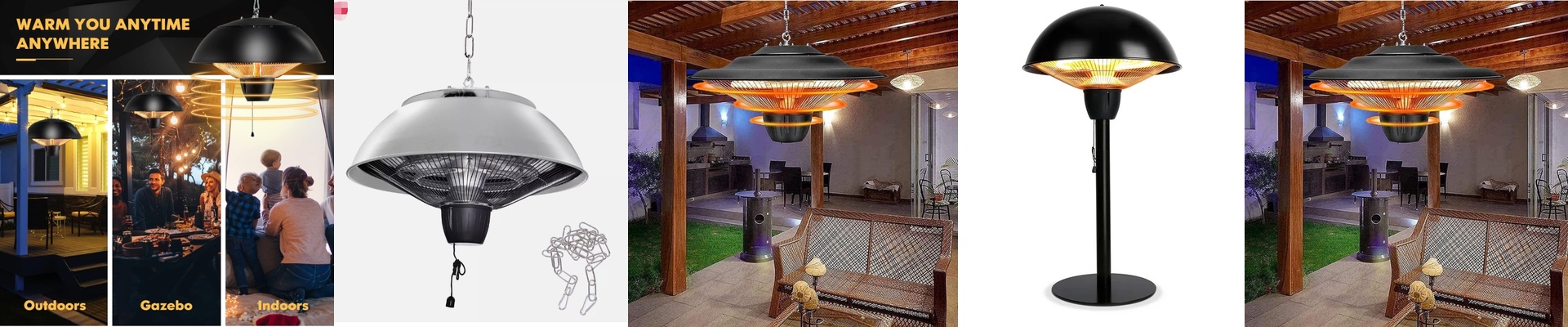
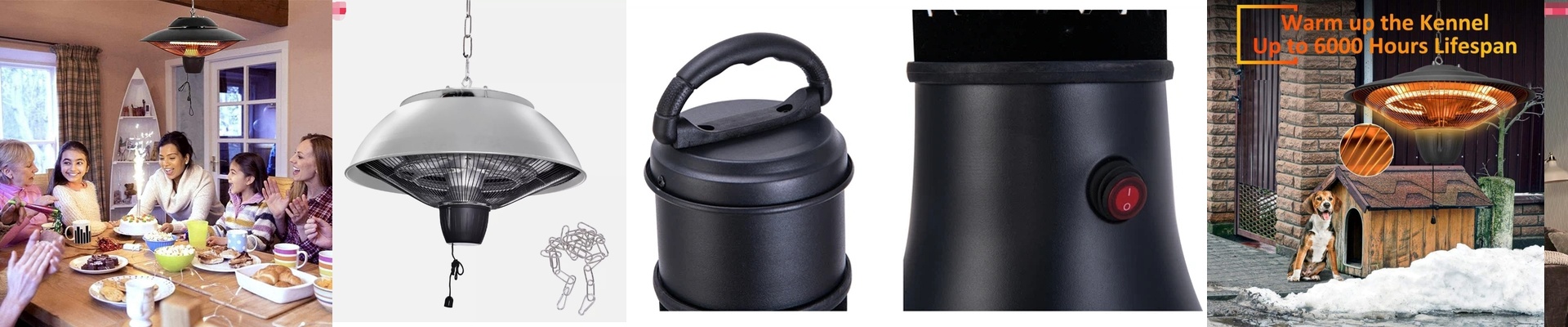
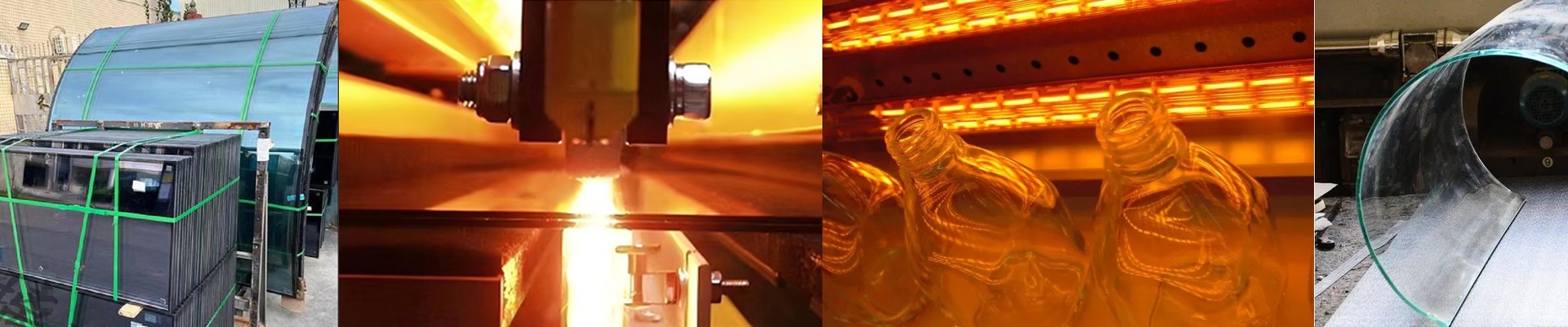
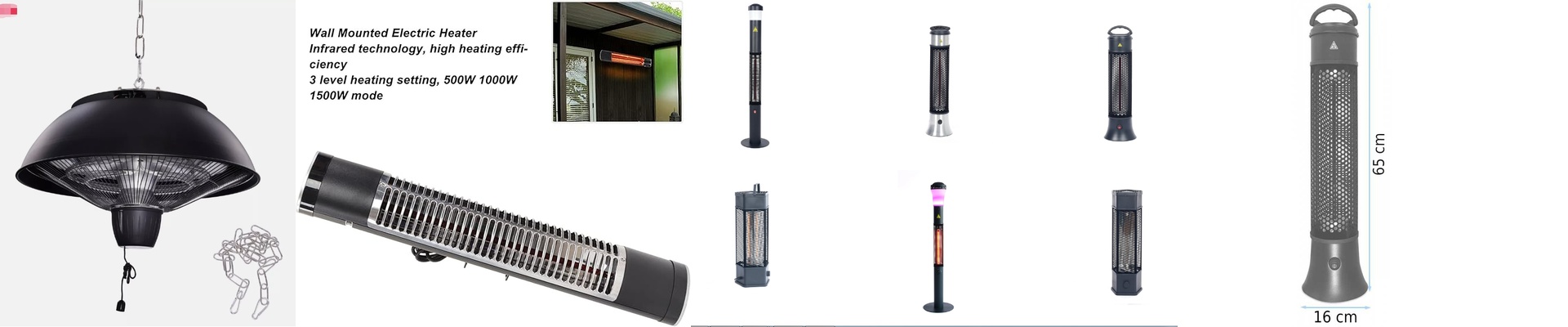
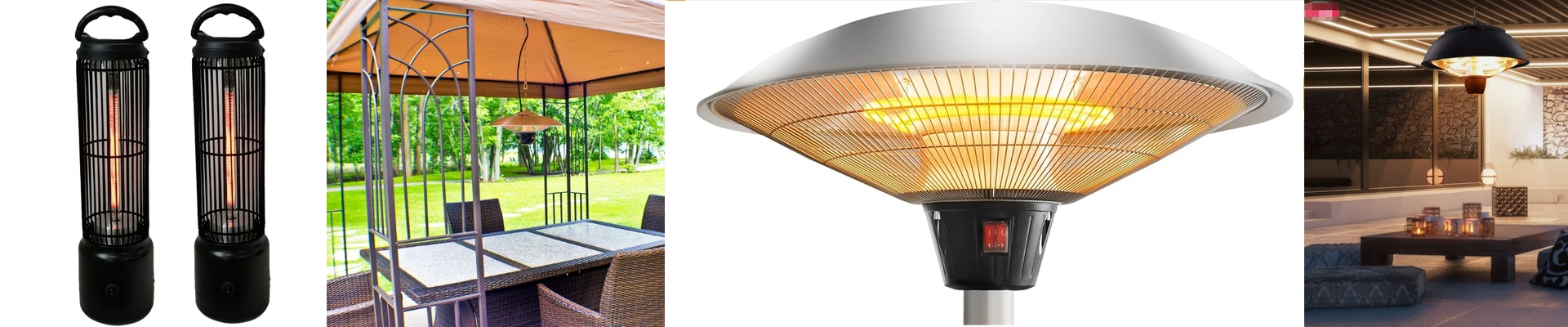
We built our 1500W ceiling heaters for one specific reason: semi-outdoor living. If you’ve ever put a standard indoor heater in a gazebo, you know how it goes. Between the morning mist, the humidity, and the occasional splash of rain, those units just can’t hack it. They short out or the heating elements rust away. It’s frustrating, and it’s a waste of money. Here is how we fixed that. We didn’t just throw a plastic cover over the electronics and call it a day. We actually thought about how air moves. We kept the internal circuitry separate from the heating element so condensation doesn’t create a bridge between electrical contacts. Plus, we used a sealed, IP-rated housing to keep water droplets far away from the power stage. Then there’s the glass. A 1500W heater puts out a lot of heat, which puts a lot of stress on the materials. We use high-grade quartz glass and a reflector that pushes the warmth straight down where you actually need it. But the real secret is the anti-fog coating. Without it, water vapor clings to the lens. When those little beads of water sit there, they create “hot spots” that can actually crack the glass. Our coating makes the water sheet right off. It keeps the heat steady and the glass intact. Just a heads-up on a few things. Because the unit is sealed to protect it from the weather, it runs a bit hotter inside than a cheap, open-frame heater would. Because of that, you can’t just smash it flush against a flammable ceiling. Give the mounting bracket some breathing room so the heat can dissipate. And a pro tip: wire this into its own dedicated circuit. You don’t want to be sitting in the freezing cold because you tripped a breaker during a winter chill. Do that, and you’ve got a heater that actually lasts for years, not just a few months.