Why your bathroom lights are actually fighting mold
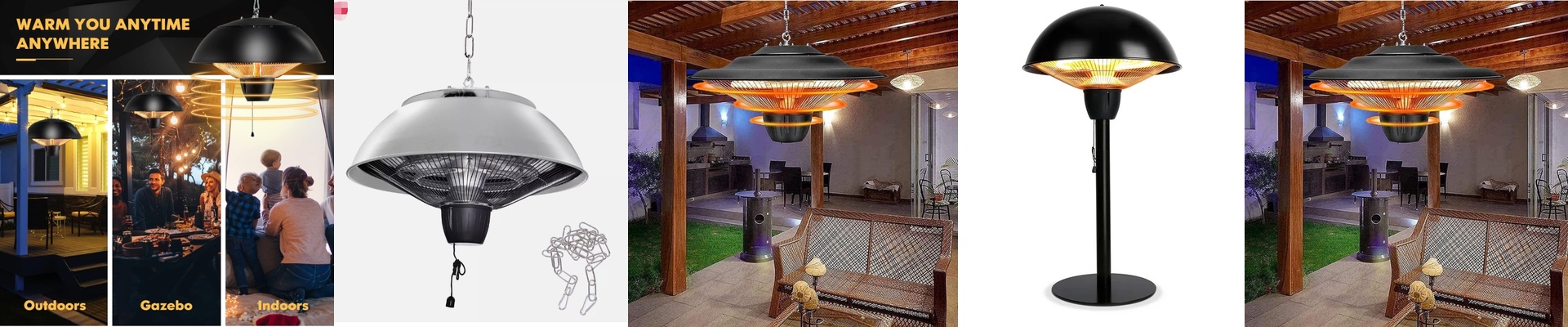
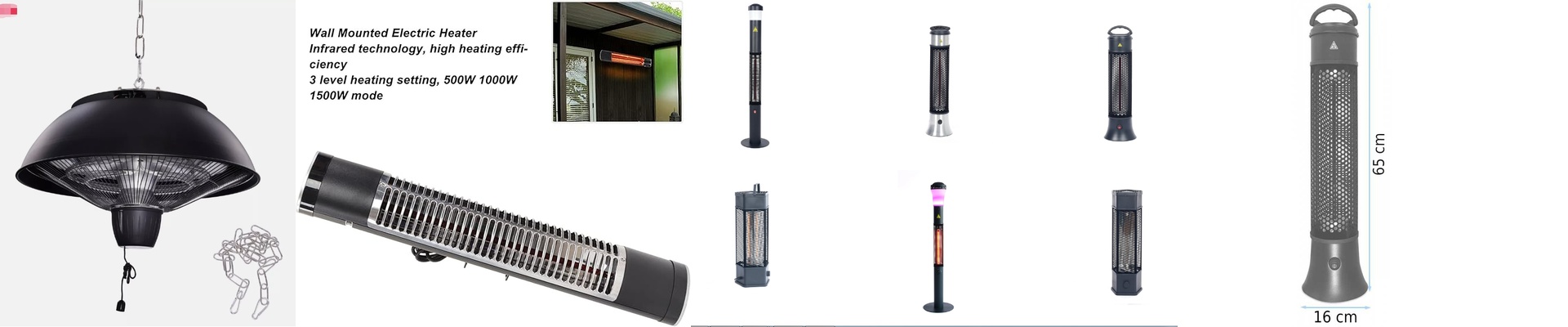
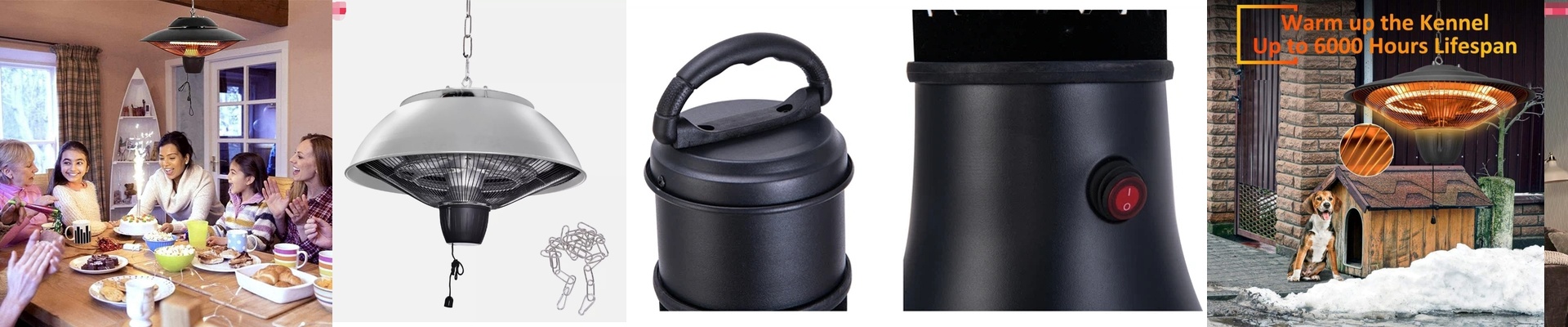
Most people think those heat lamps in the bathroom are just there to keep you from shivering while you dry off. But we look at them a bit differently. To us, they’re tools for fighting moisture. By tweaking the infrared (IR) light they put out, we can basically target water molecules and dry out your surfaces before mold even gets a chance to move in.
How it actually works
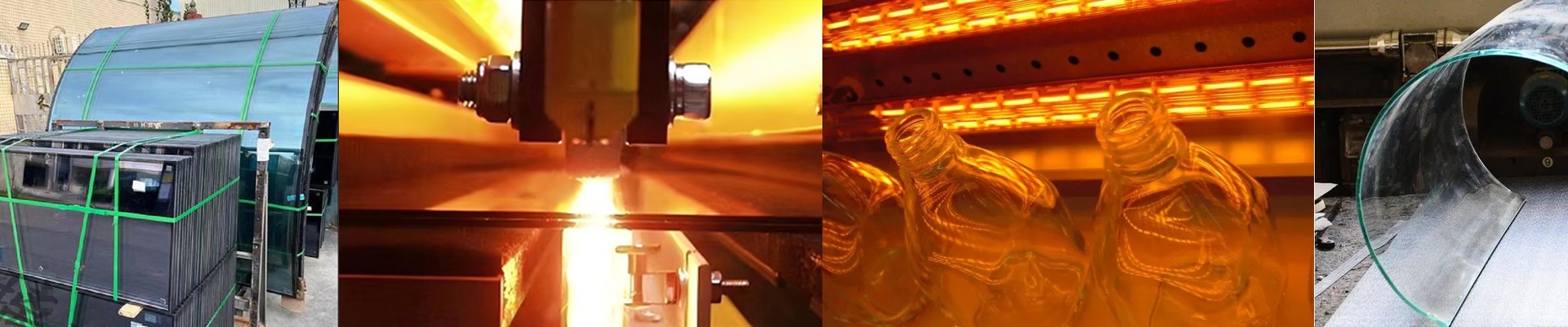
Here is the thing: most heaters just warm up the air. That’s fine, but it’s slow. We use short and medium-wave IR emitters that go straight for the source. Instead of heating the room, the energy hits the water droplets on your tiles and mirrors directly. It forces that moisture to evaporate way faster. When these are wired into your bathroom, they create a little “dry zone.” It breaks the cycle that mold spores love, meaning your grout and silicone seals stay clean and dry instead of getting that gross, fuzzy growth.
Keeping things clear
We specifically tune these lamps to hit the frequencies that water absorbs. This is why your mirror stays clear. By keeping the glass just above the dew point, you don’t get that annoying fog after a hot shower. We also use high-grade quartz for the bulbs. Why? Because if the glass degrades, the heat shifts, and you lose that efficiency. We want them to work just as well in year five as they did on day one.
A few things to watch out for
It’s not all magic, though. There are some trade-offs. Because these lamps put out intense, localized heat, you have to be careful where you put them. If they’re too close to cheap plastic fixtures or some low-end adhesives, things might start to warp. You’ve got to get the mounting distance right based on the wattage so you don’t accidentally bake your ceiling. And don’t forget your exhaust fan. The lamps do the hard work of turning liquid water into vapor, but you still need that fan to push the damp air out of the house.