Why We Put Bathroom Heaters Through “Steam Torture”
Let’s be honest: bathrooms are a nightmare for electronics. You’ve got this constant swing between blistering heat and thick, heavy steam. When that steam hits a cooling lamp, it turns back into water. And if there’s even a tiny gap in the seal? That moisture crawls right inside. That’s how you end up with a short circuit or a ruined filament.
Where things actually go wrong
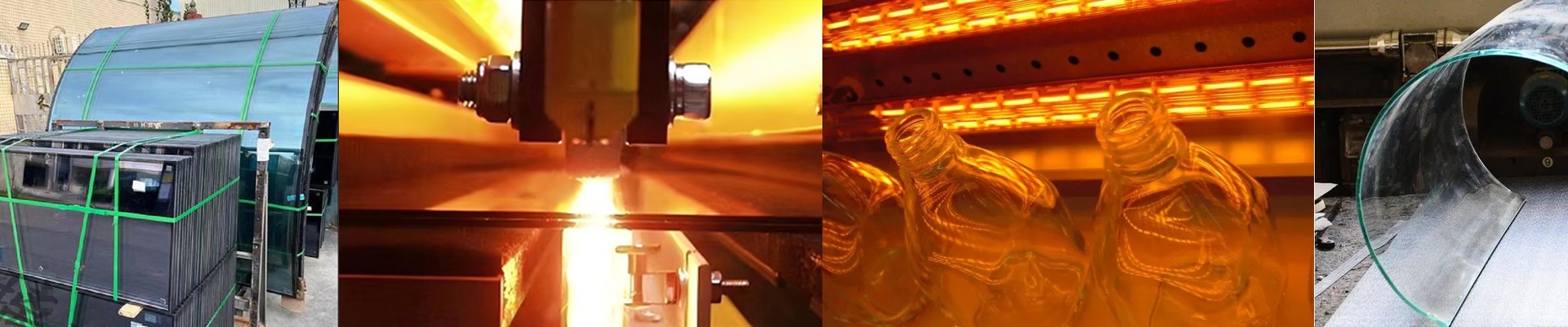
Most of these heaters rely on quartz glass and tungsten. They get hot fast—which is great—but the real trouble happens during those “in-between” moments. To make sure these things don’t die on you, we use damp-heat aging tests. Basically, we throw the units into a high-humidity chamber and cycle the temperatures over and over. We’re trying to force water into every single crack and crevice. If a seal is weak, the moisture will find it. Period. It leads to corroded wiring or terminals that just burn out. We don’t like guessing how long a product will last, so we just stress the components until they actually break. That’s the only way to know the real limit.
The tug-of-war: Water vs. Heat
Here’s the tricky part. Your first instinct for waterproofing is to seal the unit tight. Like, airtight. But infrared lamps generate an incredible amount of heat. If we seal them too well, we’re basically building an oven. The internal electronics cook themselves, or the housing starts to warp. It’s a balancing act. We use specific gaskets and hydrophobic coatings—stuff that pushes water away but still lets the unit breathe. You get a heater that won’t short out during a steamy shower, but also won’t melt its own brain.
The reality check
No seal lasts forever. It’s just physics; every gasket eventually wears down. Our aging tests give us a honest baseline. We know exactly when the seals start to give, and we share that data with you. That way, you can plan your maintenance and know exactly when it’s time to check the hardware before it becomes a problem.