
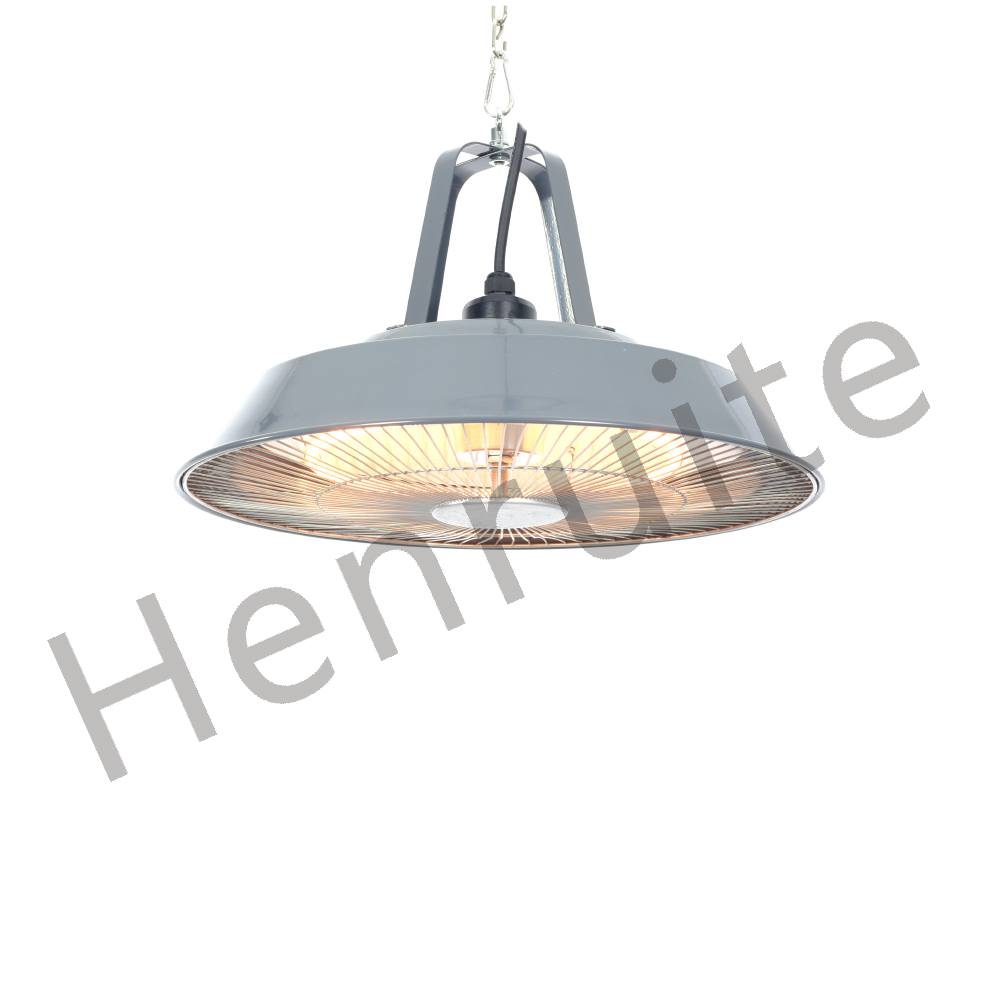
More Than Just a Warm Bathroom
When most people look at a waterproof infrared heater, they just see a way to stop shivering while they get dressed. But from where I sit, it’s actually a tool for fighting moisture. We don’t just want to make the room feel cozy. We’ve designed these things to hit mold where it lives.
Dealing with the Damp
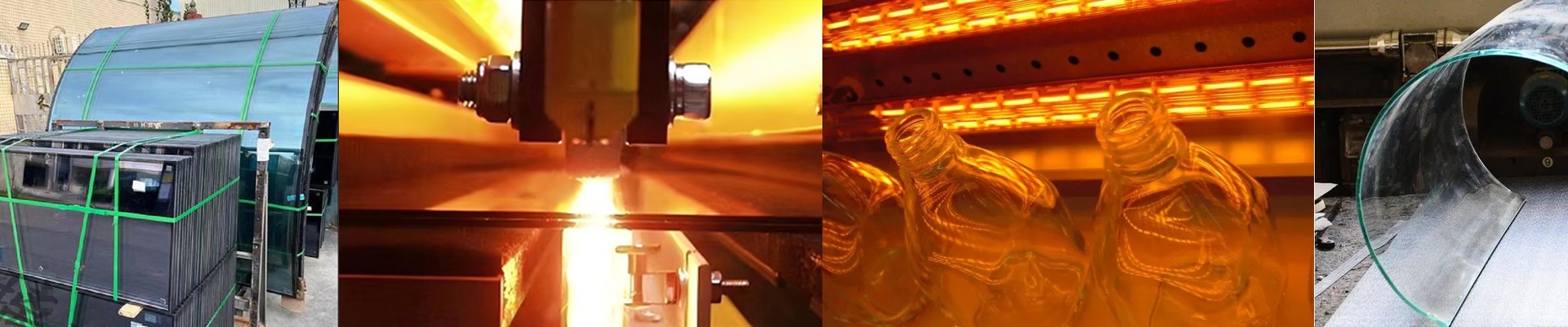
Here’s the thing about how these work: we use short-wave infrared (SWIR). Most heaters just warm up the air, but SWIR is different. It actually penetrates the surface. When those waves hit a damp wall or a foggy ceiling, they get the water molecules moving. Fast. This speeds up evaporation way more than a standard heater ever could. Mold loves a stagnant, soggy corner to call home. By drying things out quickly and keeping the surfaces warm, we basically starve the mold before it can even start.
Built for the Steam
Bathrooms are brutal on electronics. To keep things safe, we use IP-rated seals so moisture can’t sneak into the electrical bits. We also use quartz glass because it can handle the shock of turning on in a freezing, damp room without cracking. You’ll notice the units get really hot. That’s on purpose. We need that high surface temperature so the fixture itself never hits the “dew point.” If it stayed cool, water would condense on the heater and drip right back into the circuitry. Not ideal.
A Couple of Things to Keep in Mind
There are some trade-offs. These lamps give you instant heat, but they’re hungry for power. Just make sure your bathroom wiring can handle the peak load, otherwise, you’ll be tripping your breakers every time you want a warm shower. And placement is a big deal. Since the heat is directional, you have to be smart about where it goes. Mount it too low, and you’ll feel like you’re standing too close to a campfire. Mount it too high, and you lose that drying effect on the lower walls where the moisture usually hangs out.