
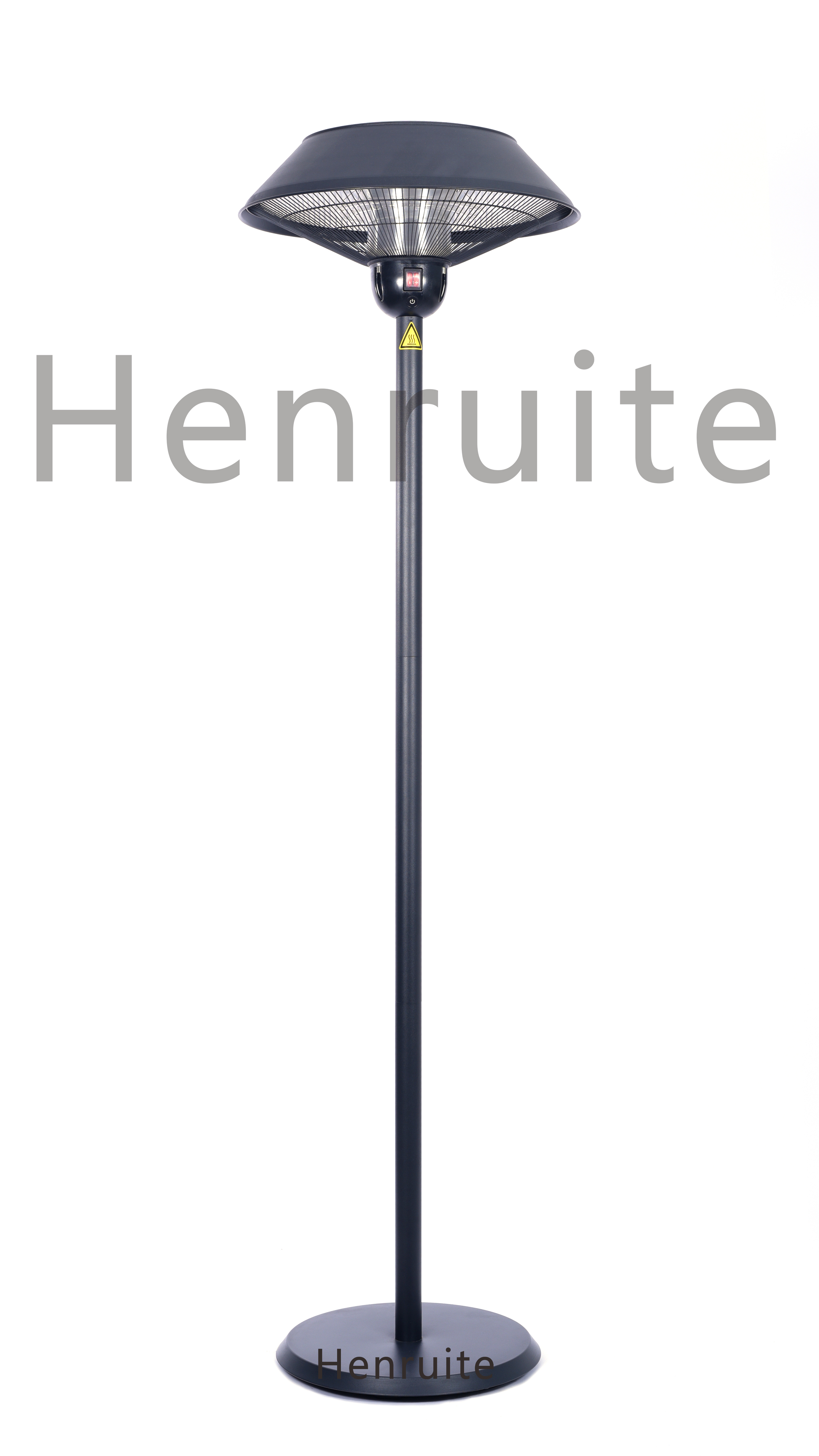
Keeping Your Bathroom Infrared Heater from Becoming a Hazard
Putting an infrared heater in a bathroom takes more than just slapping a waterproof cover on it. When you’ve got steam everywhere and water splashing around, electricity gets jumpy. To actually hit that IP66 safety rating, we spend most of our time obsessing over where the heating element meets the power supply. That’s where things usually go wrong.
Closing the Gaps
Here’s the thing: moisture loves to conduct electricity. To stop that, we use high-grade quartz glass tubes and ceramic end-caps to keep the tungsten filament totally isolated. But the real secret is the seal. We use silicone gaskets and heat-shrink insulation at the terminals. Why? Because water vapor is sneaky. It finds the smallest crack and creeps right into the electrical contacts. If that seal gives way, you get arcing. That’s the sound of your lamp burning out or your GFCI breaker tripping instantly. To keep things cool and dry, we wrap everything in powder-coated aluminum. It pulls the heat away while keeping the wiring safe.
The Tug-of-War Between Heat and Water
Waterproofing is a bit of a paradox. When you seal something tight to keep water out, you’re also trapping heat inside. If you’re not careful, the internal temperature spikes. We have to balance that tight seal with the fact that metal expands when it gets hot. That’s why we use flexible conduits for the wiring. It gives the cables some breathing room so they don’t just snap when the housing expands under a heavy load. And a quick heads-up: IP66 protects you from water jets, but it can’t stop condensation from forming inside if you’re flicking the heater on and off in a cold, damp room. Just make sure your installer adds a proper drip loop in the wiring. It stops water from running straight down the cable and into your junction box.
Getting the Install Right
Don’t cut corners here. Use moisture-resistant cables and give the heater its own dedicated circuit breaker. These lamps pull a lot of current. If you use cheap, standard plastic insulation, the heat at the connection point will eventually eat through it. Stick with high-temperature rated terminals. It’s a small detail, but it’s the difference between a cozy bathroom and a melted housing.