Step outside on a chilly evening and the air bites. Hit the switch on an infrared heater, and the warmth hits almost before your breath settles. That immediate comfort isn’t magic. It’s just physics doing its job.
What matters under the hood
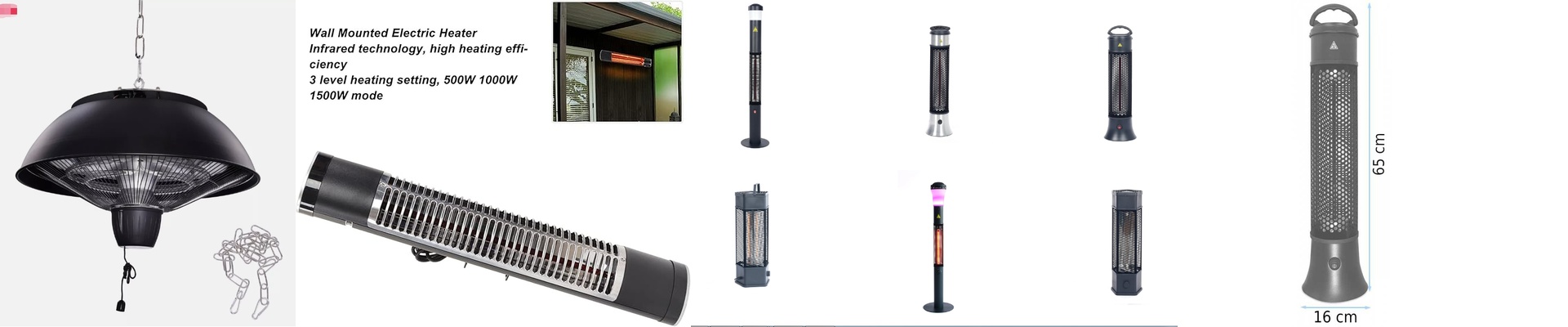
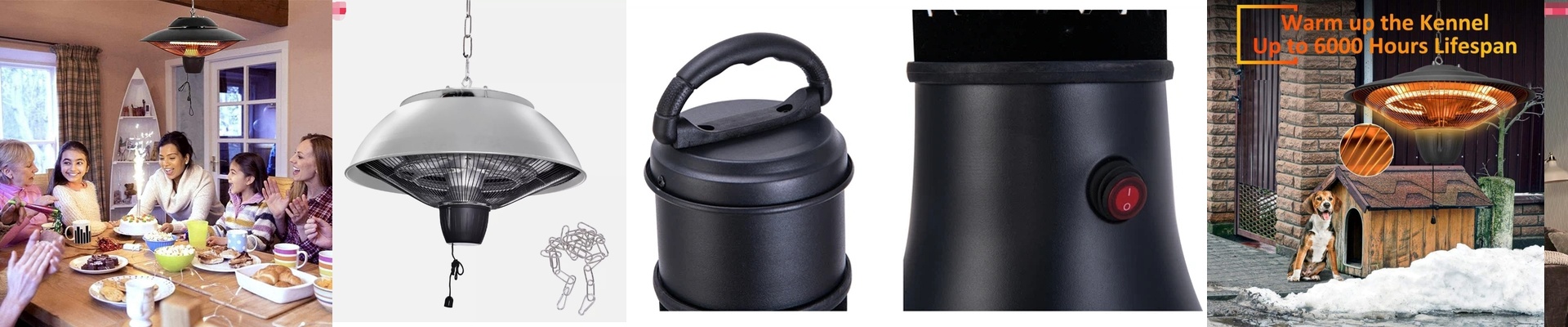
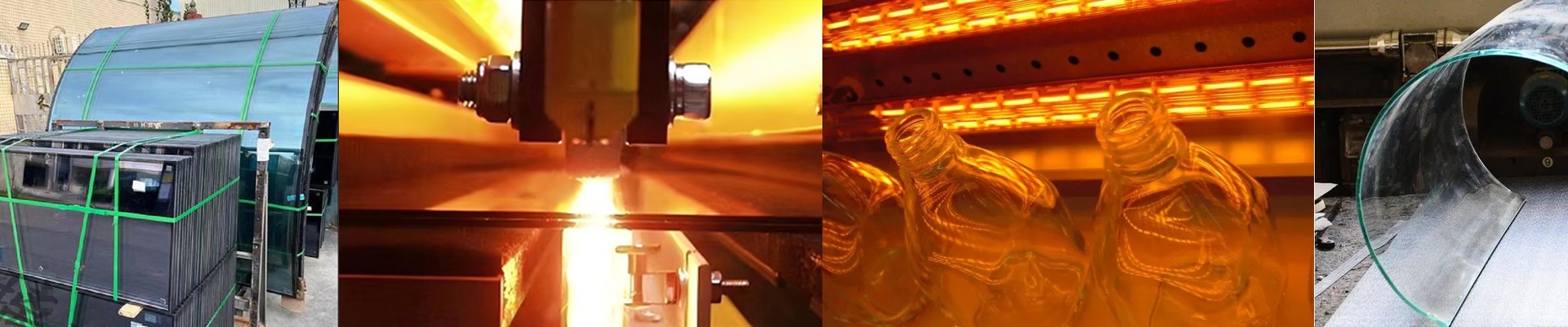
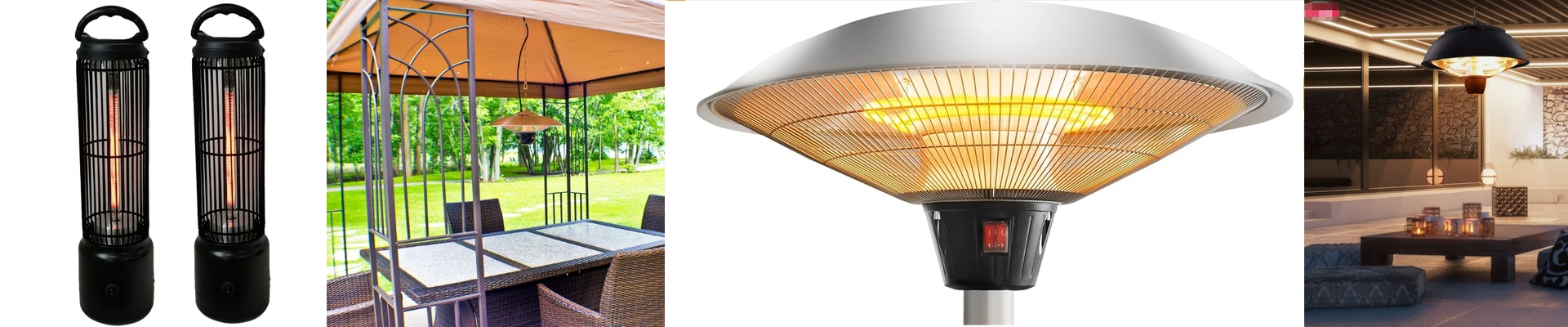
Infrared heaters warm objects and people directly, not the air around them. A carbon fiber or quartz element gets up to operating temperature in seconds, then throws radiant heat outward at the speed of light. You feel it as a sun-like warmth on your skin—no noisy fan, no dusty drafts. Many models run off a standard 120V outlet, pull 1,500W, and cover patios, sunrooms, or covered decks up to 150 square feet. Add Wi-Fi and Alexa compatibility, and you can tweak setpoints, schedules, and power with a voice command or a quick tap in the app. Safety is built in too: tip-over protection shuts the unit off if it gets knocked, and the protective grill keeps curious hands away from the hot bits.
Why this works on the patio
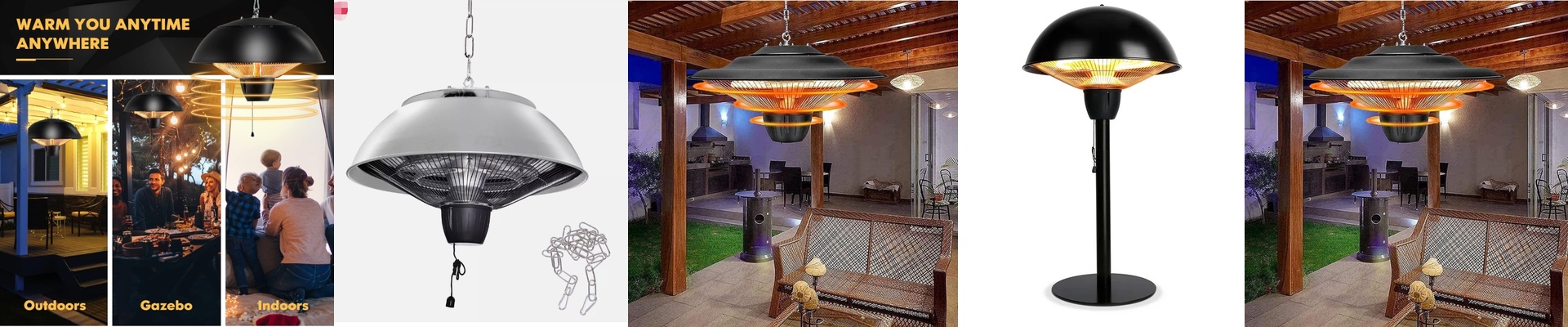
The patio problem is simple: cold air kills the vibe. A conventional heater takes its time warming the space, and by then, people have already headed inside. Infrared flips the script. You feel the warmth within seconds, so you stay out longer—reading, chatting, or watching the stars. Because the heat targets people and furniture, you aren’t wasting energy heating empty air. That direct transfer often translates to lower running costs compared to trying to force-heat the whole yard. With Alexa control, you can set the heater to come on before you step out, preheating your corner of the yard without lifting a finger.
The things you actually need to keep in mind
Infrared is directional, so point the unit at the seating, not just the floor. For comfort, aim it slightly off-center to avoid hot spots. These heaters shine in sheltered outdoor spots; they’re weather-resistant, but wind and heavy rain cut into effectiveness, so a covered area helps. Installation is straightforward on plug-in models, but you still need a dedicated outlet on a properly rated circuit. And keep the heater at least three feet from combustibles—always follow the clearances listed on the label.