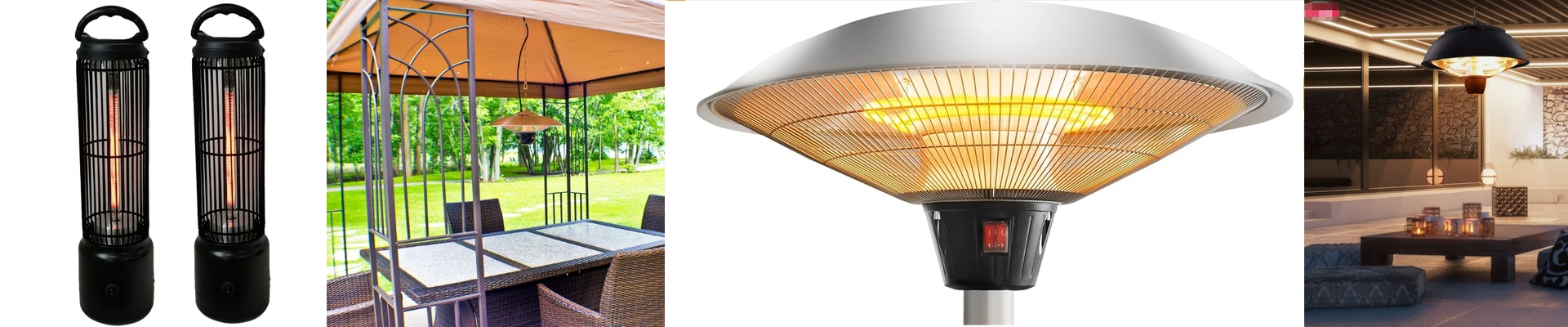
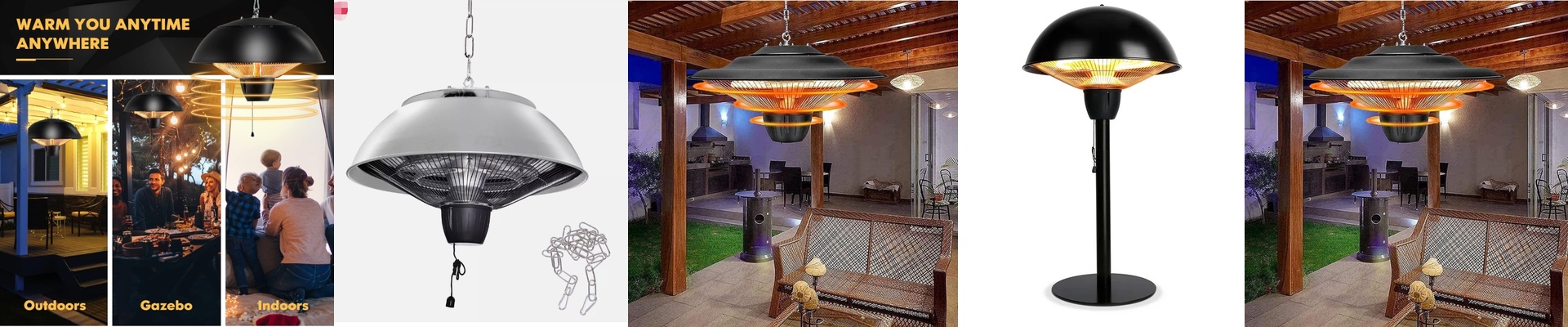
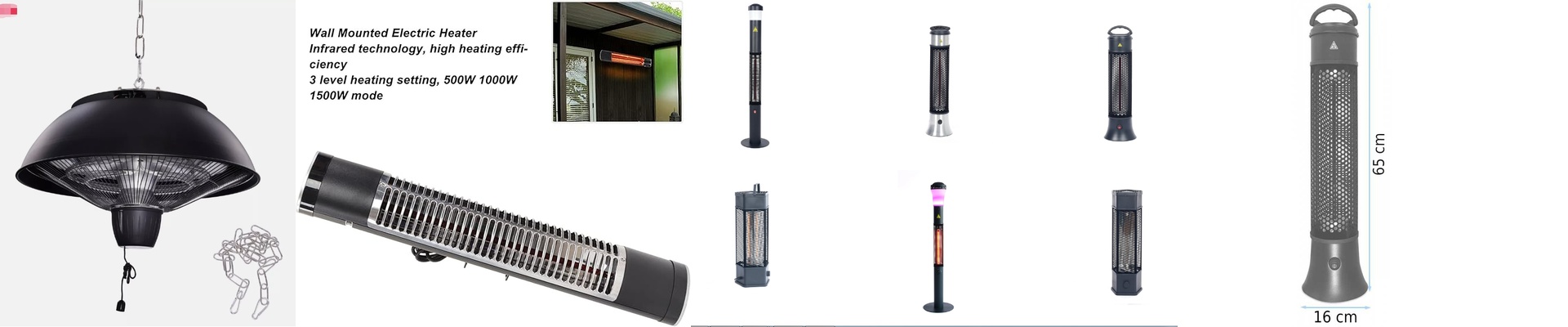
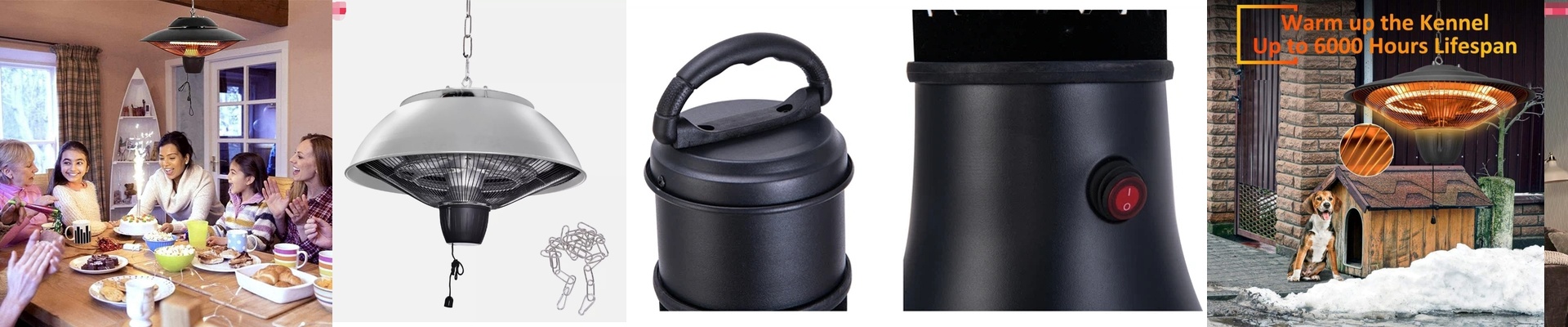
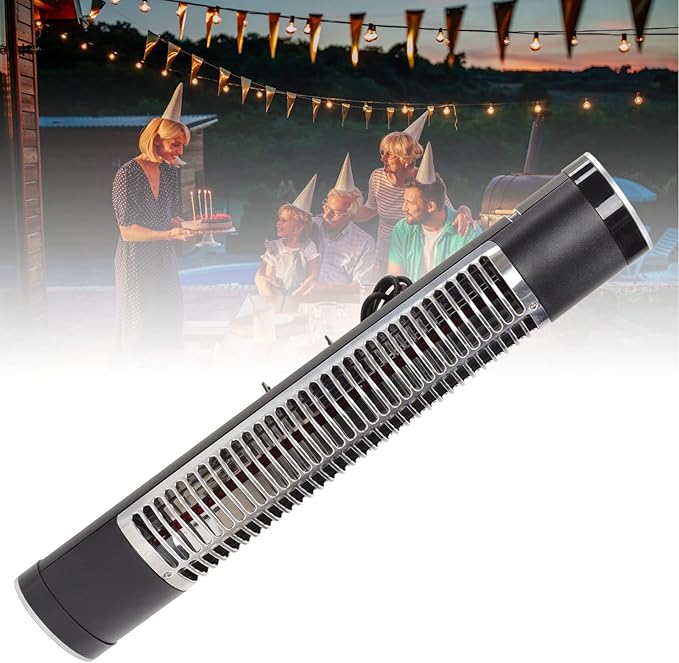
When the temperature drops, your crew can’t sit around waiting for the space to warm up. On the warehouse floor, every minute spent shivering is lost productivity and a hit to morale. Forced-air systems drag their feet, taking ages to kick in, which leaves people standing in the cold. Infrared warehouse heaters flip that script. They throw radiant warmth the second you flip the switch, so comfort is immediate—no preheat delay. What’s actually going on under the hood Infrared warehouse heaters work with direct radiant heat. They warm people, pallets, and equipment first, not the air around them. We lean on high-output quartz tubes or carbon fiber elements that hit operating temperature in seconds, not minutes. The payoff is an instant, natural warmth that feels even. Add a straightforward thermostat and the unit cycles to hold steady comfort, while keeping energy focused where it matters. Built-in safety—tip-over protection and overheat cut-offs—keeps things steady, even in busy aisles. Why it fits the warehouse environment In a warehouse, comfort comes down to speed and coverage. With infrared, warmth shows up on demand, so loading docks, staging areas, and maintenance bays stay ready to work. People feel the difference right away—less stiffness, sharper focus, and fewer cold-induced slowdowns. Because the heat is directional and efficient, you can spot-warm specific zones instead of heating the whole volume, which helps keep energy costs in line. The warmth also feels more consistent, since it doesn’t rely on air movement that stirs up dust and drafts. The practical details you need Infrared heat does its best work when the heater has a clear line of sight to the people and gear that need warmth. Tall racking or walls can throw shadows, so placement matters. For full-space comfort, you may need multiple units or supplemental air-side heating in very large, open areas. Installation is straightforward—typically hardwired to dedicated circuits—and we match the unit’s power rating to the space’s square footage and ceiling height to keep coverage balanced.