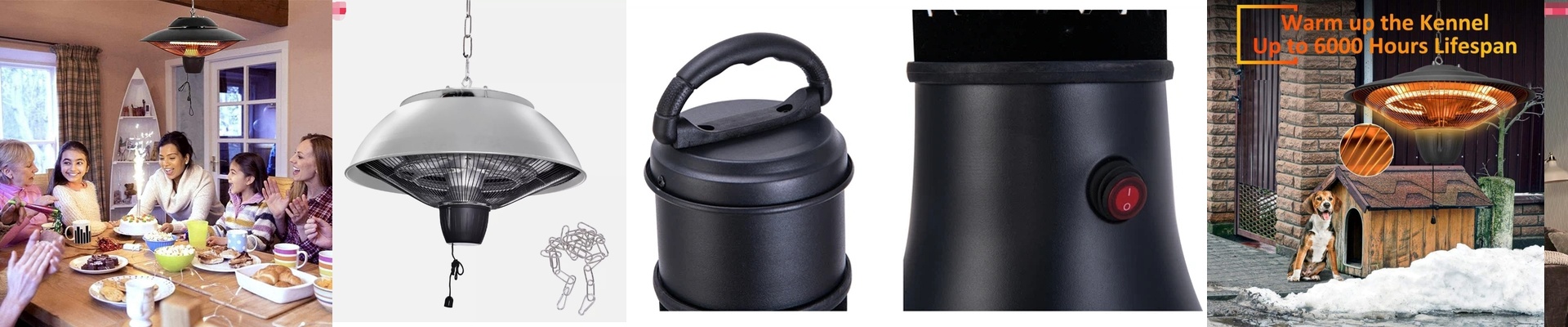
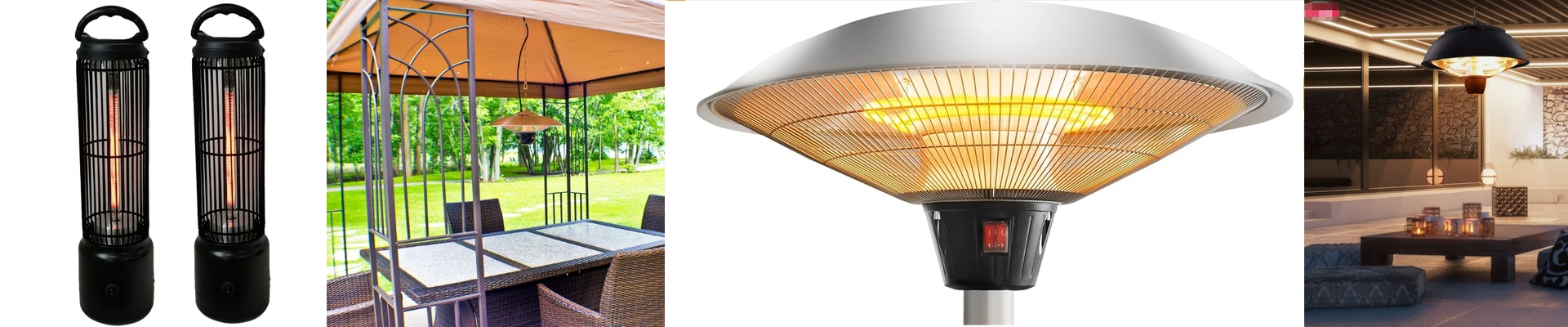
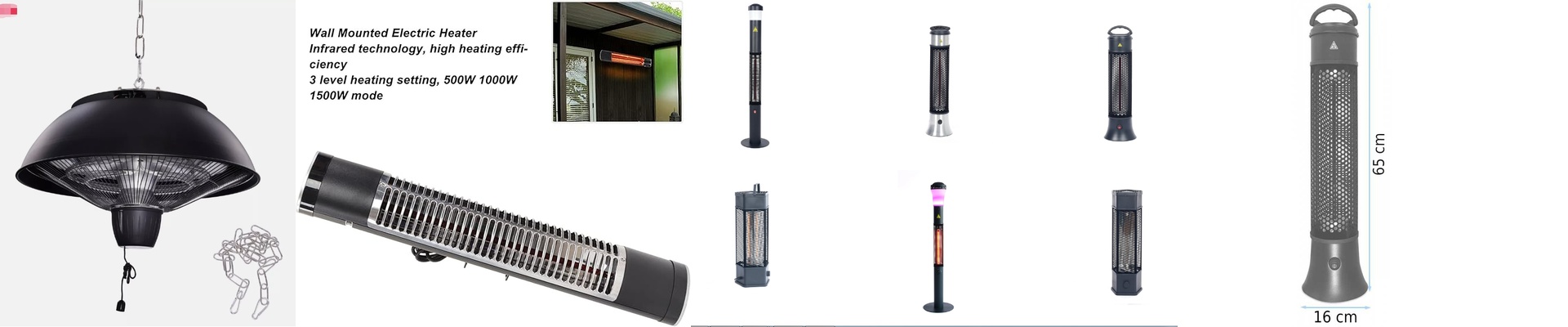
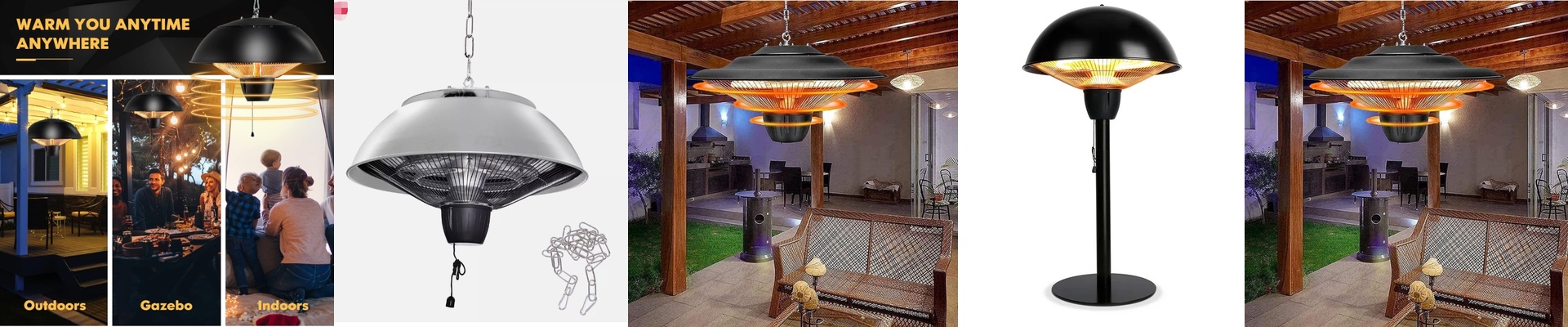
An open-air restaurant runs on comfort. When the temperature dips, tables sit empty, staff crowd near the door, and evening service falls apart. Forced-air heaters just churn wind and noise, throwing energy at the air instead of at the people who need the warmth. A radiant panel heater flips that equation. It puts out infrared warmth that travels in straight lines, heating bodies and surfaces directly. The result is quiet, steady heat that makes outdoor seating feel welcoming again.
What matters under the hood
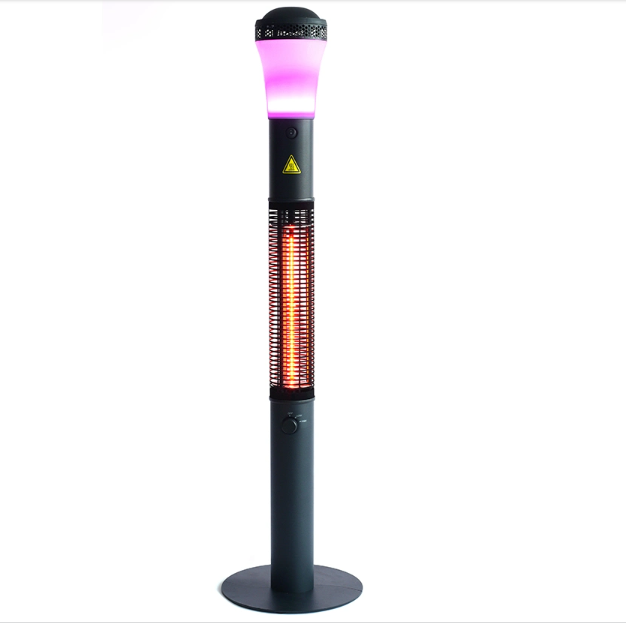
We built this radiant panel around a long-life carbon fiber element. It heats up fast and spreads temperature evenly across the surface. Guests feel the infrared warmth almost as soon as you switch it on, because the panel hits full output within seconds. The output is rated for commercial patio use, and you can dial the power to match occupancy. No fan means no fan noise, and the front stays touch-safe behind a protective grille. For outdoor reliability, it’s engineered to an IP rating that shrugs off rain and splashes, and it has tip-over protection that shuts the unit down if it gets knocked. Controls stay simple: an on/off switch, plus an optional thermostat if you want consistent comfort without constantly adjusting.
Why this works in an open-air setup
In an open-air restaurant, comfort equals capacity. With radiant infrared heat, guests feel warmth right at table level, without the drafty swirl you get from forced air. Tables fill faster, stays run longer, and turnover stays steady because people are comfortable staying seated. That means higher winter revenue, without tearing up the layout. The heat is directional, so you aim it where people sit, not up into the sky. Energy goes where it matters, and maintenance stays easy—no filters to swap, no moving parts to wear out.
The practical details you’ll want to get right
Plan clearance and mounting height so the warmth is even and you don’t create hot spots. For the best coverage, run multiple panels and overlap the warmth zones across different tables. Infrared heats surfaces first, so if you’re in a very windy spot, you may need a little shielding to keep the heat where you want it. Installation is straightforward on a standard electrical circuit, but bring in a licensed electrician to make sure the wiring and protection meet local codes.