Under-Desk Heat, Built for the Real World
We built this under-desk infrared heater with one simple idea in mind: fix what breaks, don’t toss the whole thing. The big question we kept coming back to was, “How do we make the heating part replaceable, not permanent?” So we made it modular. That means when something needs attention, a technician can swap out the heating tube in minutes—not hours—even after this unit has been running for years.
Power, Size, and the Realities of Heat
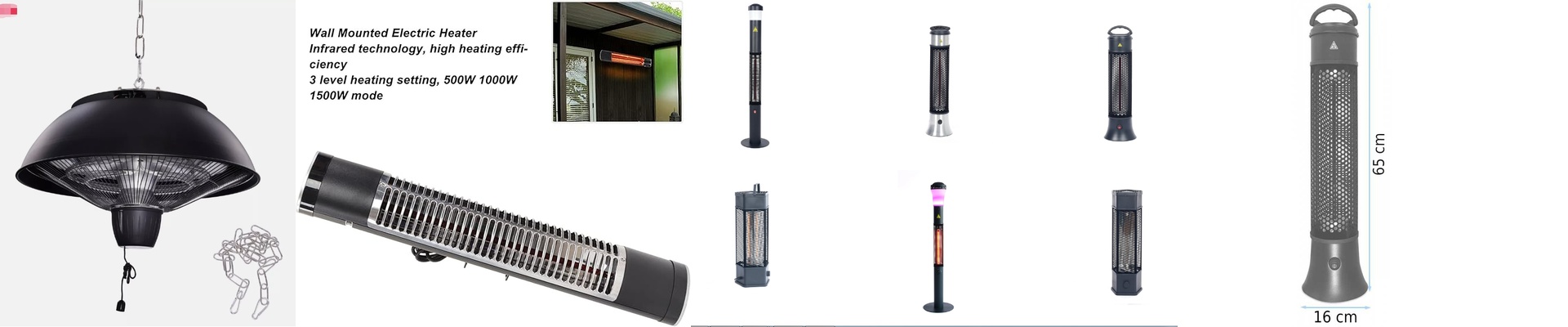
This heater runs on an infrared tube that packs a lot of warmth into a small footprint. It’s shaped to slip into tight under-desk spots while still putting out enough heat to keep a work area comfortable. It runs on standard industrial voltage, and because it’s powerful, it needs its own dedicated circuit. That power also means it heats up fast, and that warmth has to go somewhere. So you’ll want to make sure the desk or cabinet has enough ventilation to keep things from getting too hot around the edges.
The Modular Trick: Swapping, Not Rewiring
Here’s the part that makes maintenance painless. The heating tube connects with a simple plug—not a tangle of wires. So when a tube finally gives up, you don’t have to rewire anything. Just unplug the old one. Pop in the new one. Done. The connectors are built to handle being used over and over again, so you don’t have to worry about them getting loose or unreliable. It turns a service call into a quick swap, which means less downtime and less hassle.
Where It Shines (and What to Keep in Mind)
Space under a desk is always tight, and getting in there to work on things can be a pain. Our design keeps the unit compact and makes the service points easy to reach. The infrared element warms the person, not the whole room. That’s great if you’re in a drafty office or a workshop where the air keeps moving. The trade-off is that the heat is directional, so where you place it matters. If you need to warm a whole room, this isn’t the right tool. But if you want a unit that keeps legs and feet cozy—and can be serviced in minutes after years of use—this is exactly what we built.