
Introduction
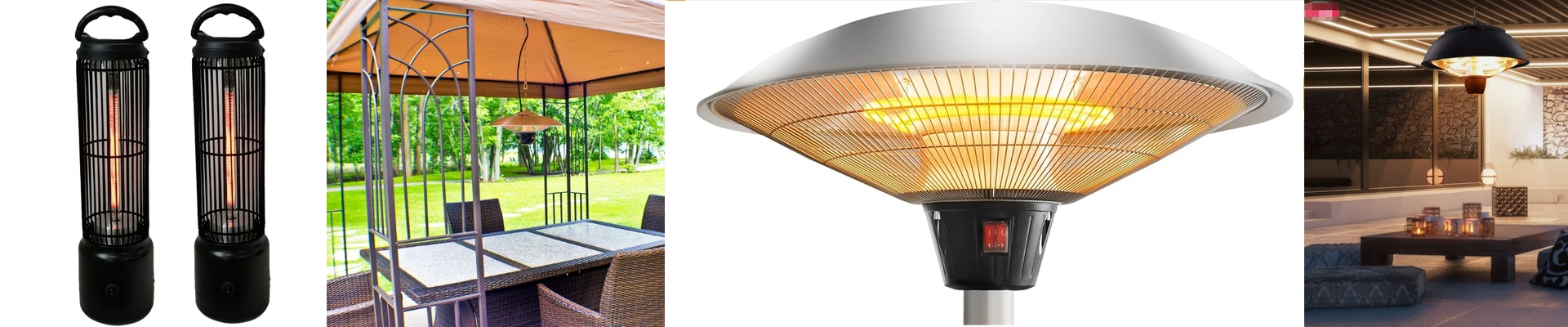
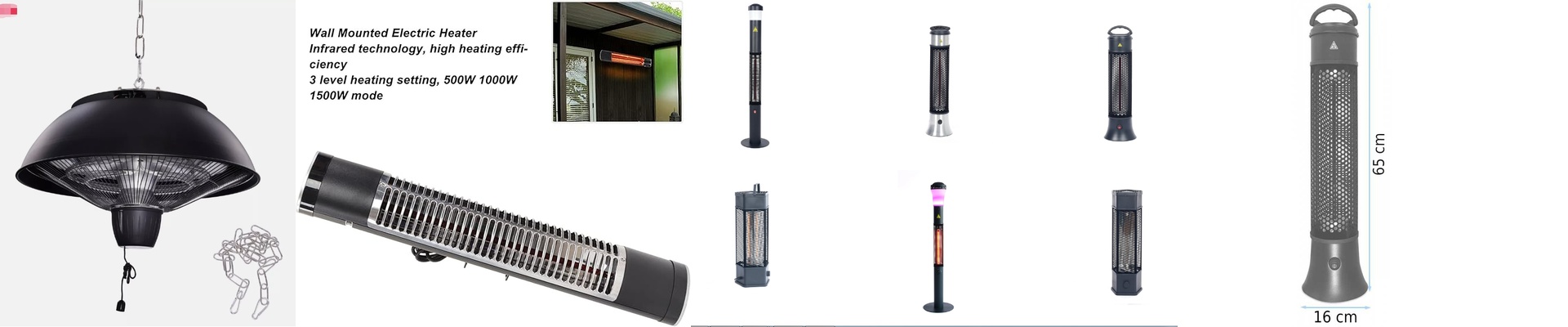
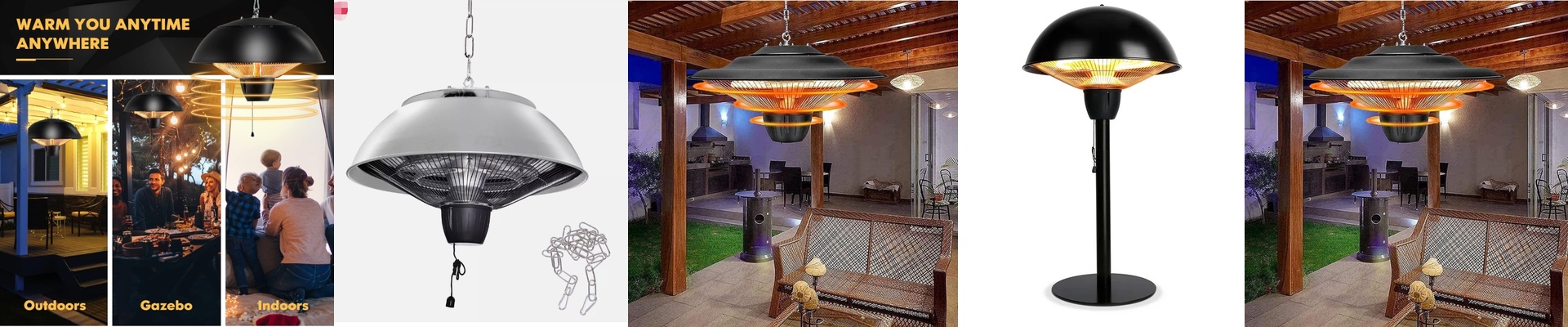
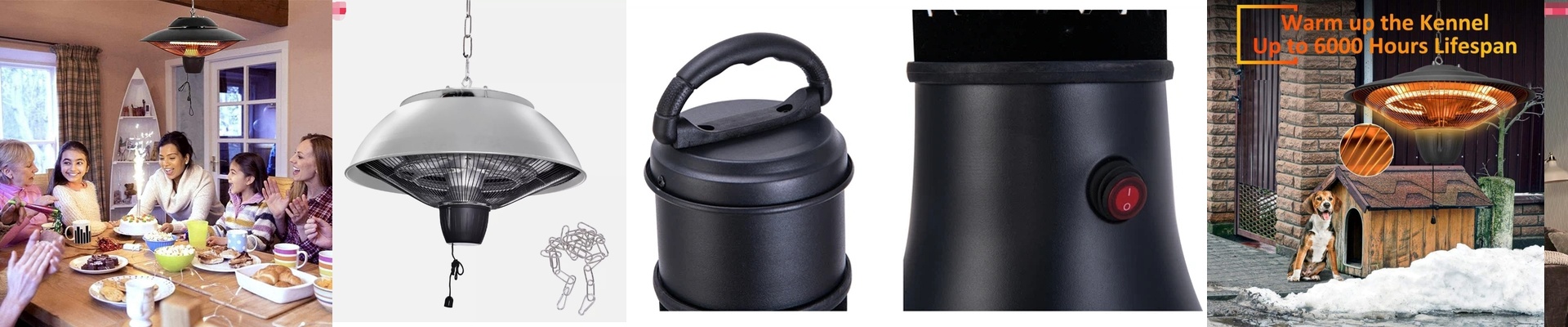
We build carbon fiber outdoor heaters for the places that play for keeps—where the weather is rough and you absolutely can’t afford to have things fail. These are infrared heaters, designed to give you focused warmth with zero moving parts. And honestly, the whole thing hinges on one tiny detail that most folks just gloss over: the lead-wire seal.
Let’s Talk Power, Voltage, and Shape
With infrared heating, it’s all about power density and a response you can control. You can tailor a carbon fiber element to the exact voltage and wattage your space needs. The shape—the tube’s length and diameter—simply sets the pattern of the warmth and how the unit mounts up. Running hot is just what these things do. The internal resistance fires up fast, and the outer surface gets seriously toasty. That heat travels along the conductors and piles up right at the seal, where the hot inside meets the cooler wires outside. If the seal can’t handle that thermal pressure, the insulation and connections start to age fast.
The Secret: A Seal That’s Actually Sealed
Carbon fiber infrared heaters need a hermetic seal where the lead wire enters. We use a ceramic-to-metal interface, bonded with glass or brazed, to keep the inside isolated from moisture and grime. This isn’t some rubber grommet. It’s a solid, inorganic barrier that stays rock-steady, even as the heater cycles on and off. It also has to stand up to real-world abuse. Vibration, wind, and the constant push and pull of thermal expansion will loosen a weak connection over time. Our hermetic design locks the conductor in place, so there’s no micro-movement that could crack the insulation. Here’s the trade-off: yes, hermetic sealing adds steps and cost. But it’s the only way to stop the failures you know are coming in a heater that runs hot, day after day.
Why This Matters Outdoors (and for Peace of Mind)
Outdoor installations mean your heater is at the mercy of rain, condensation, dust, and wild temperature swings. Without a proper hermetic seal, moisture follows the wire straight into the hot zone. That leads to tracking across the insulation, speeds up oxidation, and can cause shorts between conductors or to ground. For you, the upside is simple: uptime. You can spec the heater for the voltage and wattage you need, fit it into the space you have, and wire it without a bunch of complicated field protection. The seal keeps the internal junction dry and stable, so the heater just does its job, predictably, for the long haul. If you’re heating outdoors, you can’t gamble on the weakest link. Go with a carbon fiber heater that has a true hermetic lead-wire seal. When the heat is on, that seal is what keeps everything working as it should.