



Making Your Outdoor Heaters Actually Smart
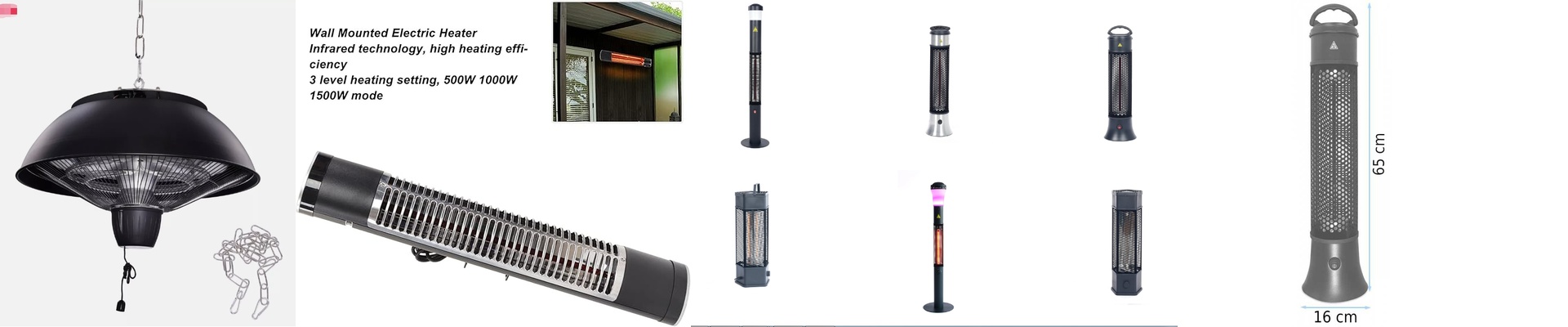
If you’re putting heaters outside, you’ve got to deal with the elements. Rain, wind, and dust don’t play nice with electronics. That’s why we build our infrared heaters to IP66 standards. In plain English? They can handle a heavy downpour or a high-pressure spray without skipping a beat. It’s a must-have if you don’t want your investment turning into a giant paperweight after the first storm. Instant warmth. No waiting. Ever notice how some heaters take forever to actually make you feel warm? That’s because they’re trying to heat the air around you—which is pointless outdoors because the wind just blows the heat away. Our units do things differently. They use short-wave infrared radiation, which means the heat goes straight to you. You flip the switch, and boom. You feel it instantly. It’s like stepping from a freezing winter morning straight into a spring afternoon in a matter of milliseconds. Getting them to “talk” to your home Now, the fun part: making them smart. To get these working with your home system, we use IoT relays or Zigbee/Matter controllers. You aren’t just toggling a light switch here; you’re telling a digital gateway to trigger a high-power circuit. But here’s the thing—these units are thirsty for power. Depending on the wattage, you’re looking at a 230V or 400V feed. A 2kW unit pulls a lot of current. **A quick tip on the wiring:**make sure your breakers and cables are up to the task. We always suggest heavy-duty shielded cabling. It keeps the power flow steady and stops the electrical noise from messing with your Wi-Fi or smart hub signals. The engineering reality There’s a trade-off with that IP66 sealing. Since the unit is sealed tight to keep water out, the heat can get trapped inside the casing. To fix this, we added oversized aluminum heat sinks to pull that heat away from the guts of the machine. Just a heads-up: don’t cram these into a tiny, enclosed corner with zero airflow. If the unit can’t breathe, the thermal cutout will kick in and shut everything down so the circuitry doesn’t fry. Once it’s wired up to your hub and your schedules are set, you can pretty much forget about it. Just double-check that your electrical panel can handle the load when three or four of these kick in at the same time.